You Can’t Heal In A Masculine World
Why burnout, disconnection, and overdrive are spiritual symptoms
Article · 5 min read · ·
We live in a world that is, quite literally, burning with ambition. Every day, we are told to strive. To do more. To chase growth, performance, optimisation, as if our worth is measurable by the pace at which we move. We are praised for our hustle, rewarded for our assertiveness, and validated for our productivity. But beneath all this forward momentum lies the question:
What are we sacrificing in the name of constant doing?
In Taoist thought, yang is the active, expressive, outward force. The sun, the sword, the structure. It is the fire that builds, that conquers, that commands. Its counterpart, yin, is the receptive, intuitive, inward force. The moon, the vessel, the void. It is the water that nourishes, that reflects, that holds. Together, they form a whole. A dynamic tension. A sacred dance.
But the dance has fallen out of rhythm.
What we are experiencing today is a world shaped by masculine energy. We are drowning in imbalanced masculinity. Yang in overdrive. And anything, even a life-giving fire, when left unchecked, becomes destructive.
The qualities we often associate with the “masculine” – ambition, willpower, control, logic, dominance – are not inherently wrong. But in excess, they calcify. They become aggression, exploitation, disconnection, burnout. In the absence of yin, the system grows brittle. Without the softness of surrender, the flow of feeling, the nourishment of slowness, the structure will eventually collapse under its own weight.
This energetic imbalance becomes the blueprint that shapes our systems, our economies, our institutions, even our spiritual practices. A world in masculine overdrive builds systems obsessed with hierarchy, extraction, control. We see it in capitalism’s endless hunger for growth. In the glorification of grind culture. In the way empathy is often seen as a liability, and care work is dismissed as invisible.
The imbalance is everywhere. In our nine-to-five calendars, in healthcare systems that silence pain, in education models that reward conformity over creativity. Even activism, at times, mimics the very structures it seeks to dismantle: loud, relentless, driven by urgency but divorced from inner coherence. This is not the fault of masculinity. But it is the result of severing it from its counterpart.
And this is not just a collective pattern. It also is deeply personal.
“Feminine” does not mean fragile. Nor is it limited to being nurturing, emotional, or adorned in soft pinks. When we speak of getting in touch with our feminine side, we are not asking for passivity. We are not romanticising submission. And we are certainly not reinforcing old stereotypes about gender roles or appearances.
Feminine energy, in its sacred essence, is wild and wise. It is the force of gestation, of mystery, of the unseen. It is the ocean. Vast, cyclical, sometimes stormy, sometimes still, but always alive with depth. It is intuition that pulses before logic can explain. It is presence without performance. It is the capacity to hold contradictions, to weave meaning from complexity, to create without needing to control.
In today’s world, to return to the feminine is to root. It means learning to listen more deeply than we speak. To honour what is felt even when it cannot be measured. To trust in the fertile darkness of not knowing, of not rushing clarity. To value process over product. Connection over conquest. To create from love, not lack.
These are not traits assigned to women. These are qualities that live in all of us, men, women, beyond, and in-between. They are archetypal forces, not gender prescriptions. And when they are denied, we lose something essential. We grow dry, mechanical, and brittle. We forget how to feel. We forget how to be.
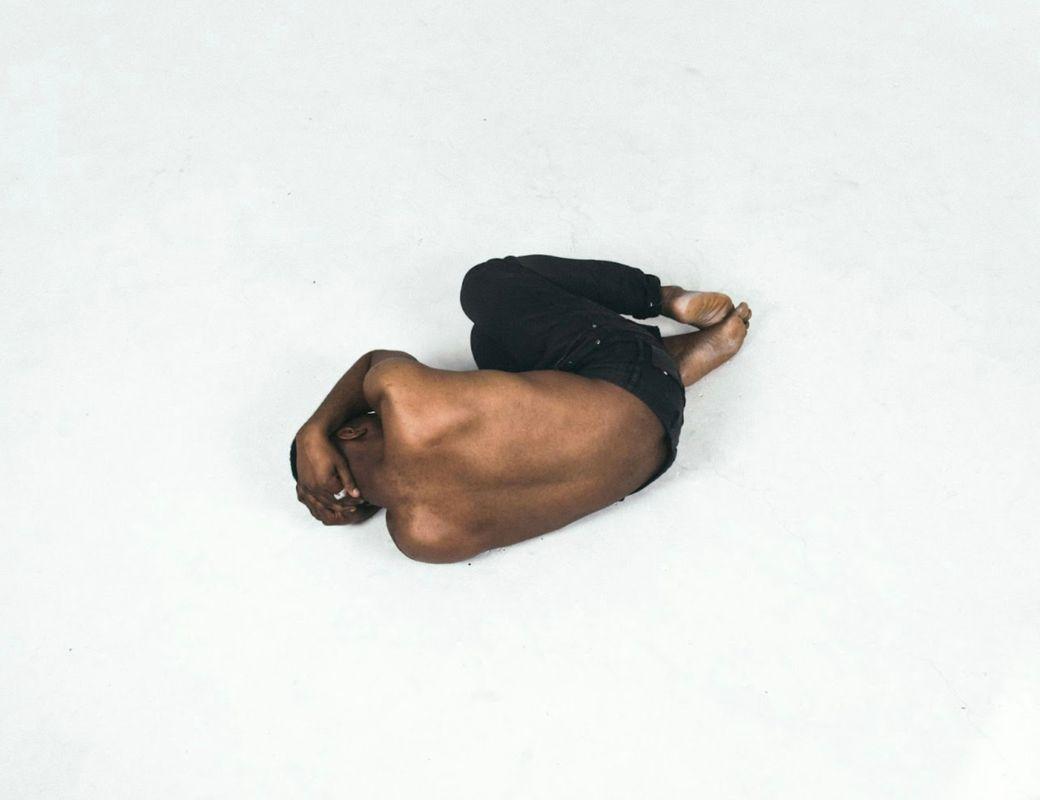
And perhaps this is why so many of us are unwell – physically, spiritually, emotionally. We are exhausted from performing strength. Starved of softness. Desperate to rest, but unable to allow it. The world has made us feel that stillness is laziness, that slowness is failure. But healing does not happen in overdrive. Healing happens in the pause. In the exhale. In the quiet return to the body.
Yin wisdom is not loud. It is not found in metrics or milestones. It lives in the liminal. In dreams. In tenderness. In the body’s knowing. It reminds us that we are not machines to be optimised but ecosystems to be tended. And just like the earth, we need seasons. We need sleep. We need space to feel without fixing.
How many of us feel ashamed when we need rest? How often do we silence our intuition because it’s “irrational”? How long have we been taught that softness is weakness, that gentleness is naïve, that yielding means defeat?
This is not about men vs. women. This is not about reclaiming femininity at the expense of masculinity. It’s about integration. It’s about remembering that we all carry both, and that healing begins when we stop waging war between the two. When the yin is honoured again as a sacred equal, something shifts. In the body. In the psyche. In the world. We can begin to value the pause as much as the push. We remember that intuition is also intelligence. We see that nurturing is just as vital as achieving.
Jung called it the coniunctio, the inner marriage of opposites. In alchemy, it is the sacred union of sun and moon, king and queen. In us, the sacred marriage of feminine and masculine is where stillness meets spark, where the womb welcomes the seed, where the heart gives direction to the hand.
The world does not need more unchecked ambition. It needs wise direction. It needs softness that can hold complexity, and strength that does not need to dominate. And that begins with us, not just by calling out the imbalance out there, but healing the one within.
To return to wholeness is not a utopian ideal. It is not something we wait for the world to offer us. It is a practice. A choice. A quiet act of rebellion. To rest. To soften. To feel. To let the heart lead, even when the world worships the mind. Because only when we bring yin back into rhythm with yang, in the way we live, love, work, and heal, can the world begin to breathe again.
And maybe, just maybe, so can we.
Comments