Food? Or anxiety?
Bloating in the pit of your stomach? It could be anxiety.
Article · 5 min read · ·
I'm going to tell you something that has been with me my whole life and that now, at 22, I finally understand haha.
Since I was little, I felt a constant bloating right in my upper abdomen, below my breasts. Sometimes it was pressure, other times it was just discomfort... but it was always there.
The funny thing is, it had nothing to do with what I ate. I could have had a light breakfast, been fasting, or been eating well for days... and that bloating was still there. It wasn't stomach pain, or gas, or "I overate." It was something else, but I didn't know what. For years, I thought it was normal, that "I was just like that." No one ever explained it to me. Not doctors, not teachers, not my friends. It was normal.
And a couple of years ago, one day while watching videos, I saw one that said something like:
"Bloating in the pit of my stomach? Could be anxiety."
And it was like... excuse me? I watched the whole thing. Then another. And another. And that's when I began to understand: my condition wasn't just physical. It was stress. Accumulated anxiety. And no one had told me that.
That feeling of being bloated, when there's no food to justify it, is often not a digestive issue. It's the body expressing tension, nerves, emotions we don't even know we're carrying inside.
It's as if that part of the abdomen were the storehouse of everything we haven't digested emotionally. The hardest thing was realizing that I came to that conclusion on my own. That for years I experienced it as something that was my own, as a strange thing, when in reality it's something that happens to a lot of people.
But no one talks about it. And if they do, it usually doesn't go beyond "try probiotics" or "it must be the gluten."
And be careful, of course, diet plays a role, but so does the pace of life, our worries, what we keep quiet, what we swallow (literally and emotionally). Since I understood this, I look at myself with more compassion. I still have days when that bloating appears, but I don't get angry at my body anymore. Now I listen to it. Because often, that "weird tummy" is just your body's way of asking for a little calm. And if you've felt it too, if you've been wondering for a while why you feel bloated for no apparent reason, maybe it's not just what you eat. Maybe it's what you're carrying.
You're not exaggerating; you're just feeling something you haven't been taught to identify.
And that's why I'm telling you. Because if I had received this information sooner, it would have saved me years of frustration.
And what can you do to improve that emotional swelling?
There's no magic formula (I wish there were), but there are small things that help a lot. I'm sharing what's helped me, based on the recommendations of doctors, psychologists, and experts in digestive and nervous system health. And, above all, things you can start today:
🌬️Diaphragmatic (or abdominal) breathing
When we're stressed, we tend to breathe shallowly, only with the upper part of our chest. But when we breathe from the diaphragm (inflating our belly as we inhale), we activate the parasympathetic nervous system, which calms the body.
- Do this 5 minutes a day:
Inhale through your nose for 4 seconds, filling your abdomen (not your chest). Hold for 2 seconds.
Exhale slowly through your mouth for 6 seconds.
Repeat.
This helps calm the stress response and improves digestion.
📚 Supported by studies published in the Journal of Clinical Psychology and Harvard Health Publishing.
🧘♀️Gentle, mindful movement (such as yoga or walking)
The body needs movement to "release" tension.
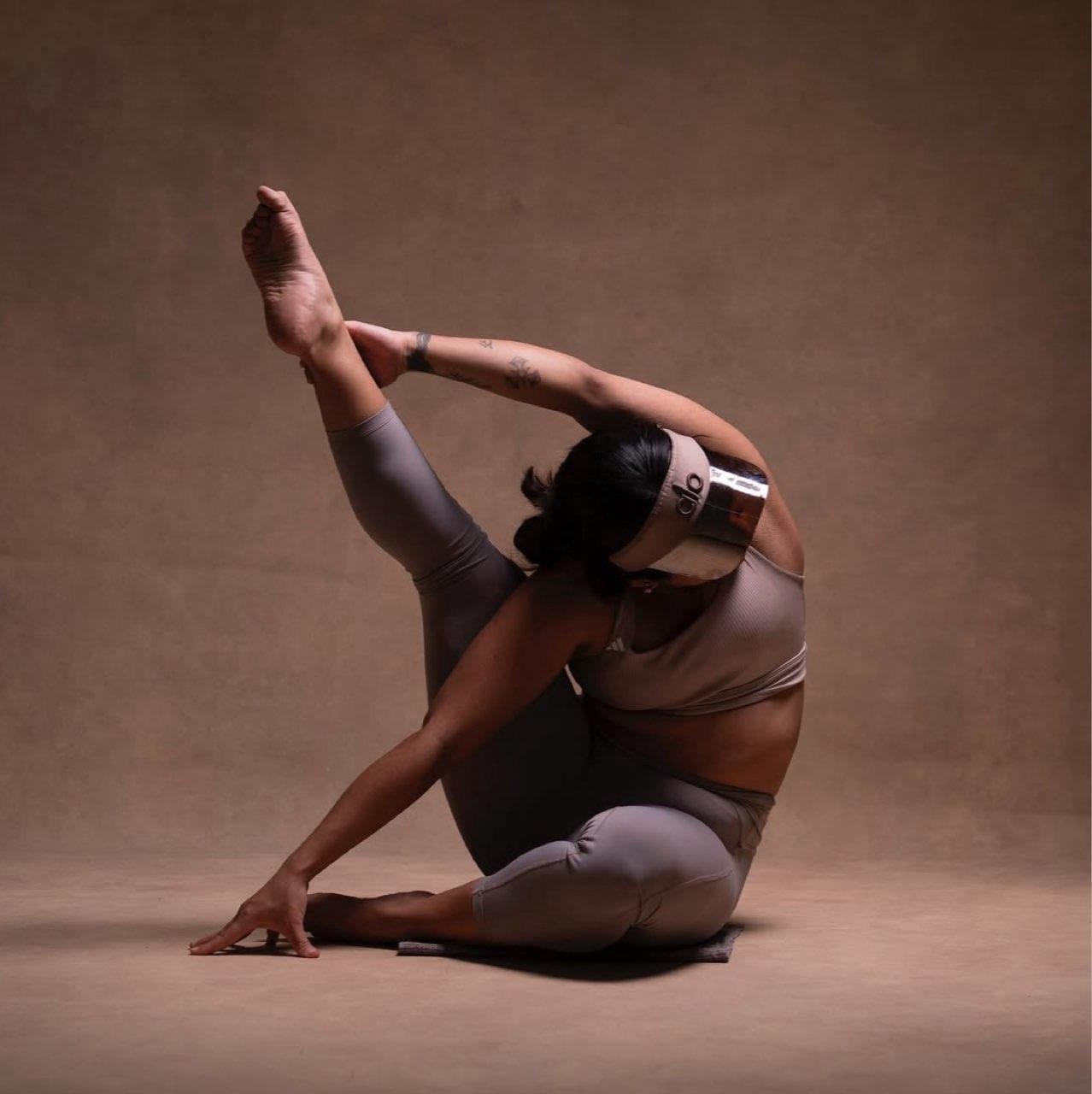
Practicing gentle yoga (especially twists, abdominal stretches, and guided breathing) or walking briskly for 20-30 minutes a day can improve bowel movement and reduce stress-related inflammation. Restorative yoga or the first series of Ashtanga (gentle) are ideal.
📚 Recommended by the American Gastroenterological Association and NIH studies on the gut-brain axis.
🕯️Reduce “mental noise”
It's not easy, but it's worth it.
Practices like guided meditation, journaling (writing down what you're feeling), or simply disconnecting from your phone for 15 minutes each day can lower cortisol levels (the stress hormone), which directly impacts abdominal inflammation. Putting on some calming music, closing your eyes, and breathing is a good start.
📚 Supported by Mindfulness-Based Stress Reduction (MBSR) studies and publications from Massachusetts General Hospital.
🧂Eat slowly and with presence
This seems obvious, but we do it badly. Eating while standing, using your phone, without chewing well, is like telling your body to "Hurry up, survive!" And it can't digest properly. Take at least 20 minutes to eat. Chew well and breathe between bites. Your stomach will thank you very much.
📚 Studies from Oxford University and Harvard link it with improved digestion and reduced bloating.
✨ Listen to yourself without judging
Inflammation isn't always physical. Sometimes it's emotional.
And giving yourself permission to feel, rest, say no, cry if you need to… is also part of medicine. Sometimes, what helps most isn't what we eat, but how we treat ourselves.
If you try any of these things, do it with love, not with demand.
Your body isn't broken. It just needs a little more attention and less struggle.
A kiss 🤍
Comments