A Pinch of Prosperity
The First-of-the-Month Cinnamon Ritual and the Folklore Behind It
Article · 10 min read · ·
A home is defined by its threshold, the point at which the outer world gives way to the life we have made inside. That may be the reason doorways have been regarded as more than a collection of wood, stone and hinges for generations.
Then there is the first day of the month and a new start. Some in the folk witchcraft tradition put on a very unadorned ritual. A pinch of cinnamon is taken, and, standing at the front door, the practitioner gently blows the spice into the house while voicing an intention for good fortune or protection. There are no costly ingredients or involved ceremonies: just the doorway, the cinnamon, and a fresh start.
But what is the provenance of this? Why cinnamon in particular? And what is the act of blowing it in meant to signify? To get at the heart of the ritual, we have to consider the history of the spice and the traditions that have grown around it.
Cinnamon: A Spice With an Extraordinary History
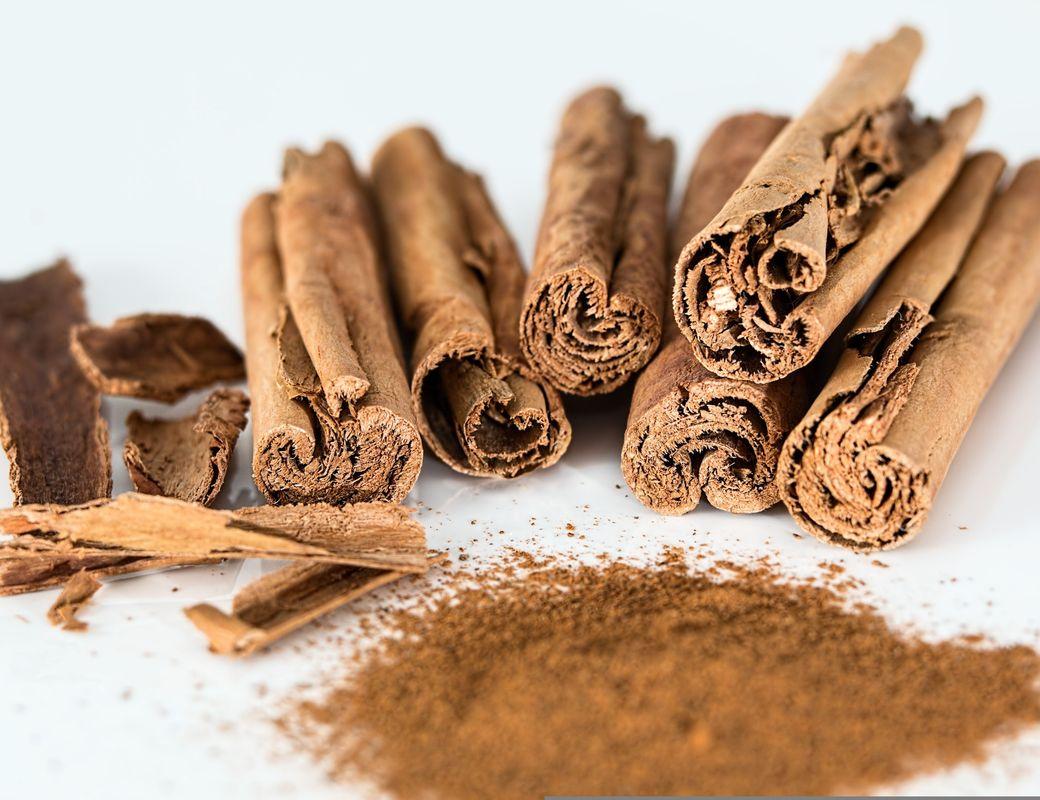
Before it was the stuff of autumn baking and holiday decor, cinnamon was among the most prized of traded spices. The real thing, Cinnamomum verum, is the inner bark of a tree from Sri Lanka and southern India. Its particular flavor and aroma were much sought after in the ancient world. It moved along the trade routes between South Asia, Europe and the Middle East for use in medicine, ceremony and as a fragrance. The Royal Botanic Gardens, Kew, have on record the spice’s commercial past, from the European trade to the Portuguese, who took hold of parts of the Sri Lankan market in the sixteenth century.[1] All of which lends some bulk to its present-day link with wealth. However, the link between its commercial value and its role in prosperity rituals is more an interpretation than a surefire account of how the doorway custom got started.
Where Did the First-of-the-Month Cinnamon Ritual Originate?
Here the history gets interesting. You will find many sites today calling the blowing of cinnamon through a door an old rite, attributing it to European folk magic or other spiritual practices. But a distinction should be made between the age of the spice and the ritual itself. There is nothing in the historical record to show that any ancient religion or civilization was doing this on the first of the month. What can be put on paper is its place in current folk belief. The Digital Folklore Archives at the University of Southern California has an entry titled "New Month Prosperity," in which an informant describes a monthly cinnamon ritual from his youth to bring abundance.[2] That is evidence of a living tradition, if not of its origins.
The practice is also well known in online spiritual circles, where variations are proposed. It is fairer to call it a modern folk practice making use of older notions of household blessings and prosperity than an unaltered ceremony from antiquity. This is not to say it is without meaning. Folk traditions are not static; they are shaped by those who carry them on.
Why Cinnamon?
In the hands of a contemporary folk witch, cinnamon stands for several things. For prosperity and abundance, it represents the means to run a household and to achieve material comfort. Its scent evokes food and domestic life, making it a natural emblem of warmth and hospitality. Some see in it the element of fire, a symbol of energy and resolve. It is also used in household blessings for protection. These are matters of spiritual correspondence, not science. One cannot prove that scattering the spice will put money in hand or change the future. Still, it is a useful monthly occasion to think on what prosperity is. It is not always monetary. It can be a quiet home, a healthy family, enough to eat, or a chance to start over.
Why the First Day of the Month?
It is a natural break in time: an ending and a beginning. The cinnamon ritual turns that into a chance to set one’s intentions for the coming weeks, a kind of symbolic renewal. A person might want to invite in financial opportunity, harmony at home, or gratitude for what is already there. The first of the month is a date one does not forget, and so the ritual becomes a steady part of a personal practice. There is something to be said for starting a month with purpose instead of letting the days go by.
The Cinnamon Doorway Ritual: How It Is Traditionally Practiced Today
The way it is done these days is straightforward.
What is Required
-
A small amount of ground cinnamon
-
The front door of your home
-
An intention for the month ahead
-
Some time for quiet thought
There is no need to seek out any particular kind of culinary cinnamon.
Step One: Get Your Space Ready
Start on the first of the month. The morning is a fine choice to mark a new start, but there is no historical mandate that the ritual be done at a set hour. Go to your front door and open it. Take a moment to think on what you would like to bring into your home. It may be financial security or peace of mind, or just the fortitude for another month.
Step Two: With the Cinnamon
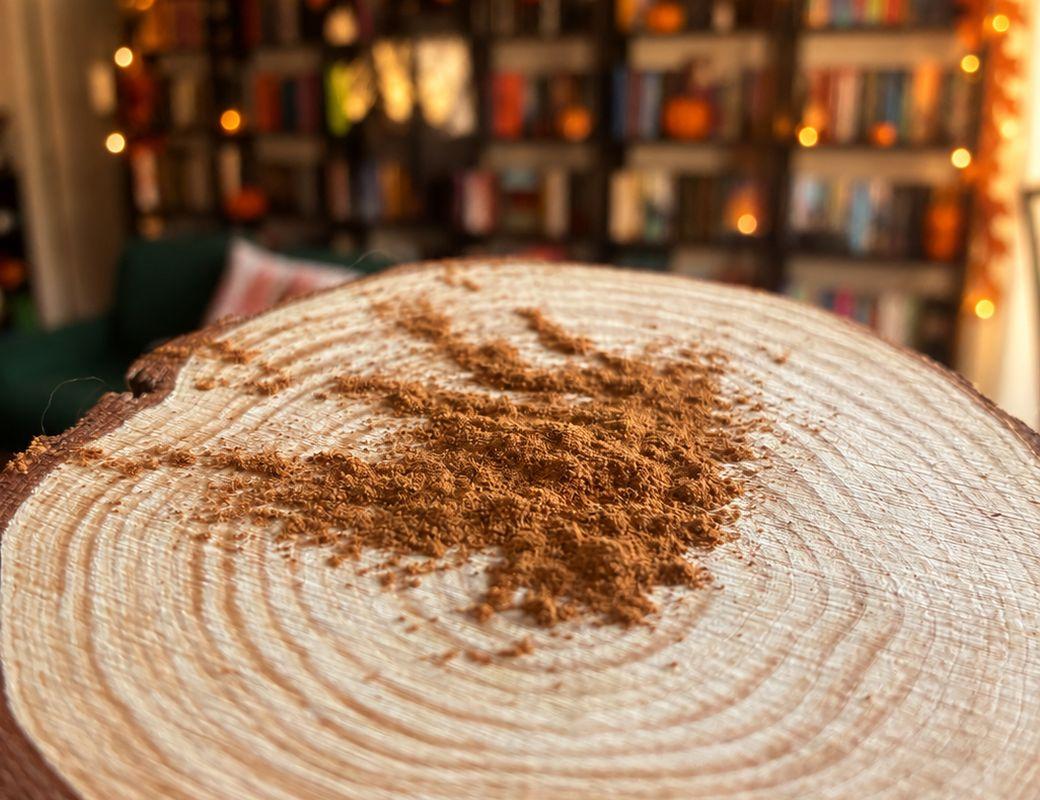
As is done in the current version of the practice, stand outside the doorway with a bit of cinnamon in your palm, or, as I like to do, use a small slice of wood as an offering plate for rituals, and face the house. The direction is deliberate. To blow the spice in is to invite opportunity and prosperity through the threshold that divides the private from the outside world.
Step Three: Put Your Intention to Words
One might offer an affirmation or blessing; some are content with silence. This original text will do:
“As this new month comes to be,
May peace and plenty dwell with me.
Let kindness grow, and worries cease,
And fill this home with warmth and peace.”
It is a modern piece, not some old incantation.
Plain speech is also acceptable:
“With this new month I welcome abundance, opportunity and peace into my home.”
What counts is the intention, not the memorization of a line.
Step Four: Bring Prosperity In
In the common rendition of the rite, the practitioner will gently blow the cinnamon from the palm over the doorway and into the house as a sign of inviting things in.
A cautionary reminder: cinnamon in the air can be an irritant to the respiratory system, particularly for those with asthma or allergies. A better way is to put the cinnamon in a sealed little sachet and make the gesture with your hand at the threshold, rather than letting loose powder into the air. It has the same symbolism without the cloud of spice. Where there are children or pets, keeping the cinnamon contained is wise.
Step Five: Finish the Ritual
After you have spoken, give some thought to a practical step for the coming month to back up what you have welcomed. If it is financial matters, review the budget or go after a new opening. For harmony, put in time with someone you care about. Or if you are looking for some creativity, start on that project that has been waiting in your head. The ritual affords a moment of focus, and the work that ensues gives the intention a place to be.
Should the Cinnamon Be Left at the Door?
Modern takes on the ritual have the cinnamon left undisturbed for hours or until the next day, while others say to put it away when done. There is no historical rule on how long it should stay. Loose cinnamon should be cleaned up right away where animals or children are around and put in the household waste. A sealed sachet can be put aside for another symbolic use. The point is in the act of welcoming, not how long the spice lingers on the floor. Personally, the amount I use is minimal, and I only blow through my threshold, so no cleanup is needed. I do like to sprinkle cinnamon across my threshold outside and leave it there all month.
Is Another Day Acceptable?
Certainly, while the first is the day for the popular version, the ritual can be adapted to other occasions as well: a new job, a move, a personal milestone, or the New Moon, which, in today’s lunar spirituality, is seen as a time for fresh starts and intentions. Merging that with a cinnamon blessing is a contemporary thing. Do not think the ritual is rendered useless by being done on the second or third. Such practices should have meaning, not cause anxiety over made-up deadlines.
Safety and Responsible Practice
Cinnamon is a kitchen staple, but not every form of exposure is kind. The National Center for Complementary and Integrative Health states that it can provoke an allergic reaction.[3] The Pet Poison Helpline cautions that the powder is an irritant to an animal’s respiratory system and that the essential oil is risky.[4]
To be safe: do not blow loose cinnamon about or inhale it. Keep the powder and oils out of the reach of children and pets. Do not put the essential oil on skin or surfaces. Sweep up any loose bits. If you are concerned about sensitivities, a sachet or a symbolic motion is enough. A good practice does not put the health of your household or its animals at risk.
The Point of It All
There is a human quality to starting over. We have our resolutions for the year and our birthday wishes, and we hold ceremonies for transitions. The cinnamon rite on the first of the month is part of that urge to put some meaning on a beginning. It turns an everyday doorway into a spot for reflection and puts the question to us: what we want to let in and the sort of home we wish to have.
Many would call the practice an act of magic. For another, it is a time for gratitude, mindfulness, or observance of a personal tradition. We don’t need to conjure up an old history or make claims of the supernatural to justify either view. The ritual’s chief worth is in its prompting us to start every month with intention. To value what we have and put our minds on what we yet hope to do. It is a reminder that a home is not defined by the walls around us but by the life that goes on inside them. At your doorway when a new month is upon you, pause for a moment. Put yourself in mind of the possibilities to come, and that prosperity has a way of showing up in ways one did not expect to seek.
References and Further Reading
1. Royal Botanic Gardens, Kew. “Cinnamon—A Festive Favorite.” Kew, https://www.kew.org/read-and-watch/cinnamon-a-festive-favourite. Accessed 31 Oct. 2026.
2. University of Southern California. “New Month Prosperity.” USC Digital Folklore Archives, https://folklore.usc.edu/new-month-prosperity/. Accessed 31 Oct. 2026.
3. National Center for Complementary and Integrative Health. “Cinnamon: Usefulness and Safety.” National Institutes of Health, https://www.nccih.nih.gov/health/cinnamon/. Accessed 31 Oct. 2026.
4. Pet Poison Helpline. “Nutmeg and Cinnamon Toxicity.” Pet Poison Helpline, https://www.petpoisonhelpline.com/uncategorized/nutmeg-cinnamon-toxicity/. Accessed 31 Oct. 2026.
5. University of Oxford. “Cinnamomum verum.” Oxford University Herbaria, https://herbaria.plants.ox.ac.uk/bol/plants400/profiles/CD/Cinnanomumverum. Accessed 31 Oct. 2026.
6. Cinnamon Sticks. Image by Steve Buissinne from Pixabay. Accessed 1 Nov. 2026
7. Cinnamon on Wood. Image by Damon Robi. Accessed 1 Nov. 2026
_Author's note: The present article distinguishes among the botanical and historical records and the symbolism of modern folk-witchcraft. As for the spoken blessing, it is an original contemporary piece. The cinnamon ritual performed on the first of the month is presented as a living folk practice, though one can be sure of its exact historical origins, and I try to do my best within the scope of my research. _
Responses
No responses yet — start the conversation.