Wildlife Appreciation as Spiritual Practice
Observing wildlife with mindful attention serves as a practical spiritual practice.
Article · 3 min read · ·
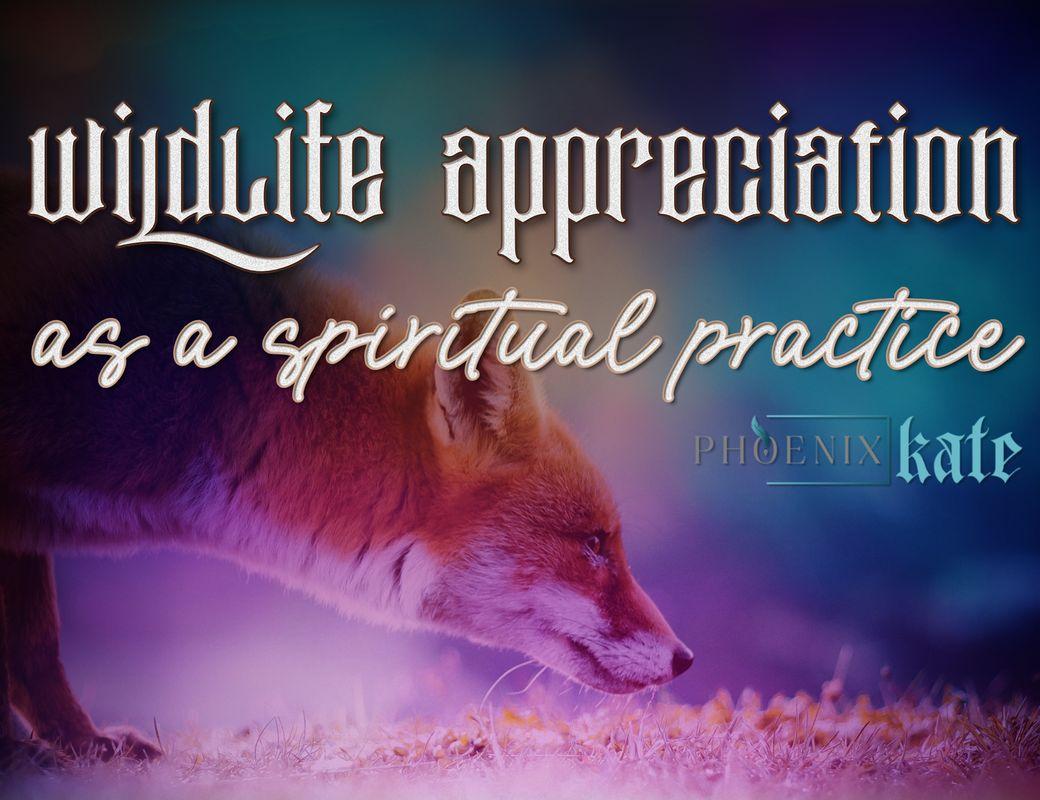
There's a moment every wildlife rehabber knows, when they are holding something wild, something that would rather be anywhere else, and for one breath it stops fighting against their hold, not out of trust in what they are doing, but because it's decided, for now, that stillness is the smarter move. That moment has taught me more about presence than any meditation app ever has. I've spent over thirty years with my hands in this work, coastal Texas, herons and raccoons and the occasional furious opossum, and somewhere in those decades wildlife stopped being just my job and became my spiritual practice in the most real way, built from paying attention to creatures who owe me nothing and perform nothing for my benefit.
Why Animals Make Honest Teachers
I learned very young that a person can perform peace, but animals cannot. A heron standing motionless in shallow water isn't doing yoga. It's hunting, or resting, or conserving energy because the world is expensive and every calorie matters. There's no ego in it and no audience to clap at its success or to feel empathy at its failures. That kind of unselfconscious presence is rare to witness and even rarer to practice ourselves.
When you spend real time watching wildlife, actually observing their behavior instead of scrolling past a video of it, you start noticing how much of your own life is performance. An animal is not attempting to appear calm for any one, least of all the person holding it. It just is, or it isn't, and either way it's honest.
A Practice, Not a Metaphor
The term “spirit animal" language gets thrown around in ways that flatten real cultural traditions into aesthetic. That's not what I'm pointing you toward. This is about building a relationship with attention itself, using wildlife as the practice ground.
Try this the next time you're outside, whether you find yourself sitting on your back porch or a state park:
-
Pick one animal, insect, or bird you can actually observe, even if you can not identify what species it belongs to.
-
Watch it do the thing, whatever its current thing may be, for at least five full minutes.
-
Notice what it needs right now. Does it need food? Warmth, safety, rest?
-
Let yourself feel small in a good way. You are one more animal in that same landscape, and we are all connected within it.
That last part is the whole practice, honestly. Wildlife appreciation as spiritual work is really a practice in remembering you're not the center of the ecosystem you're standing in.
What This Has to Do With Grief, Fear, and Everything Else
The animals I've rehabbed and released never once asked me to fix my life while they were healing theirs. But, somehow, watching them heal, slowly, without explaining themselves to anyone, and without apologizing for how long it took, has quietly rewired how I think about my own timelines. Recovery doesn't perform itself for an audience either. It just happens, unglamorously, one day at a time, the same way a fledgling learns flight one clumsy hop at a time before it ever gets airborne.
If you're carrying something heavy right now, whether that is grief, fear, or the exhaustion of always managing everyone else's needs, spend time with something wild instead of something that needs you to explain yourself. Let a bird just be a bird for twenty minutes. You might find you can just be a person for twenty minutes too.
Something to Try This Week
Find one wild creature near you (yes, common animals are fine including a squirrel, a mockingbird, or a lizard on a fence post) and give it real attention three separate times this week. No researching , no camera, just observation. Notice what changes in you by the third time. I’d love to hear how that works out for you.
This piece is part of the Nature & Wonder series, and will be available soon on the new Moss & Ember resource guide. Keep an eye out for that launch.
Responses (6)


More from the Magazine
Your Witchcraft Doesn't Need to Cost More Than Your Grocery Bill
Build a meaningful practice with ordinary objects, intentional actions, and what you already own.
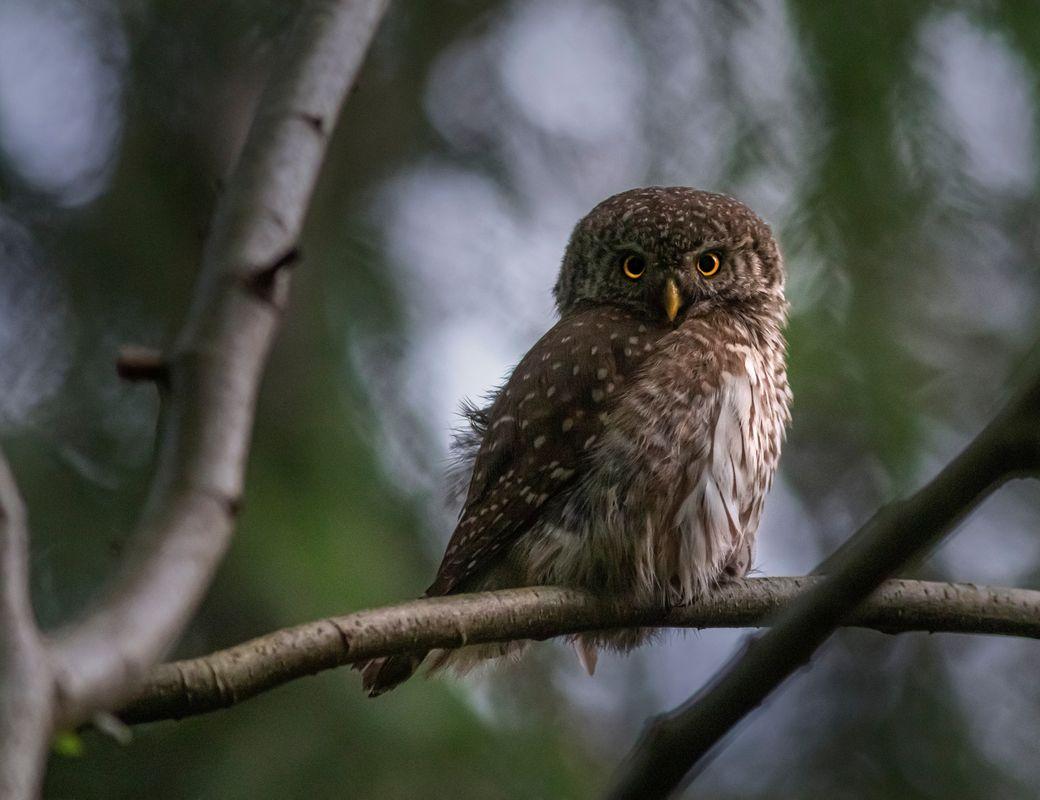
The Owl - Secrets of Wisdom
The symbolism of the nocturnal bird in mythology, magic, and spiritual practices
How to Attract and Maintain Positive Energy
In Your Home and Other Spaces