Up the Chimney and Down the World Tree
A Closer Look at the Christmas Goblins of Greece
Article · 5 min read · ·
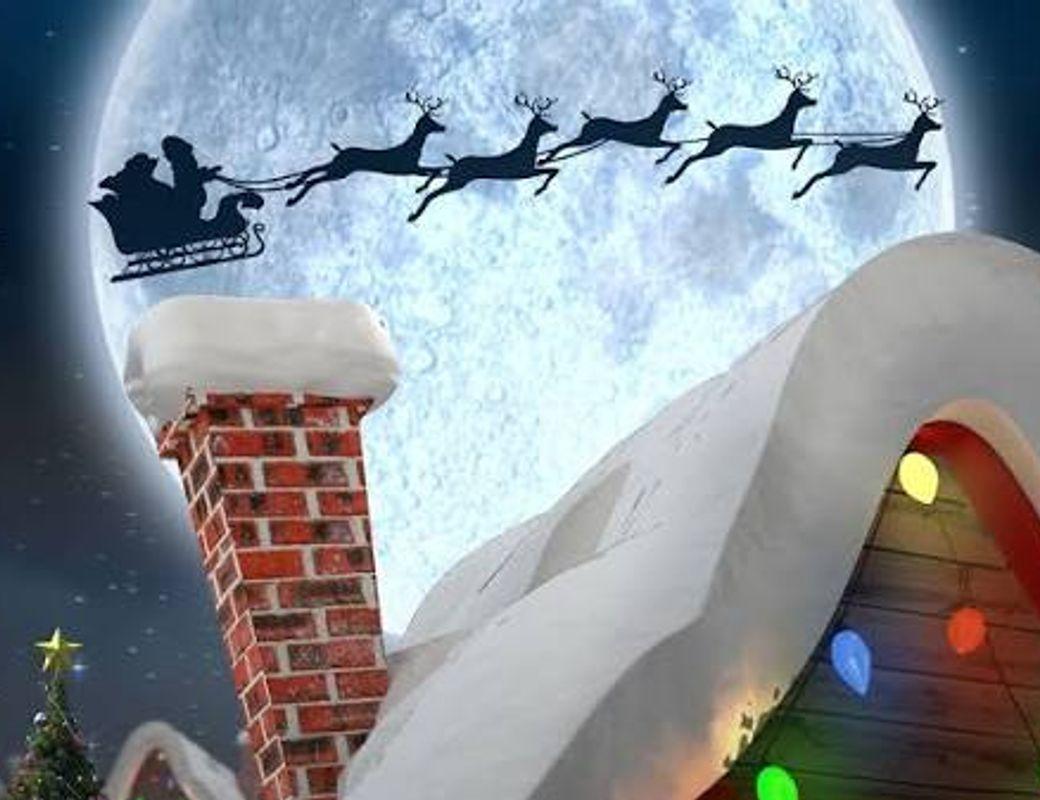
Every winter, when nights stretch long and hearth fires glow like tiny suns, old Greek folktales say the world becomes just a little thinner, thin enough for mischief to slip through. Many have heard of Krampus, the dark, horned visitor of Central Europe, but Greece has its own Christmas tricksters, far less known and far more playful: the Kallikantzaroi. These soot-covered goblins climb up from the underworld during the Twelve Days of Christmas, scampering through chimneys, stealing sausages, tangling threads, and creating a kind of merry chaos that makes the season feel alive with magic. Yet unlike the dark menace of Krampus, the Kallikantzaroi are mischievous rather than malevolent, lively spirits who remind humans of winter’s unpredictability and the whimsy hidden in the longest nights of the year.
To understand their peculiar charm, one must first journey far below the surface, to a world tangled in roots and shadows, where an ancient World Tree binds the universe and where the goblins spend all year plotting its downfall. Greek folklore imagines the tree’s branches holding the heavens and its roots stretching deep into unseen realms below. Here, in eternal shadow, the Kallikantzaroi labor obsessively, hacking away with crooked saws and rusted axes, convinced that its collapse will grant them dominion over the human world. Yet each year, just as their destructive work nears completion, something irresistible calls them upward. The arrival of Christmas, the flicker of candlelight in windows, the aroma of roasting meats, and the sparkle of snow-dusted rooftops, pulls the goblins toward the mortal world, and the World Tree is momentarily forgotten as they climb toward warmth, food, and the chance to unleash twelve nights of mischief.
From December 25 to January 6, the goblins roam freely among human homes, a period corresponding to the Twelve Days of Christmas, which culminates with Epiphany, a day traditionally celebrated in Greece as the visit of the Magi and the blessing of waters. The end of Epiphany also marks the time when the goblins retreat, returning to the shadows beneath the World Tree until the following year. During these twelve days, the Kallikantzaroi are not fearsome punishing spirits but playful tricksters with a love of chaos. Folklore describes them in various forms: some are small, wiry children with soot-blackened faces and glowing eyes; some are goat-legged, sharp-toothed, and wild-haired; others are plump, potbellied, and grinning with impish delight.
Certain Kallikantzaroi have their own reputations in village stories, with distinct personalities and favorite mischiefs. Mavros-Thamnos, or “Black Bramble,” is thorn-haired and delights in tangling spinning threads, hiding tools in rafters, and leaving thorn scratches across windowsills. Kotsomanis, known as “Stubby-Hand,” is notorious for snatching sausages off the fire and replacing them with twigs or dried leaves. Tribolos, sharp-toothed and boisterous, chases livestock through snowy fields, leaving villagers scrambling after runaway goats and sheep. The tiny and cunning Vasilakos slips through keyholes to whisper nonsense into sleeping children’s dreams, sowing confusion and delight by morning. And Krommikon, a mischievous shadow, overturns pots and spills milk, often blamed when kitchens are mysteriously messy. These stories, passed down orally for centuries, not only entertained children gathered around the hearth during Christmas celebrations but also served as gentle warnings about the unpredictable nature of winter and the importance of keeping one’s household vigilant and orderly.
The chimney is the Kallikantzaroi’s preferred point of entry, which explains why Greek households traditionally kept the hearth fire burning through the night. Smoke was thought to discourage the goblins from entering, while kitchens filled with food tempted them irresistibly. Their favorite targets were easy: pastries, bread, honey, meat, and strings of sausages hanging to dry. Tales abound of villagers hearing the scurry of tiny feet across rooftops, the tinkle of objects being knocked over, and the mysterious disappearance of the holiday feast. Yet these goblins were rarely destructive in a dangerous way, they delighted in playful disruption rather than harm. Villagers developed clever defenses against them that appear across Greek folklore. Hanging a colander or sieve above the doorway would trap the goblins in endless counting, for they could only count as high as two, and eventually they would give up at dawn. Sprinkling holy water on homes during Epiphany drove the goblins shrieking back underground, while burning old shoes in the hearth produced a pungent smell that sent them retreating with muttered curses. These precautions show how the goblins were considered part of the seasonal magic, mischievous yet integrated into the rhythm of winter rather than opposed to it.
When Epiphany arrives, the holy water blessings and morning light drive the goblins back underground. They scurry down chimneys, across rooftops, and into the shadows beneath the World Tree. There, they find their sawed-down work undone, the tree fully restored, and their efforts erased once more. With grumbles and muttered curses, the goblins pick up their axes and saws again, resuming their eternal cycle of plotting and play. By next Christmas, they will emerge once more, ready for another twelve nights of Yuletide mischief.
The Kallikantzaroi remind us that Christmas is not only about warmth, lights, and feasts, it is also about chaos, laughter, and magic hidden in the shadows. Unlike the fearsome Krampus, these goblins are playful tricksters, a little wild, and wholly alive in the imagination of those who hear their stories. So as you light your candles, stoke your fire, and hang your stockings this Christmas, listen carefully. A scurry on the roof. A twitch in the chimney soot. A giggle just beyond your hearing. It might be nothing… or it might be the Kallikantzaroi, climbing up for another round of Yuletide mischief.
Responses (5)

More from the Magazine
Your Witchcraft Doesn't Need to Cost More Than Your Grocery Bill
Build a meaningful practice with ordinary objects, intentional actions, and what you already own.
The Owl - Secrets of Wisdom
The symbolism of the nocturnal bird in mythology, magic, and spiritual practices

How to Attract and Maintain Positive Energy
In Your Home and Other Spaces