Through the Veil: Ancient and Mystical Forms of Divination
Beyond tarot, runes, and pendulums.
Article · 8 min read · ·
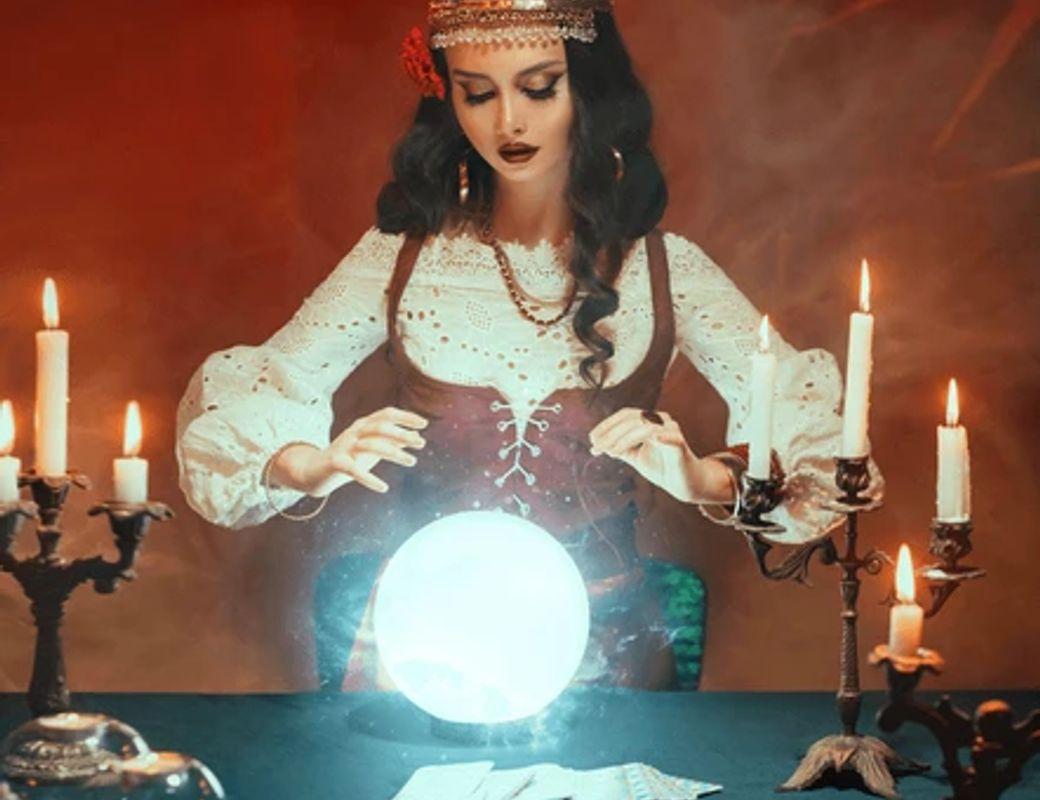
Divination is a sacred conversation with the unknown—one that echoes across time, cultures, and traditions. While modern spiritualists are often drawn to tarot cards, oracle decks, or pendulums, there exists a much older and often more intuitive world of elemental and visionary practices. These ancient methods of insight do not rely on structured systems, but rather on personal perception, spiritual openness, and the natural forces of fire, water, smoke, and earth.
For those who seek a more immersive, sensory experience in their magical work, the path of the seer offers a return to simplicity, stillness, and the subtle language of spirit. Below, we’ll explore some of the oldest and most mystical forms of divination—how they are performed, what tools you need, and why they continue to resonate in the hearts of modern mystics.
Water Scrying (Hydromancy)
One of the most ancient forms of divination, water scrying, also known as hydromancy, has roots in civilizations that worshipped water as a source of life, memory, and sacred knowledge. The Babylonians interpreted the ripples of holy rivers; the Greeks used bowls of water in Apollo’s temples; and Celtic priestesses often received visions by moonlight near sacred wells.
To practice hydromancy today, you’ll want to work with a dark-colored bowl—black ceramic or cast iron works beautifully—and fill it with clean, still water. The bowl is ideally placed in a quiet space, lit softly by candlelight or moonlight. As you gaze into the water’s surface, allow your vision to soften. The water becomes a living mirror, where images, symbols, and impressions begin to rise—not necessarily as vivid pictures, but as intuitive whispers from within and beyond.
This ritual requires only a few essentials: a dark vessel, clean water, and a source of gentle light to dance across the surface. More importantly, it requires patience and presence. Water scrying connects deeply to emotional insight, subconscious messages, and lunar energy. It’s particularly potent during full moon rituals or when you’re seeking answers rooted in intuition rather than logic.
Mirror Scrying (Catoptromancy)
If water reflects the emotions, the mirror reflects the self. Mirror scrying, or catoptromancy, has a long lineage stretching from ancient Egypt to Renaissance Europe. Obsidian mirrors were prized by priests and mystics, and one of the most famous scryers in history, John Dee, used a polished black mirror to communicate with angelic intelligences in the court of Queen Elizabeth I.
The practice involves using a black mirror—this could be a slab of polished obsidian, a piece of blackened glass, or even a framed mirror painted with matte black paint. The setting should be dim, with a candle placed to the side or behind you, allowing a flicker of flame to dance gently on the surface. You don’t look for a literal image, but instead allow yourself to slip into a light trance, letting whatever wants to emerge reveal itself through feeling, shape, and subtle shifts in perception.
While the mirror itself is the key tool, the ambiance matters just as much. Burning incense, casting a protective circle, or invoking spirit allies can all deepen the scrying experience. Mirror scrying is particularly effective for shadow work, ancestral connection, and deep soul reflection. It teaches us to face not only the spirit world but the parts of ourselves we often try to hide.
Fire Scrying (Pyromancy)
Where water reflects and mirror reveals, fire transforms. Pyromancy is the ancient art of receiving messages through flame. From Celtic druids to Zoroastrian priests, fire has long been revered as a divine force—capable of purification, destruction, illumination, and revelation.
To begin, light a single flame in a candle or contained fire source and place it before you in a quiet, darkened space. The flickering light becomes your focal point. Rather than staring directly at it, soften your gaze and let the flame speak through movement, shape, or color shifts. Some practitioners see images in the smoke or glowing core, while others feel emotional impressions or spontaneous insights.
You’ll need only a candle, a fireproof holder, and a quiet moment to devote to this ritual. It’s a powerful method for gaining clarity, releasing confusion, and illuminating truths that may be hidden in shadow. Fire scrying is particularly well suited for spells of transformation, purification, and energetic release.
Smoke Divination (Capnomancy)
Smoke is the spirit of fire made visible. Capnomancy, or smoke divination, is an ethereal practice that dates back to early tribal and shamanic traditions. Whether from sacred herbs, incense, or ritual fires, the way smoke moves has always been interpreted as a sign from the divine.
This form of divination begins by lighting a natural incense stick, a dried bundle of herbs like mugwort or sage, or loose incense placed on a charcoal disc. As the smoke rises, observe its movement. Does it drift smoothly upward or waver and curl? Does it linger or quickly vanish? Pay attention to shapes that form, sudden shifts in direction, or any odd behavior that seems to catch your intuitive attention.
All that’s needed is your chosen incense or herb, a fire-safe container, and a quiet space to witness. Smoke reading often accompanies other rituals, especially cleansing or spirit work, and is deeply connected to ancestral messages, energetic readings, or spiritual confirmations. It’s especially potent when paired with trance meditation or mediumship.
Crystal Casting (Lithomancy)
Stones hold memory. In lithomancy, those memories become messages. This ancient form of divination—practiced by Greek mystics and Romani seers—uses crystals or stones as symbolic messengers. Each one represents a specific energy or theme: love, protection, clarity, shadow, intuition, and so on.
To begin, create or gather a set of small stones or crystals—traditionally thirteen is used, but any meaningful number will do. Assign a symbolic meaning to each, either intuitively or based on traditional correspondences. These can be tumbled stones, raw crystals, or even pebbles collected from sacred places. When you’re ready, hold them in your hands, focus on your question or situation, and cast them gently onto a cloth or designated space.
The way the stones fall—how they group, which ones are distant, which land near the center—tells a story. It’s not about rigid interpretation but rather tuning into what the layout feels like. This practice blends earth energy with intuitive insight, making it ideal for chakra alignment, energetic healing, or guidance through crossroads.
Tea Leaf Reading (Tasseography)
There’s something intimate and poetic about reading tea leaves. Tasseography, which rose to popularity in Victorian-era England and among Romani travelers, actually draws from much older traditions found in China and the Middle East. It transforms a simple cup of tea into a mystical portal of symbols and stories.
The ritual is simple yet deeply meditative. Brew a loose-leaf tea—black, green, or herbal—and allow the person receiving the reading to drink it slowly, leaving just a small amount of liquid and leaf sediment in the bottom. Then, with intention, swirl the cup three times clockwise and flip it onto a saucer. After letting the remaining tea drain for a few moments, turn the cup upright and gaze inside.
Shapes will form—some clear, some abstract. A bird might symbolize news; a key could mean opportunity; a spiral may represent confusion or transformation. The joy of tasseography lies in its subjectivity. Each reading is as much about intuition as it is about pattern recognition.
You’ll need a light-colored, wide-mouthed teacup, loose-leaf tea (never a teabag), and a quiet space to allow your imagination to unfold. It’s a wonderful form of divination for self-reflection, gentle foresight, or connecting with your inner muse.
Palmistry (Chiromancy)
Our hands are living maps, etched with the symbols of our personality, history, and potential. Palmistry, or chiromancy, has ancient roots in India and China and was studied by philosophers like Aristotle, who believed the hand mirrored the soul. Over time, it evolved into an esoteric art practiced across Europe, often by Romani mystics and magical healers.
To read a palm, both hands are observed. The non-dominant hand reveals inherited traits and karmic patterns; the dominant hand shows the choices and experiences shaping your present and future. The three major lines—the heart, the head, and the life line—form the foundation of a reading, while secondary lines (fate, marriage, intuition) and mounts (the padded areas beneath the fingers) add further nuance.
No tools are required—just a well-lit space and a willingness to look closely and intuit deeply. A magnifying glass can help with subtle lines, and palmistry books or charts may aid your learning. But at its core, palmistry is about tuning into the sacred language written into the body.
This practice is deeply personal, offering insight into a person’s emotional temperament, intellectual style, spiritual gifts, and life trajectory. It’s less about prediction and more about self-understanding—a mirror of who we are, where we’ve come from, and where we might be going.
Other Timeless Techniques
A few lesser-known but equally magical methods include ceromancy, where melted candle wax is dripped into water and interpreted by its shape; oinomancy, a Greco-Roman tradition of reading wine stains or reflections; and bibliomancy, where sacred texts are opened at random to receive a divine message. Each of these practices reflects the spirit of spontaneity and trust in divine timing.
Divination as Sacred Dialogue
No matter the method, divination should always be approached with reverence. Set your intentions clearly. Cleanse your space, center yourself, and enter the ritual with humility. Never use these tools to control others, frighten seekers, or claim absolute truths. Divination is an act of listening—not commanding. The answers we receive are often symbolic, layered, and meant to provoke reflection, not provide absolutes.
Above all, honor the mystery.
In a world of noise and distraction, divination invites us to return to stillness—to reawaken the ancient language of spirit, elements, and inner knowing. Whether you find truth in the spiral of smoke, the shimmer of water, or the flicker of flame, you are entering a sacred lineage of seekers, dreamers, and truth-tellers.
May your visions be clear, your heart be open, and your path be illuminated by the wisdom that waits just beyond the veil.
Responses (3)

More from the Magazine
Your Witchcraft Doesn't Need to Cost More Than Your Grocery Bill
Build a meaningful practice with ordinary objects, intentional actions, and what you already own.

The Owl - Secrets of Wisdom
The symbolism of the nocturnal bird in mythology, magic, and spiritual practices
How to Attract and Maintain Positive Energy
In Your Home and Other Spaces