The Weight That Presses In
When Rituals Fail and Ancient Shadows Stir Again
Article · 4 min read · ·
It started subtle. A heaviness in the chest, a restlessness in the bones, a silence that wasn’t really silent. I thought it was just me being off. We all have those days, right? So I lit the candles. I burned the herbs. I whispered prayers until my throat felt dry. I rode the hedge, thinking maybe if I slipped into the spaces-between, I’d find where this static was bleeding from. But nothing broke it. The more I tried, the more it clung like it had roots in me.
That’s when I started digging. And the deeper I went, the clearer it became: this wasn’t new. People had been writing about this feeling for centuries. They gave it different names, depending on the land and the tongue. The Romans called it gravitas nocturna, the night weight. In medieval Europe, it was whispered as “the air of the Black Host,” a time when all prayers fell silent and no saint could drive away the dark. In Irish folklore, the druids spoke of the ánfa dorcha, “the dark storm” when the veil itself pressed down as if the Otherworld was leaning closer, breathing on your skin.
The Cree spoke of the Wetiko wind, when the hunger of the spirit world swelled so strongly it bent into our own. In the Norse sagas, there’s talk of the draugr-tide, not an ocean tide, but a tide of restless dead, pressing so heavily against the living world that animals would go mad, shadows would stretch too long, and even the strongest seers saw nothing but a wall of black when they tried to peer beyond.
And the thing that unsettled me most? Every culture agreed on one thing: when the air grows thick and every ritual fails, it isn’t bad luck. It’s a signal. Something ancient is waking, or moving closer.
There are fragments of old trial records from Scotland, around the 1500s, where entire villages testified that nothing could cleanse their homes, no salt, no charms, no prayers. The cows wouldn’t produce milk, the bread wouldn’t rise, and the children woke screaming every night at the same hour. They called it “the Omen Season.” A month later, plague swept through, faster than anyone could bury the dead.
The Welsh spoke of Teimlad Llwyd “the Grey Feeling.” They said when it settled, you’d hear no birdsong. Fires wouldn’t stay lit. And if you looked into still water during those nights, you wouldn’t see your reflection…you’d see a stranger watching you back.
In Appalachia, the old granny witches used to warn of “the Swell.” They said sometimes the earth itself sighs, and when it does, every charm in the world turns useless. I found a story recorded in the 1800s of a man who tried every mountain cure to lift the heaviness. Nothing worked. He went missing a week later, and they said they found his boots lined up at the edge of the woods, but no tracks leading in.
The creepiest part? These accounts line up with natural cycles. Solar storms. Shifts in geomagnetic fields. Sudden bursts of seismic activity that science only much later started to track. But the lore insists these aren’t coincidences. They’re catalysts. The veil thins not just on Samhain or solstice, it thins whenever the world itself is agitated, whenever the pressure between worlds builds up too strong to contain.
And here’s where my stomach dropped: what every single one of those old stories said about trying to banish it. You can’t. Not until it’s finished. All the sage in the world, all the holy water, all the hedge riding, it doesn’t scatter the storm. It only stirs it deeper.
They said the only thing you can do is listen. Sit in the pressure. Let it whisper. Because what presses in isn’t always malicious. Sometimes it’s a warning. Sometimes it’s an invitation. And sometimes…it’s a hunger.
The pattern I kept finding in these accounts was chilling: when the energy was ignored, people went mad. They’d hear voices calling them by name in the middle of the night, see shapes in their windows that no one else could see. But when they listened…when they acknowledged the weight instead of fighting it, the storm would break. Sometimes violently. Sometimes quietly, like a candle being snuffed out. But it would always leave something behind.
In Norse tales, it left gifts…sight, strength, strange knowledge. In Irish lore, it left a mark, a scar on the soul that changed how you walked in the world. In Appalachian stories, it left nothing but silence, as if the Swell had devoured whatever it came for.
And now I can’t shake the thought: maybe this isn’t about fighting it at all. Maybe what I’ve been feeling isn’t something to cleanse. Maybe it’s something I’m supposed to endure, to witness.
Because whatever this pressure is, it isn’t random. It isn’t coincidence. It’s old. Older than the names we’ve given it. And for some reason, it’s here again, pressing down, thick and deliberate, waiting for us to notice.
Responses (10)

Show more

More from the Magazine
Your Witchcraft Doesn't Need to Cost More Than Your Grocery Bill
Build a meaningful practice with ordinary objects, intentional actions, and what you already own.
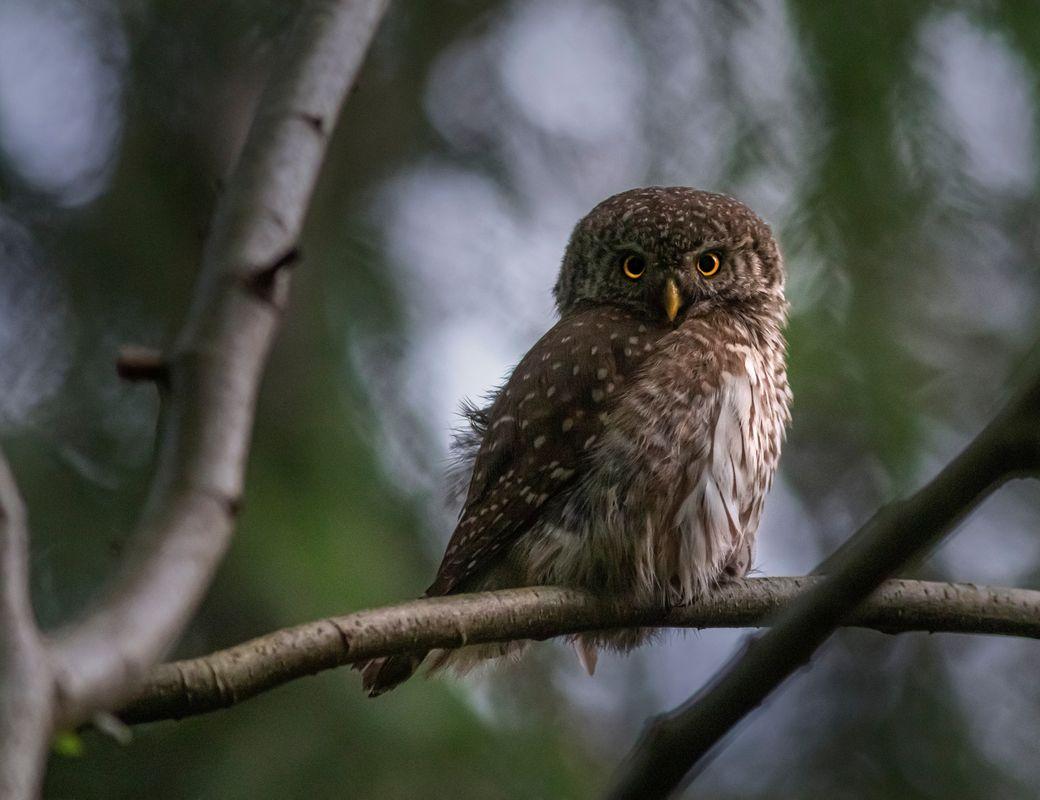
The Owl - Secrets of Wisdom
The symbolism of the nocturnal bird in mythology, magic, and spiritual practices
How to Attract and Maintain Positive Energy
In Your Home and Other Spaces