THE HISTORY OF CANDLES 2
The History of Candles: Symbolism and Energy
Article · 2 min read · ·
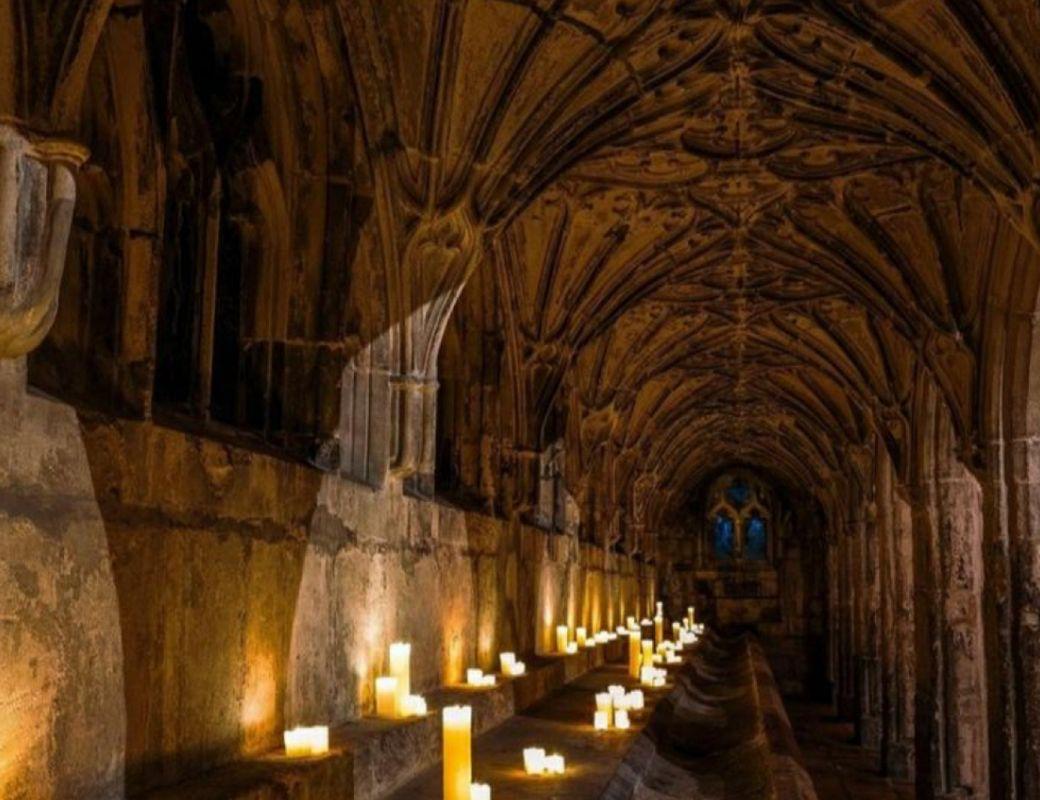
Candles: Symbolism and Energy
Lighting a candle is opening a door to another dimension, accessing another plane—undoubtedly a higher one. This is why for millennia they have been present in countless rituals connected to the most diverse spiritual traditions.
In Catholicism, candles are offered to the Virgin both to make a request and to give thanks when it has been granted.
This religion is also rich in propitiatory candle rituals directed toward various saints: if you seek employment, you light a candle to Saint Cajetan; if you wish to find a husband, the candle is offered to Saint Anthony; and if what you long for is considered impossible, then the candle must be offered to Saint Rita. In Christianity, a lit candle represents Christ as the light that brings resurrection to the world. In the Jewish ritual of Hanukkah, candles are lit for several consecutive nights to commemorate the miracle of a supply of sacramental oil that burned for that time, when the eternal light of Jerusalem was rekindled.
Certain Hindu rituals are accompanied by the beating of drums and the light of candles. Candles have also been widely used for various divination practices. In certain parts of the British Isles, especially during the Middle Ages, candles were used to predict the weather.
It was believed that if the flame flickered without obvious cause, windy weather could be expected; when they couldn't be lit as quickly as usual, it was taken as a forecast of high humidity; and if they sparked and produced smoke, it was a sign that a strong storm was approaching. Specifically in Wales, the Tair Nos Ysbrydion (Night of the Three Spirits) brought women together, each holding a lit candle, attempting to visualize the future in the arabesques of its flame.
In 17th-century Alsace, when a family member was ill, the cause of the ailment was initially attributed to a certain number of saints who might be responsible. Then, to determine which one was exactly responsible, a candle was lit for each, and if one went out suddenly or burned down first, the saint associated with that candle was responsible for the illness.
Once the origin was known, one could then proceed with the cure. As if all this weren't enough, candles are also present in transcendent moments of life that have nothing to do with religious or esoteric spheres.
Responses
No responses yet — start the conversation.
More from the Magazine

How to Make a Sigil When Your Brain Has Seventeen Tabs Open
A low-pressure, five-minute practice for clarity, focus, and intention

Your Witchcraft Doesn't Need to Cost More Than Your Grocery Bill
Build a meaningful practice with ordinary objects, intentional actions, and what you already own.

The Owl - Secrets of Wisdom
The symbolism of the nocturnal bird in mythology, magic, and spiritual practices