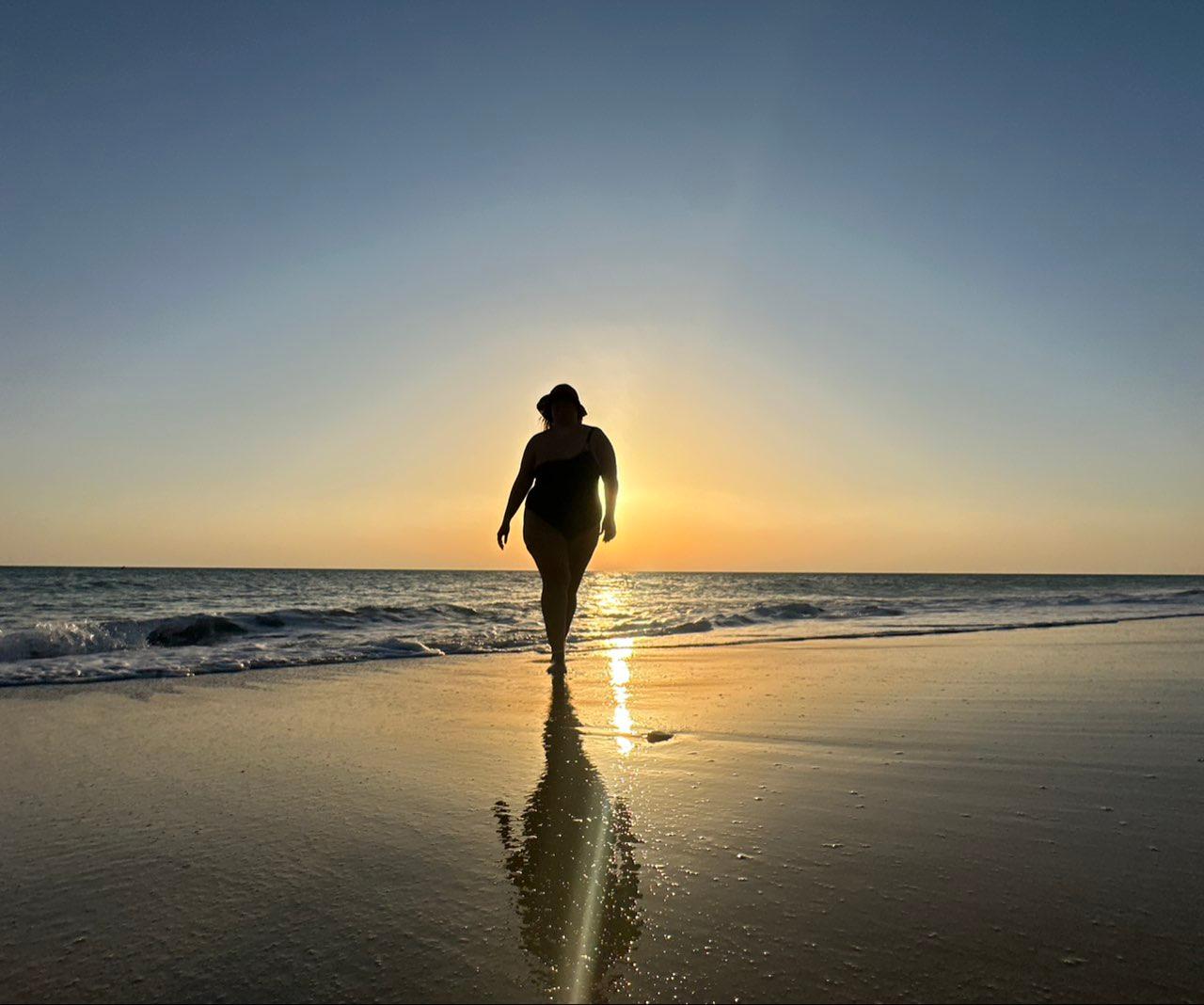
The First Harvest Awakens: Lammas.
A practical guide to this sabbat
Article · 4 min read · ·
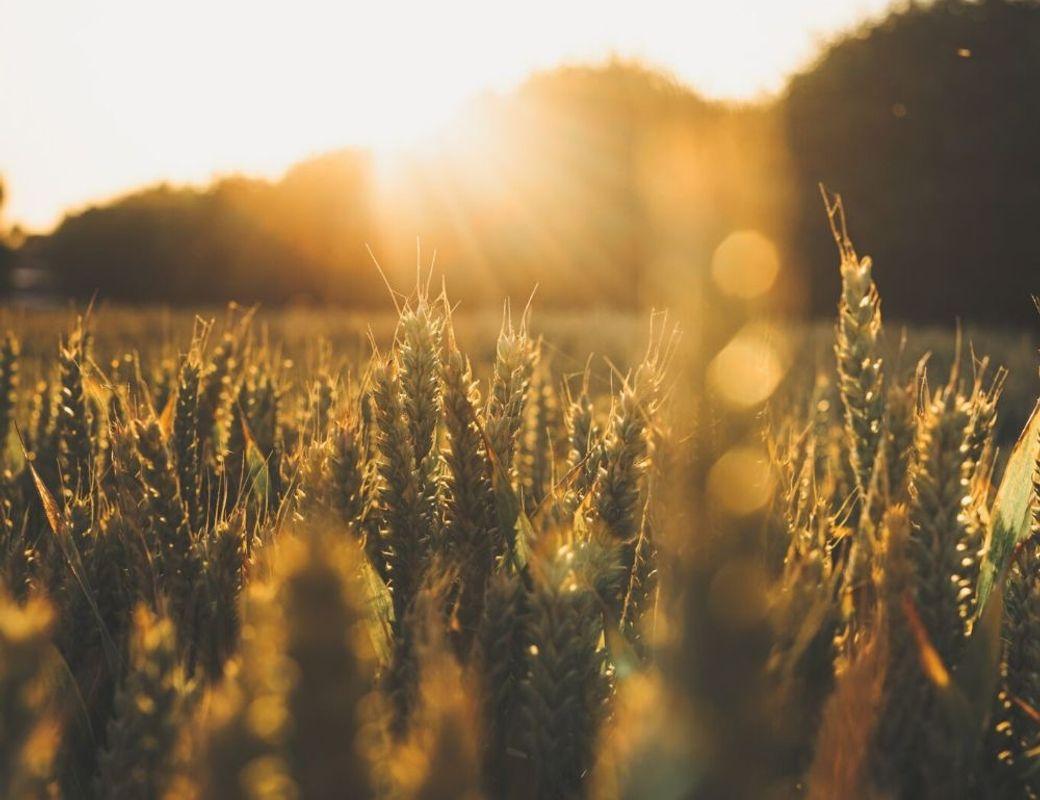
Sometimes we forget that summer is more than just beaches, ice cream, and desperately seeking shade or air conditioning (I'm usually the first to forget). If we look a little deeper, toward the earth's actual cycles, we realize we're standing right in the middle of an invisible bridge. The days start getting shorter almost without us noticing, and nature, which has been quietly working away beneath the scorching sun, begins to offer its first ripe fruits.
This exact moment of the year has an ancient and beautiful name: Lammas (or Lughnasadh, if we want to get more Celtic). It's traditionally celebrated at the start of August and is, quite simply, the festival of the first harvest.
I always associate Lammas with those summer days when the sunset turns deep red or pink and a few clouds appear on the horizon, you take a dip in the sea and realize that summer (though not the heat if you live in Spain like me) is starting to age without us even noticing.
The origin: Games, truces, and the "Loaf Mass"
To understand Lammas, we need to travel back in time a bit, to when life depended 100% on wheat and barley turning out well (among other crops). The word Lammas comes from Old English (Hlaf-maesse), which literally translates as "Loaf Mass." So what did people do? Farmers would gather the first grains of the harvest, bake a loaf of bread, and take it to church to be blessed. That first loaf wasn't just eaten with gratitude—it was believed to magically protect all the grain that would be stored away for the long winter.
But if we dig a little deeper, in Celtic roots we find the name Lughnasadh. Legend has it this was the festival of the god Lugh, he of the many skills, who established monumental games in honor of his foster mother, Tailtiu, who died after preparing the land for cultivation.
How was it celebrated in ancient times?
-
Great fairs and political truces: It was a time of mandatory peace. No one could start a fight or a war during the games.
-
Trial marriages: In Ireland, the famous "handfasting marriages" were celebrated, lasting a year and a day. If after that time the couple saw things weren't working out, they'd return to the same place, turn their backs to each other, and be legally separated. I find this fascinating because I think if we did this today, no one would ever get married 😜😂
-
The sacrifice of the Grain King: There was the folkloric figure of John Barleycorn, the personification of grain who willingly sacrifices himself by being cut down to give life and sustenance to the community, promising to be reborn the following spring.
Today, the energy of this festival remains incredibly magnetic if we know how to adapt it to our modern routine. Nowadays, celebrating Lammas has much more to do with gratitude and awareness.
Here are some things people typically do (and that I myself enjoy) to connect with this season:
1. The art of baking (and sharing) 🍞 🥯
Making homemade bread from scratch has become the quintessential modern Lammas ritual. It doesn't matter if you're an expert baker or if it's your first time—the act of kneading, smelling freshly baked bread, and sharing it with people you love is the most direct way to connect with that abundance. If bread isn't your thing, cooking with seasonal produce (like corn, zucchini, berries, or apples) works just as well.
2. Taking stock of our own "harvests" 🌾 🍃
On a personal level, Lammas is a fantastic time to sit down and write and reflect. It's the midpoint of the year, the moment to look back and ask ourselves: What projects or ideas did I plant at the beginning of the year that are already bearing fruit? What efforts are starting to materialize? It's also a time for honesty to see what hasn't worked and let it go, just like cutting the wheat stalk.
3. Decorating with earth tones 🌍
In the homes of those who follow these traditions, altars and tables are filled with golden, yellow, orange, and brown tones. A simple vase with sunflowers, a few braided wheat stalks, or gold-colored candles are enough to remind us that we're celebrating the sun's abundance before it begins to withdraw.
It's also time to make a Lammas doll from wheat stalks, but WATCH OUT—you must burn it before the next YULE.
Ultimately, Lammas reminds us that life is cycles. That to reap, you must sow, and that even in the middle of the hottest summer, we already need to start giving thanks for everything we've managed to harvest.
In the end, it's about stopping for a second, looking around us, and celebrating that, one way or another, our pantries (both physical and emotional) are full. Happy Lammas!🤍 🌾

P.S.: the photo is from my Lammas two years ago ☺️☺️
Responses (2)
More from the Magazine

Your Witchcraft Doesn't Need to Cost More Than Your Grocery Bill
Build a meaningful practice with ordinary objects, intentional actions, and what you already own.
The Owl - Secrets of Wisdom
The symbolism of the nocturnal bird in mythology, magic, and spiritual practices
How to Attract and Maintain Positive Energy
In Your Home and Other Spaces