The Art of Herb Gathering
Connecting with the Earth Element and the Magic of Summer Abundance
Article · 4 min read · ·
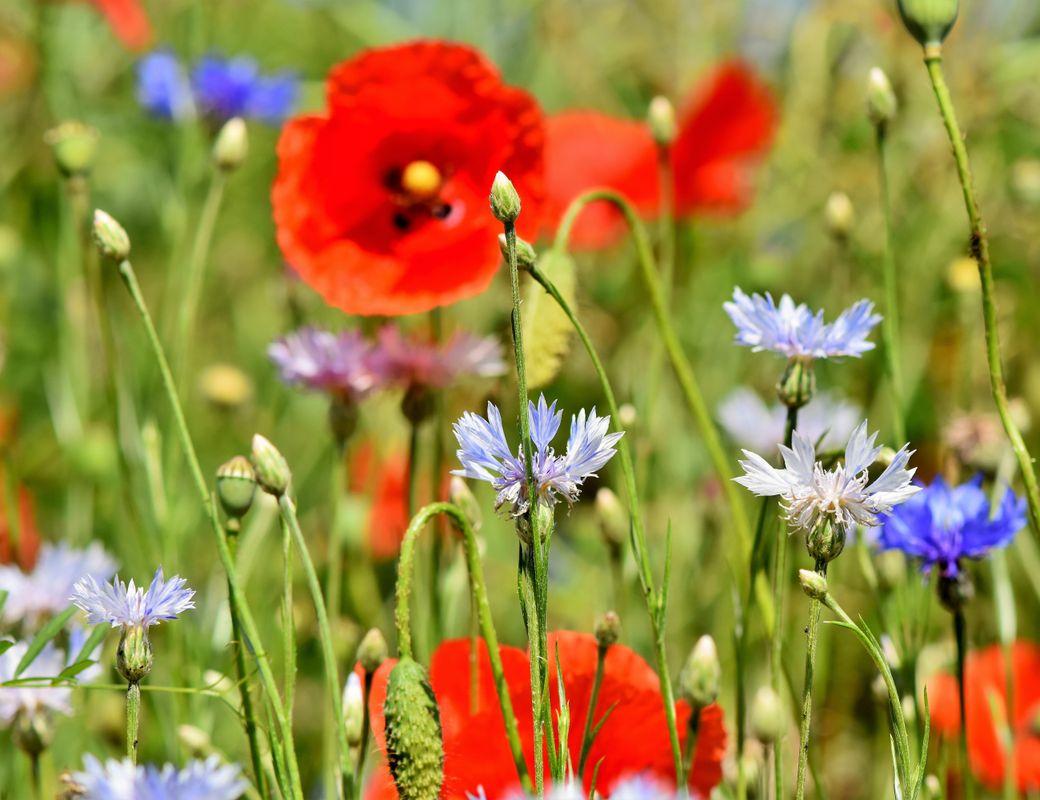
Summer is a special time of year when nature reveals itself in its fullest expression. The sun stands high above the horizon, meadows burst with wild herbs, and the air is filled with the fragrance of flowers and warm earth. During this season, many plants reach the peak of their potency, which is why herb gathering has long been regarded not only as a practical skill but also as a sacred art.
Our ancestors understood that plants are more than simply natural resources. They are part of the living world, manifestations of the Earth element, and carriers of their own unique energy. For this reason, every meaningful interaction with plants begins with respect.
Before heading out to gather herbs, it is helpful to prepare in advance. Take time to learn about the plants you intend to collect, their properties, flowering periods, and the best methods for harvesting them. Modern technology can greatly simplify this process. Today, many plant identification apps can help you avoid mistakes and deepen your understanding of the natural world around you.
At the same time, nature often loves surprises. You may set out in search of one particular herb and discover another that seems to call to you along the way. That is why it is important to balance planning with openness, spontaneity, and attentiveness to the signs around you.
Many practitioners recommend approaching herb gathering as a sacred ritual. Before you begin, pause for a few moments. Listen to the sounds around you, feel the earth beneath your feet, and silently offer gratitude for the gifts nature is about to share.
However, a spiritual approach should never replace self-care. When venturing out to gather herbs, wear comfortable clothing, bring enough water, protect yourself from the sun, and carry insect repellent if needed. It is difficult to maintain a meaningful connection with nature if you neglect your own well-being.
One of the most important principles of herbalism is remarkably simple: take no more than you need.
Many traditions follow the “rule of one-third.” This principle suggests that you should never harvest an entire plant population or remove all available specimens. After you leave, the area should remain healthy and capable of regenerating naturally. There should always be enough thriving plants left behind to sustain future growth.
It is also a beautiful practice to leave something in return. This may be seeds, nuts, or simply words of gratitude. Such an offering is less about magic and more about symbolism - it reminds us that our relationship with nature is based on exchange and reciprocity.
Timing is another important aspect of herb gathering. Herbs are best collected during dry weather, once the morning dew has evaporated. Many herbalists also pay attention to the phases of the Moon.
The waxing Moon is traditionally considered ideal for gathering herbs associated with abundance, growth, love, and attracting new opportunities. The waning Moon is often preferred for plants used in cleansing, protection, and releasing what no longer serves us.
Particularly powerful times for gathering herbs include the New Moon, the Full Moon, and the Summer Solstice - the moment when the energy of the Sun and the natural world reaches its peak.
Choosing the right location is equally important. Plants readily absorb substances from their environment, so it is best to avoid areas near roads, industrial sites, or places with heavy human activity. Clean meadows, forest clearings, and remote natural landscapes are far better choices.
When it comes to tools, practicality is often more important than aesthetics. Traditional sickles may look beautiful and symbolic, but a good pair of scissors or pruning shears usually allows for cleaner cuts and causes less damage to the plant.
For transportation, breathable cloth bags or baskets are ideal because they allow air circulation. Plastic bags can trap moisture, causing herbs to deteriorate quickly and lose some of their beneficial qualities.
After harvesting comes an equally important stage: drying.
Most herbs dislike direct sunlight, excessive humidity, and sudden temperature fluctuations. Under such conditions, they can lose their color, aroma, and valuable properties.
A properly dried herb usually retains its natural color, characteristic scent, and breaks easily when bent. If the plant has become gray, lost its fragrance, or absorbed moisture, its effectiveness may be significantly reduced.
Perhaps the most wonderful aspect of working with plants is the endless space they offer for creativity. Herbs you gather yourself can be transformed into fragrant teas, candles, balms, syrups, magical sachets, bath salts, herbal blends, or smoke-cleansing bundles. Every plant can become part of a unique creation infused with your intention and inspiration.
The art of herb gathering is far more than collecting natural materials. It is a practice of mindfulness, gratitude, and cooperation with the living world. It teaches us to slow down, notice the beauty of simple things, and remember that we are part of a much larger cycle of life.
So while the summer sun is shining, allow yourself to spend at least one day among meadows and wild herbs. Listen to the rustling leaves, feel the warmth of the earth beneath your feet, and discover the magic of the Earth element. Perhaps there you will find not only useful plants, but also a new source of strength, inspiration, and inner harmony.
Responses (2)

More from the Magazine

Your Witchcraft Doesn't Need to Cost More Than Your Grocery Bill
Build a meaningful practice with ordinary objects, intentional actions, and what you already own.

The Owl - Secrets of Wisdom
The symbolism of the nocturnal bird in mythology, magic, and spiritual practices
How to Attract and Maintain Positive Energy
In Your Home and Other Spaces