The Art of Candle Magic
Working with Flame, Intention, and Spiritual Correspondence
Article · 32 min read · ·
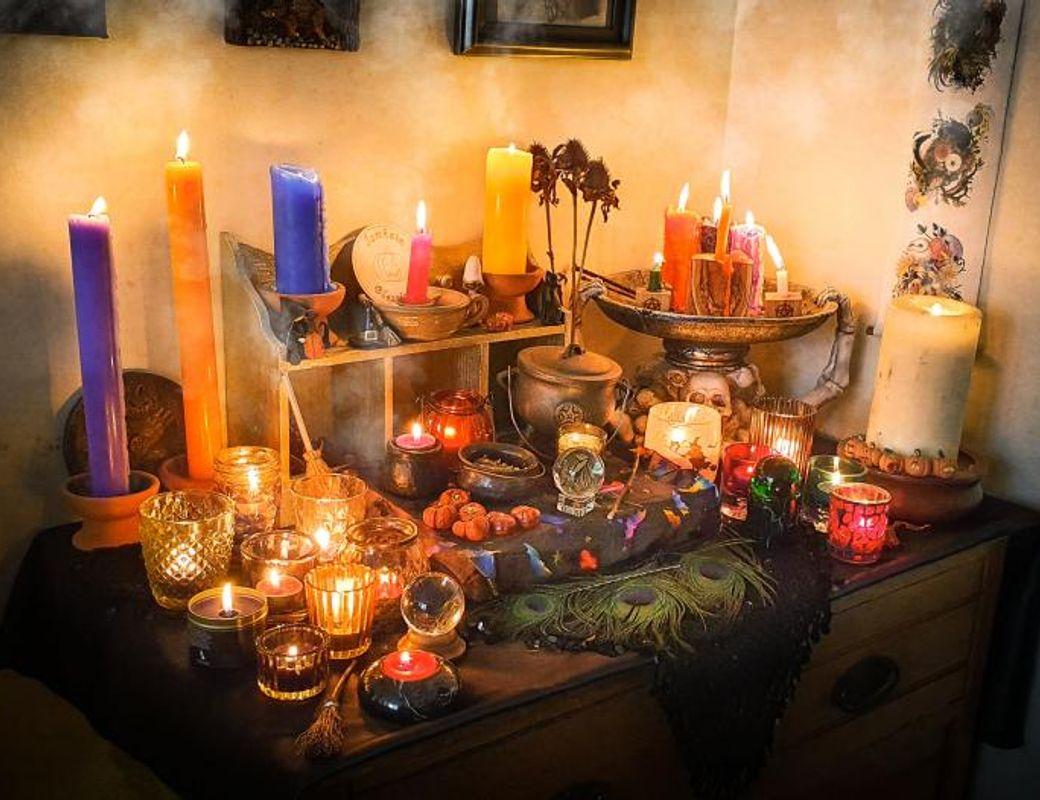
Candle magic is one of the most commonly practiced forms of spellwork, in part because it is both familiar and versatile. Candles appear in religious rituals, folk traditions, and everyday spiritual practice, often used to mark intention, offer prayer, or create a sense of focus. The use of flame has long been associated with transformation and communication with the unseen, and candle magic grows naturally out of this relationship. By working with fire in a controlled and intentional way, practitioners give form to their goals and create a clear beginning and end to a working.
At its simplest, candle magic involves choosing a candle, setting an intention, and allowing the candle to burn as that intention is held in mind. What gives the practice depth is the way symbolism and preparation are layered into the process. Color, timing, oils, and other materials are used to support the purpose of the working, while the burning candle itself becomes a point of attention. The flame offers feedback through its behavior, and the way the candle burns over time can provide insight into how the working is unfolding. These observations are not about predicting outcomes so much as developing awareness and consistency in practice.
This article provides an overview of candle magic as a practical and adaptable system. It introduces common color meanings, discusses the use of oils and complementary tools, and explains how practitioners often interpret flame behavior, smoke, and wax. It also looks at the different ways candle magic can be used, from everyday intention-setting to more focused ritual work. The goal is not to present a single “correct” method, but to give readers a clear framework they can build on, refine, and personalize as their own practice develops.
Fire as Foundation: Why Candle Magic Works
Fire is central to candle magic because it is inherently active. Unlike earth, which stabilizes, or water, which flows and absorbs, fire changes whatever it touches. It consumes, illuminates, and transforms; it turns solid wax into liquid, liquid into vapor, and intention into motion. This transformative quality is why fire has long been viewed as a bridge between worlds, capable of carrying prayers, offerings, and focused will beyond the physical act that initiates them. In candle magic, the flame is not symbolic alone; it is participatory.
Across cultures and traditions, fire has been used to mark sacred moments and spiritual thresholds. Temple lamps burned continuously as offerings to the divine. Hearth fires protected homes and anchored family life. Candles were lit for the dead, for the sick, for the hopeful, and for the grieving. These practices share a common understanding: fire holds attention. When a candle is lit, awareness naturally gathers around it. The flame becomes a point of focus, drawing the mind out of distraction and into intention. Candle magic builds on this principle, using the flame as both anchor and agent within a ritual context.
What makes candle magic particularly effective is the way fire introduces time into a working. A candle does not act all at once; it burns gradually, allowing intention to be sustained rather than released and forgotten. As the flame continues, energy is held, adjusted, and reinforced. This is why candle magic is often used for ongoing intentions rather than instantaneous results. The slow consumption of wax mirrors the gradual movement of circumstances, emotional states, or internal shifts. Watching the candle burn encourages patience and attentiveness, qualities that strengthen any magical practice.
Fire also provides immediate feedback. A strong, steady flame suggests focus and alignment, while an erratic or struggling flame may point to distraction, resistance, or competing influences. Smoke, heat, and sound add further layers of observation. These responses are not interpreted as absolute signs of success or failure, but as part of an ongoing dialogue between practitioner, materials, and intention. Candle magic trains practitioners to notice these subtle exchanges, reinforcing the idea that magic is an interaction rather than a command.
In candle magic, fire serves as both tool and teacher. It demonstrates how energy moves, how intention requires maintenance, and how transformation unfolds through process rather than force. By working consistently with flame, practitioners learn not only how to direct energy outward, but how to regulate focus, timing, and presence within their own practice. This foundational relationship with fire is what allows candle magic to remain both simple in form and complex in application.
Candles as Magical Tools: Form, Wax, and Function
Although candle magic is often described as a simple practice, the candle itself is a deliberate and adaptable magical tool. Its composition, shape, and burn time all influence how intention is expressed and sustained within a working. Choosing a candle is not a neutral act; it is the first point of alignment between purpose and material form. When practitioners understand how different candles behave, they can select tools that support the rhythm and focus of the spell rather than working against it.
Wax Types and Energetic Behavior
The type of wax used in a candle affects both its physical burn and its role within a magical working. Beeswax candles, long associated with sacred labor and ritual purity, burn cleanly and consistently. They are often chosen for devotional work, ancestor veneration, or spells that benefit from steadiness and continuity. Soy wax burns more slowly and at a lower temperature, creating a gentler flame that suits emotional healing, restorative magic, or intentions that unfold gradually over time.
Paraffin wax, widely available and commonly used, is often treated as energetically neutral. This neutrality can be useful, especially in practical or folk magic, where the practitioner’s intention, oils, and symbols are meant to take precedence. A paraffin candle dressed for prosperity or protection functions just as effectively as any other, provided it is chosen and prepared with clarity. What matters most is not the perceived hierarchy of materials, but how well the candle supports the nature of the working.
Candle Forms and Symbolic Function
Beyond wax type, the physical form of a candle shapes how it is used. Taper candles are narrow and focused, making them well suited for altar work and intentions that require precision or directional flow. Pillar candles burn for longer periods and are commonly used for ongoing spells, such as maintaining protection over a home or supporting long-term goals. Their extended burn allows intention to remain active over time rather than being released all at once.
Smaller candles, such as chime candles and tealights, offer flexibility. Their shorter burn time makes them ideal for daily rituals, repeated workings, or spells that build momentum through consistency. For example, lighting a small candle each morning while reinforcing a single intention can be more effective than relying on one prolonged ritual. The repetition itself becomes part of the magic.
Figure candles introduce an additional layer of symbolism by representing a person, relationship, or specific condition. These candles are often used in representational magic, where focus and ethical clarity are especially important. Glass-encased novena candles, frequently used in devotional practices, are designed for extended burns and sustained prayer. Each form offers a different way of holding intention, and the choice of shape reinforces how the practitioner engages with the work.
Size, Burn Time, and the Role of Duration
Burn time plays a subtle but significant role in candle magic. A candle that burns quickly concentrates energy into a short window, making it suitable for decisive actions or moments of release. Longer-burning candles allow intention to be sustained, observed, and reinforced. This distinction becomes especially important when working with goals that require patience or gradual change.
Selecting a candle based on duration is itself an act of intention. A practitioner seeking clarity before an important conversation may choose a small candle that completes its burn in one sitting, while someone working through grief or transition may maintain a candle over several evenings. In this way, the physical lifespan of the candle mirrors the emotional or energetic timeline of the working.
Understanding candles as tools rather than accessories encourages thoughtful choice. Wax type, form, size, and burn duration work together to shape how a spell unfolds, influencing focus, timing, and engagement. When selected with care, the candle becomes more than a source of light; it becomes an active participant in the magical process, supporting both the structure of the ritual and the intention behind it.
Candle Color and Symbolic Correspondence
Color is often the first feature noticed when selecting a candle, and in candle magic it functions as a primary layer of symbolism. Color provides immediate context for a working, establishing intention before the candle is ever lit. While specific correspondences vary across traditions, the use of color in magical practice follows a shared logic: visual symbolism reinforces mental focus. When intention and color align, the working gains clarity and coherence.
Color in candle magic does not operate as a rigid rule system but as a shared symbolic language. Much like words, colors carry meaning through repeated use and cultural association. Over time, these meanings become intuitive. Choosing a candle color is therefore less about correctness and more about resonance. A color that clearly reflects the goal of the working helps narrow attention, reducing distraction and strengthening focus throughout the ritual.
White and Black: Foundation and Polarity
White and black candles are often treated as foundational tools within candle magic. White candles are associated with clarity, purification, protection, and spiritual focus. They are commonly used when a practitioner seeks simplicity or neutrality, or when the goal of the working spans multiple intentions. In many traditions, white candles serve as universal substitutes, particularly when other colors are unavailable. For example, a white candle may be used for healing, peace, or spiritual insight, allowing intention to take precedence over specificity.
Black candles are frequently misunderstood, yet they play an essential role in magical practice. Rather than representing harm, black is associated with absorption, protection, and removal. Black candles are often used for banishing, uncrossing, boundary-setting, and shadow work. When a practitioner lights a black candle to release unhealthy patterns or protect against unwanted influence, the color reinforces the act of containment and release. The symbolism of black supports the psychological and energetic process of clearing rather than creating.
Warm Colors: Action, Energy, and Movement
Warm-colored candles are typically associated with action and outward movement. Red candles are linked to vitality, passion, courage, and physical energy. They are often used in workings related to strength, motivation, desire, or assertiveness. A practitioner seeking renewed confidence may work with a red candle, focusing on reigniting personal drive rather than external outcome alone.
Orange candles carry associations of creativity, opportunity, and adaptability. They are frequently used in spells related to success, attraction, or problem-solving, particularly when flexibility is required. Yellow candles, associated with intellect and communication, are commonly used for clarity, learning, and self-expression. Lighting a yellow candle before studying, writing, or important conversations helps reinforce mental focus and articulate intention.
Cool Colors: Emotion, Healing, and Stability
Cool-colored candles are often used for emotional and restorative work. Blue candles are associated with calm, healing, truth, and communication. They are commonly chosen for spells involving emotional balance, honest dialogue, or peaceful resolution. A practitioner seeking harmony within a relationship may use a blue candle to support open communication rather than confrontation.
Green candles are strongly connected to growth, abundance, and renewal. While often associated with financial prosperity, green is equally relevant to healing and fertility, both physical and symbolic. Working with a green candle to support personal growth emphasizes patience and steady progress rather than immediate results. Pink candles, associated with affection and emotional healing, are commonly used for self-love, reconciliation, and gentle relationship work. Their softer symbolism encourages care and emotional honesty.
Spiritual and Liminal Colors
Certain colors are often reserved for spiritual or liminal workings. Purple candles are associated with intuition, spiritual authority, and inner wisdom. They are commonly used in meditation, divination, or work involving personal power. Gold and silver candles are frequently used to represent solar and lunar energy, success and intuition, or divine masculine and feminine principles. These colors are often chosen for devotional work or rituals that emphasize balance between action and reflection.
Brown candles, though less commonly discussed, play an important grounding role. They are associated with stability, home, and practical concerns. Brown candles are often used for household protection, animal-related workings, or situations that require steady support rather than dramatic change.
Working with Color Intentionally
The effectiveness of color in candle magic lies in its ability to reinforce intention visually and symbolically. Selecting a candle color encourages the practitioner to clarify the goal of the working before beginning. For instance, choosing between a green candle for financial stability and a gold candle for recognition and success forces a distinction between different forms of abundance. This act of choice strengthens focus and prevents diffuse intention.
Color should support the working, not overshadow it. When chosen thoughtfully, candle color becomes a quiet but powerful ally, reinforcing purpose from the moment the flame is lit until the candle completes its burn. Over time, practitioners develop personal associations that complement traditional correspondences, allowing color to function as both shared language and individual expression within candle magic.
Dressing a Candle: Oils, Herbs, and Intentional Preparation
Dressing a candle is the process of preparing it to carry a specific intention. While a candle can be used on its own, dressing adds focus and direction, turning a neutral object into a tool shaped by purpose. This preparation is not about complexity for its own sake, but about clarity. Each action taken before the candle is lit reinforces the goal of the working and establishes a deliberate transition from everyday activity into ritual space.
At its simplest, dressing a candle involves anointing it with oil. Oils act as both symbolic and sensory anchors, linking intention to scent, touch, and memory. The oil chosen often reflects the nature of the working. Lavender oil is frequently used for calm, emotional healing, and peaceful resolution. Frankincense supports spiritual focus, purification, and devotional work. Patchouli is commonly associated with grounding and prosperity, making it a frequent choice for stability or abundance-related spells. Cinnamon oil is used to introduce heat and momentum, often selected when speed, motivation, or assertive energy is needed. In each case, the oil does not replace intention; it reinforces it by engaging multiple senses at once.
Anointing and Directional Movement
How oil is applied to a candle carries symbolic weight. Directional movement aligns physical action with the desired outcome. When drawing something toward oneself, such as love, opportunity, or clarity, oil is typically applied from the top of the candle toward the base. When releasing or banishing, the movement is reversed, working from the base upward and away. Some practitioners anoint from the center outward in both directions when seeking balance, healing, or stabilization.
This movement turns preparation into embodied intention. For example, someone working to release lingering emotional tension may anoint a blue candle from the base upward, visualizing stress lifting as the oil is applied. The repetition of motion reinforces the goal before the candle is ever lit, grounding abstract desire in deliberate physical action.
Herbs, Powders, and Symbolic Additions
Herbs and powders introduce an additional layer of correspondence, often reinforcing what the oil has already established. Dried herbs may be lightly pressed onto an oiled candle or placed around its base, depending on safety and preference. Rosemary is frequently used for protection, clarity, and mental focus. Basil is associated with prosperity and opportunity. Chamomile supports peace, patience, and emotional ease. Bay leaf is often linked to success and intention-setting, particularly when paired with written petitions.
Simplicity remains important. A single herb chosen with care often carries more weight than a complex blend assembled without clear purpose. A green candle dressed with oil and surrounded by basil communicates a clear prosperity intention. A white candle paired with rosemary reinforces protection and clarity. In this way, herbs act as visual reminders, keeping the intention present throughout the burn.
Carving, Inscription, and Common Symbols
Carving symbols, words, or markings into a candle gives intention a visible and lasting form. This practice externalizes the goal of the working, allowing it to remain present as the candle burns. Names, dates, or short phrases are commonly used, but many practitioners prefer symbols that carry layered meaning.
Common carved symbols include hearts for love or emotional healing, circles for protection and continuity, crosses or equal-armed crosses for balance and spiritual alignment, and arrows to represent direction or movement. Sigils, whether traditional or personally created, are often carved to condense intention into a single visual form. Some practitioners carve words repeatedly around the candle, reinforcing focus through repetition rather than decoration.
The act of carving encourages clarity. Writing or carving forces the practitioner to define the working precisely. Vague language often reveals uncertainty, while clear symbols reflect deliberate intention. The candle becomes a physical record of the goal, steadily consumed as the working unfolds.
Dressing as a Ritual Act
Dressing a candle is most effective when treated as part of the ritual itself rather than a preliminary task. The pace is intentional, attention is sustained, and distractions are minimized. Each step, choosing materials, applying oil, placing herbs, carving symbols, reinforces presence and focus. By the time the candle is lit, the intention has already been clarified, embodied, and symbolically anchored.
This process teaches patience and responsibility. Candle magic does not begin with flame alone, but with preparation. Dressing a candle reminds practitioners that effective magic is built through layered intention and conscious action, long before the fire is struck. Through this deliberate preparation, the candle becomes not just a tool, but a vessel shaped by purpose.
Pairing Candles with Crystals: Amplification and Energetic Support
Pairing candles with crystals introduces an additional layer of focus and stability to candle magic. While the candle carries intention through flame and duration, crystals serve as steady anchors, holding and reinforcing the energetic pattern established by the working. This relationship is complementary rather than hierarchical. The candle initiates movement, while the crystal maintains coherence, helping the intention remain clear and contained as the spell unfolds.
Crystals are not required for effective candle magic, but when used intentionally, they offer consistency. Unlike wax, which changes as it burns, crystals remain physically unchanged. This stability makes them especially useful in workings that require grounding, amplification, or emotional balance. Placed near a candle, a crystal acts as a quiet companion to the flame, supporting the intention without competing for attention.
Choosing Crystals by Purpose
Selecting a crystal begins with the goal of the working. Clear quartz is often chosen for its versatility and amplifying qualities, making it suitable for nearly any candle color or intention. Paired with a white or yellow candle, clear quartz reinforces clarity, focus, and mental organization, particularly in communication or decision-making work.
Amethyst is commonly used in spiritual or introspective candle magic. When paired with a purple or blue candle, it supports meditation, intuition, and emotional regulation. Moonstone is frequently chosen for lunar workings, emotional cycles, and new beginnings. Placed beside a silver, white, or pale blue candle, moonstone supports reflection, inner awareness, and gradual change, making it especially useful during New Moon or Full Moon rituals.
Rose quartz is often used alongside pink or red candles in workings related to love, self-compassion, and emotional healing. Green aventurine is commonly paired with green candles for prosperity, opportunity, and personal growth. While often associated with financial luck, green aventurine is equally useful in encouraging confidence and forward movement, particularly when a working involves stepping into new circumstances rather than seeking immediate reward.
Grounding, Protection, and Stability
Certain crystals are chosen specifically for grounding and protective purposes. Black tourmaline, obsidian, and smoky quartz are frequently paired with black or brown candles during banishing, protection, or boundary-setting work. These stones are valued for their ability to absorb excess or unwanted energy, providing a sense of containment and stability as the candle burns.
For example, a practitioner working to release lingering stress or external influence may place smoky quartz near a black candle, focusing on drawing unwanted energy away from the self and into the earth. The candle initiates the release, while the crystal supports grounding, reinforcing a sense of closure as the working completes.
Hematite and red jasper are also commonly used for grounding, particularly when emotional intensity is present. Paired with red or brown candles, these stones support physical presence and emotional steadiness, helping prevent burnout or energetic overwhelm during more demanding workings.
Placement and Practical Considerations
How crystals are placed in relation to the candle matters. Crystals are typically positioned near the candle rather than directly touching it, both for safety and symbolic clarity. They may be placed at the base of the candle holder, arranged in a small formation, or aligned intuitively according to the practitioner’s preference. The goal is balance, not decoration.
In longer or ongoing workings, crystals may remain in place after the candle has finished burning. A crystal used during a prosperity or confidence working might later be kept on an altar, carried, or placed in a workspace, extending the intention beyond the ritual itself. In this way, the crystal continues to serve as a reminder and energetic anchor.
Working with Crystals Intentionally
As with all tools in candle magic, crystals are most effective when used deliberately. Choosing one or two stones with a clear purpose often produces stronger results than surrounding a candle with many crystals without defined intention. Repeated use builds familiarity, allowing the practitioner to recognize how certain stones respond in specific types of work.
Pairing candles with crystals encourages discernment and restraint. It reinforces the idea that effective magic is built through thoughtful combination rather than excess. When used with care, crystals do not complicate candle magic; they refine it, supporting the flame while allowing intention to move with clarity, balance, and purpose.
Timing Candle Magic: Working with Cycles and Natural Rhythms
Timing in candle magic is not about rigid rules, but about awareness. While a candle can be lit whenever intention is clear, many practitioners choose to work with natural cycles to strengthen focus and coherence. Time provides context. When a working aligns with broader rhythms, such as lunar phases, days of the week, or seasonal shifts, the intention often feels more grounded and deliberate.
Fire itself is a temporal element. A candle burns for a defined duration, creating a clear beginning, middle, and end. By choosing when that burn occurs, the practitioner situates the working within a larger energetic pattern. Timing does not determine success, but it can influence tone, momentum, and emotional clarity throughout the ritual.
Lunar Phases and Candle Work
The Moon is one of the most commonly used timing systems in candle magic because of its visible and cyclical nature. Each phase reflects a different energetic emphasis. The New Moon is associated with beginnings, intention-setting, and internal focus. Candles lit during this phase are often used for planning, goal-setting, or planting the seed of a longer working. A practitioner seeking clarity around a new project might light a white or yellow candle during the New Moon, focusing on defining direction rather than immediate results.
The Waxing Moon, as the Moon grows in light, is commonly associated with increase and momentum. Candle magic during this phase often focuses on growth, attraction, and development. For example, a green candle dressed for prosperity and paired with green aventurine may be lit during the Waxing Moon to support gradual financial or professional expansion.
The Full Moon emphasizes culmination and illumination. Candle workings during this phase often center on empowerment, clarity, or emotional insight. Because energy can feel heightened, Full Moon candle magic is frequently shorter and more focused. The Waning Moon, by contrast, is associated with release and reduction. Candles lit during this phase are often used for letting go, breaking habits, or clearing stagnant energy.
Days of the Week and Planetary Associations
Some practitioners also time candle magic according to the days of the week, each traditionally associated with a planetary influence. These associations offer another layer of symbolism rather than a strict requirement. For instance, Friday is often linked to Venus and is commonly chosen for love, beauty, and harmony work. Lighting a pink candle on a Friday for self-love or relational healing aligns the intention with the day’s traditional emphasis.
Tuesday, associated with Mars, is frequently used for courage, motivation, or assertive action. A red candle lit on a Tuesday might support a working focused on confidence or boundary-setting. Saturday, traditionally linked to Saturn, is often chosen for protection, discipline, or endings, making it a common choice for banishing or long-term commitments.
Seasonal and Personal Timing
Beyond lunar and planetary systems, seasonal timing also plays a role in candle magic. The energy of the year naturally shifts, influencing how intentions are experienced. Spring is often associated with renewal and growth, while autumn lends itself to release and reflection. Lighting a candle for personal transformation may feel different in early spring than it does in late fall, even if the materials remain the same.
Personal timing is equally important. A working performed when the practitioner feels centered and present often carries more clarity than one done at an “ideal” time while distracted or emotionally overwhelmed. For example, lighting a grounding candle during a quiet evening may be more effective than waiting for a specific lunar phase if immediate stability is needed.
Using Timing as Support, Not Limitation
Timing in candle magic should support intention, not restrict it. These systems are best understood as frameworks rather than rules. Over time, practitioners often notice patterns in how timing affects their work, refining their approach through observation rather than adherence to external expectations.
By paying attention to cycles, both natural and personal, candle magic becomes more intentional and responsive. Timing adds depth, helping the practitioner understand not only what they are working toward, but when that work is best initiated, nurtured, or released.
Reading the Flame, Smoke, and Wax: Interpreting Candle Behavior
One of the most distinctive aspects of candle magic is the way the candle itself becomes a source of feedback. As a candle burns, the flame, smoke, and melting wax offer visual cues that many practitioners observe and interpret. These signs are not meant to predict outcomes in a fixed or absolute way. Instead, they provide insight into how the working is moving, where resistance may be present, or how energy is interacting with the intention set.
Interpreting candle behavior requires patience and context. A single sign rarely carries meaning on its own. The way a candle burns must be considered alongside the intention, the environment, and the emotional state of the practitioner. Over time, repeated observation builds familiarity, allowing these cues to be understood as part of an ongoing dialogue rather than isolated symbols.
Flame Behavior and Its Meaning
The flame is often the first element practitioners notice. A steady, even flame is commonly associated with focus, clarity, and smooth energetic flow. In a simple intention-setting working, such a flame may indicate that the intention has been clearly stated and is being carried without interference.
A tall or vigorous flame is frequently interpreted as strong energy or heightened activity surrounding the working. For example, a practitioner performing a confidence or motivation spell may observe a bright, active flame, suggesting engagement and momentum. However, intensity does not always imply ease. In some cases, a highly active flame can reflect emotional charge or external pressure, emphasizing the need for grounding rather than acceleration.
A low or flickering flame is often associated with hesitation, distraction, or competing influences. This does not indicate failure. Instead, it may suggest that the intention requires refinement or that conditions are not yet fully aligned. A flickering flame during a clarity working, for instance, may reflect internal uncertainty rather than external resistance.
Smoke Patterns and Direction
Smoke is another element commonly observed, particularly when extinguishing a candle or during workings that involve release. Clean, minimal smoke is often interpreted as smooth energetic movement or resolution. Thick or lingering smoke may suggest that the working is engaging deeper emotional or energetic layers.
The direction in which smoke travels is sometimes noted. Smoke rising straight upward is often associated with clear transmission of intention, while smoke drifting sideways may suggest external influence or unresolved factors. For example, in a release working performed during the Waning Moon, heavy smoke that lingers before dissipating may indicate that the issue being addressed is complex and requires patience rather than immediate closure.
It is important to consider practical factors, such as air currents or wick quality, before assigning meaning. Observational interpretation works best when grounded in awareness rather than assumption.
Wax Flow and Residue
Wax behavior provides longer-term insight, as it reflects how the candle has burned over time. Smooth, even wax pools are commonly associated with balance and consistency. Excessive dripping or uneven wax flow may be interpreted as energetic imbalance or emotional overflow, particularly in emotionally charged workings.
Wax forming shapes or pooling on one side of the candle is often noted, though interpretation should remain flexible. A candle dressed for protection that leaves heavy wax residue on one side may suggest the presence of a specific area of concern rather than generalized resistance. In contrast, a candle that burns cleanly to the end with minimal residue is often associated with completion or resolution.
Some practitioners choose to observe wax only after the candle has fully burned, while others note changes throughout the process. Both approaches emphasize reflection rather than prediction.
Context, Consistency, and Discernment
Reading candle behavior is not a substitute for intention or action. These signs function as indicators, not instructions. A working that shows resistance may still be effective, while a clean burn does not guarantee immediate results. Meaning emerges through consistency, repetition, and personal experience.
By observing flame, smoke, and wax with discernment, practitioners deepen their understanding of how candle magic responds to intention. These observations encourage mindfulness and adaptability, reinforcing candle magic as an interactive practice rather than a static ritual. Over time, this attentiveness strengthens confidence, allowing the practitioner to adjust, refine, and respond with greater clarity.
Types of Candle Magic: Forms, Focus, and Application
Candle magic is not a single method, but a broad category that includes many approaches, each shaped by intention, duration, and level of complexity. Understanding the different types of candle magic helps practitioners choose a method that matches both their goal and their circumstances. Some workings are brief and reflective, while others unfold gradually over time. The difference lies not in effectiveness, but in purpose and pacing.
These types are best understood as frameworks rather than strict classifications. Many practitioners blend methods naturally as their practice evolves. Still, recognizing the underlying structure of each type provides clarity and confidence, especially when determining how much preparation, attention, and follow-through a working requires.
Single-Burn Candle Workings
Single-burn candle magic is one of the most accessible forms of practice. In this approach, the candle is lit, the intention is set, and the working is completed within a single session. These workings are often used for clarity, emotional grounding, or immediate focus.
For example, lighting a white candle during a quiet evening to focus on mental clarity before an important decision is a common single-burn working. The candle is allowed to burn for a set period, or safely extinguished once the intention feels complete. This type of candle magic emphasizes presence and mindfulness rather than long-term energetic buildup.
Multi-Day or Gradual Workings
Some intentions benefit from repetition and sustained attention. Multi-day candle magic involves lighting the same candle over several sessions, often at the same time each day. This method is commonly used for goals that require patience, consistency, or personal change.
A practitioner working on confidence or habit formation might light a candle each evening for several days, reinforcing the intention through repetition. Each lighting renews focus, while the gradual consumption of the candle mirrors the unfolding process of the goal itself. This approach encourages reflection and adjustment rather than urgency.
Layered or Correspondence-Based Workings
Layered candle magic incorporates multiple symbolic elements, such as color, timing, oils, herbs, or crystals, to support a specific intention. This type of working is not inherently more powerful, but it allows for greater nuance and personalization.
For instance, a prosperity working might involve a green candle lit during the Waxing Moon, paired with green aventurine and dressed with an oil associated with growth. Each element reinforces the same theme, creating cohesion rather than complexity. The strength of this method lies in alignment, not accumulation.
Release and Banishing Workings
Release-focused candle magic emphasizes reduction, closure, or clearing rather than attraction. These workings are often performed during the Waning Moon or at transitional moments. Black, brown, or dark-colored candles are commonly used, though color choice remains symbolic rather than prescriptive.
An example might include lighting a black candle to release lingering resentment or anxiety. The practitioner focuses on acknowledging what is being let go, rather than suppressing it. As the candle burns down, attention is placed on closure and grounding, reinforcing the intention to move forward rather than remain engaged with what is being released.
Devotional and Meditative Candle Work
Not all candle magic is goal-oriented. Devotional or meditative candle work focuses on connection, reflection, or spiritual presence rather than change. In these workings, the candle serves as a focal point for contemplation or prayer.
Lighting a candle during meditation, ancestor veneration, or devotional practice allows the flame to anchor attention. The intention is not to influence outcome, but to deepen awareness. This form of candle magic highlights the practice’s versatility, reminding practitioners that effectiveness is not always measured by tangible results.
Choosing the Appropriate Type
Selecting the right type of candle magic depends on clarity of intention and personal rhythm. A simple concern may require only a single-burn working, while a deeper or ongoing issue may benefit from repetition or layering. Understanding these distinctions helps prevent overcomplication and encourages intentional practice.
By recognizing the different forms candle magic can take, practitioners are better equipped to choose methods that support their goals with balance and discernment. Candle magic, at its core, adapts to the practitioner, not the other way around.
Integrating Candle Magic into Everyday Practice
Candle magic does not need to exist only within formal rituals or carefully structured spellwork. One of its strengths lies in its adaptability. When integrated into everyday routines, candle magic becomes less about performance and more about attentiveness. The act of lighting a candle can mark intention in small, consistent ways, creating continuity between spiritual practice and daily life.
In everyday use, candle magic often becomes quieter. A candle lit in the morning to set focus for the day, or in the evening to release mental tension, carries the same foundational principles as a formal working. The difference lies in scale rather than substance. Intention remains central, while complexity is intentionally reduced.
Candle Magic as a Habitual Practice
Using candle magic regularly helps develop awareness and consistency. For example, lighting a white or pale blue candle during a nightly wind-down routine can reinforce relaxation and emotional grounding. Over time, the repeated association between the candle and the desired state strengthens the effect, making the practice both symbolic and practical.
Similarly, a practitioner may choose to light a candle before journaling, meditation, or creative work. The flame serves as a visual cue that attention is being directed inward. In this context, candle magic functions as a transitional tool, helping shift focus from external demands to internal clarity.
Seasonal and Situational Use
Everyday candle magic can also respond to situational needs. During periods of stress or uncertainty, grounding candles may be used more frequently, while times of growth or motivation may call for candles associated with clarity or momentum. This responsiveness keeps the practice dynamic rather than habitual in a stagnant sense.
For instance, lighting a grounding candle during a challenging week does not require formal preparation. The practitioner acknowledges the need for stability and uses the candle as a focal point for that intention. In this way, candle magic becomes a form of emotional literacy, recognizing and responding to internal states without judgment.
Maintaining Simplicity and Intentionality
Integrating candle magic into daily life works best when simplicity is prioritized. Not every candle needs to be dressed, timed, or interpreted. In fact, over-structuring everyday practice can dilute its effectiveness. A single candle, chosen with care and used consistently, often carries more meaning than an elaborate setup performed without presence.
This approach reinforces discernment. Practitioners learn when a simple act is sufficient and when a more structured working is appropriate. Candle magic becomes a flexible tool rather than an obligation, supporting balance rather than adding pressure.
Building Relationship Through Repetition
Over time, everyday candle use builds familiarity. Practitioners begin to recognize how different candles feel in use, how flame behavior shifts in various environments, and how intention changes with repetition. This relationship-based understanding is often more valuable than correspondence charts or rigid rules.
By integrating candle magic into daily life, the practice becomes sustainable. It adapts to changing circumstances, supports emotional regulation, and reinforces intention through presence rather than complexity. Candle magic, in this form, becomes a companion rather than a performance.
Conclusion: Candle Magic as an Intentional Practice
Candle magic is both accessible and profound. Through flame, wax, color, timing, and observation, it offers a structured yet adaptable way to work with intention. Whether used in simple daily practices or more focused ritual settings, candle magic emphasizes clarity, awareness, and personal responsibility.
This article has explored candle magic from its foundational principles to its practical applications. By understanding the role of fire, choosing appropriate tools, working with color and timing, interpreting candle behavior, and selecting methods that align with specific goals, practitioners gain a framework that supports consistency rather than rigidity. The practice encourages observation over assumption and refinement over excess.
At its core, candle magic is about relationship. The relationship between intention and action, between attention and outcome, and between the practitioner and the tools they choose to work with. When approached thoughtfully, candle magic becomes less about controlling results and more about participating consciously in one’s own process of change, reflection, and growth.
By keeping the practice intentional, adaptable, and grounded, candle magic remains a meaningful and sustainable part of spiritual work, capable of evolving alongside the practitioner who lights the flame.
Responses
No responses yet — start the conversation.
More from the Magazine
Your Witchcraft Doesn't Need to Cost More Than Your Grocery Bill
Build a meaningful practice with ordinary objects, intentional actions, and what you already own.

The Owl - Secrets of Wisdom
The symbolism of the nocturnal bird in mythology, magic, and spiritual practices
How to Attract and Maintain Positive Energy
In Your Home and Other Spaces