𝓜𝓪𝓫𝓸𝓷 🍎🕯️
𝚆𝚒𝚝𝚌𝚑𝚎𝚜' 𝚃𝚑𝚊𝚗𝚔𝚜𝚐𝚒𝚟𝚒𝚗𝚐
Article · 5 min read · ·
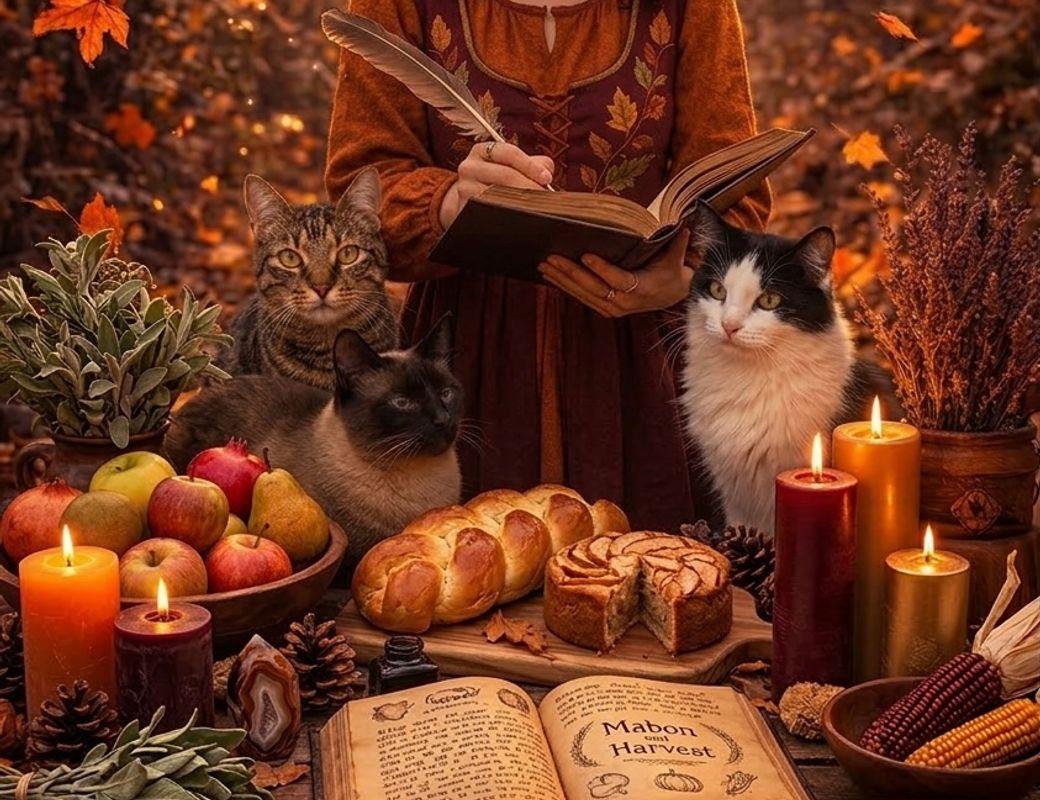
As summer's warmth begins to soften and the wind carries a gentle scent of damp earth and dry leaves, nature enters one of its most symbolic times of the year. It's at this quiet turning point in the cycle that we reach Mabon, the sabbat celebrating the March Equinox and marking the beginning of autumn in the Southern Hemisphere.
Mabon is one of the eight sacred festivals of the ancient Celtic Wheel of the Year—a spiritual calendar that follows the cycles of Earth, Sun, and life itself. Among these rituals are also festivals like Ostara and Yule, each representing a specific moment in light's journey throughout the year.
But Mabon holds a special place in this cycle.
It represents the exact point where light and darkness meet in balance.
During the equinox, day and night are nearly equal in length. It's a rare moment when neither force dominates the other. From this point forward, however, the nights slowly begin to lengthen, leading the world toward winter's introspection.
In Earth-based spirituality, this balance carries a profound teaching: everything in life is cyclical. Abundance gives way to withdrawal, expansion makes room for silence, and light learns to coexist with shadow.
⸻
Mabon: the festival of harvest and balance
The name Mabon is associated with the Welsh mythological figure Mabon ap Modron, a young solar deity connected to renewal and vital energy. However, the roots of this festival reach even further back, to Celtic and Druidic traditions that celebrated Earth's agricultural cycles.
Historically, Mabon marks the time of the second harvest. It's the moment when ripened fruits are gathered, grains are stored, and communities prepare to weather the colder months ahead.
For this reason, it has also become known as the Harvest Festival or, in some modern pagan traditions, "Witches' Thanksgiving."
The apple has become one of the great symbols of this celebration. When cut in half, its seeds reveal the shape of a star—an ancient symbol of wisdom, renewal, and spiritual protection.
But Mabon doesn't only celebrate the harvest of the earth.
It also celebrates the harvest of the soul.
This sabbat invites us to look back and observe everything we've cultivated throughout the year: projects begun, relationships built, lessons learned, challenges faced.
Some fruits are sweet. Others carry more difficult flavors.
Still, all are part of life's ripening process.
This is why Mabon is considered a festival of gratitude. Unlike other rituals on the wheel of the year, it isn't a time focused on requests or wishes. Instead, it's an occasion to acknowledge and give thanks for everything already received.
In the spiritual symbolism of autumn, trees also teach a silent lesson.
When the days begin to shorten, many species let their leaves fall. This gesture isn't loss—it's survival. By releasing what's excess, the tree preserves energy to weather the winter.
Mabon reminds us that sometimes, evolving also means learning to let go.
⸻
Mabon Ritual: a rite of gratitude and release
Celebrating Mabon is a way to reconnect with Earth's natural rhythms and with the cycles of our own existence.
Traditionally, the rituals of this sabbat are led by initiated priests or priestesses, as they involve deep ceremonial practices. However, it's also possible to create a simple and meaningful celebration at home.
What matters most is intention.
Materials for the ritual
To honor Mabon's energy, you can prepare a small altar with elements connected to autumn and the harvest:
- dry leaves or branches
- apples or other seasonal fruits
- corn ears, seeds, or grains
- candles in autumn colors (orange, burgundy, brown, or gold)
- crystals like agate, jasper, or tiger's eye
- herbs like sage, rosemary, or lavender
- bread or homemade cake
These elements represent Earth's abundance and help create a symbolic space of connection with nature.
⸻
Ritual steps
Begin by creating a peaceful environment. Turn off bright lights and light a candle on your altar.
Take a few deep breaths and allow your body to slow down.
Observe the elements around you and imagine that each one represents an aspect of Earth: the fertility of the soil, the generosity of trees, the silent wisdom of the seasons.
Next, reflect on your own harvest.
Ask yourself:
What has ripened in my life this past cycle?
What lessons have emerged along the way?
What fruits were born from my choices?
Give thanks mentally for each experience—including those that brought challenges. Often, these are the ones that offer the most transformative lessons.
After this moment of gratitude, write on a small piece of paper what you wish to leave behind: habits, emotional patterns, fears, or situations that are no longer part of who you're becoming.
Carefully burn the paper in the candle flame or tear it symbolically.
Imagine these energies being carried away by autumn's wind, making space for new cycles.
To close the ritual, cut an apple in half and observe the star formed by the seeds. Contemplate this symbol for a few moments.
It represents the inner light that continues alive within each human being—even as the days grow shorter.
If you wish, finish by sharing the bread or fruit with someone close to you, celebrating life's abundance.
⸻
Mabon isn't just a celebration of the harvest.
It's a profound reminder that life works in cycles.
Just as trees let their leaves fall to preserve energy, we too are invited to release what no longer makes sense. Just as Earth retreats before blooming again, the human soul also needs moments of introspection to be reborn.
By honoring Mabon, we honor this ancient wisdom of nature.
Gratitude for what was lived.
Release of what needs to leave.
And trust that after winter's silence, there will always be a new spring waiting to be born.
Light on your paths ☀︎︎
𝒫ℴ𝓇
𝒮𝒶𝓃𝓉 𖦹
Responses (7)

More from the Magazine

Your Witchcraft Doesn't Need to Cost More Than Your Grocery Bill
Build a meaningful practice with ordinary objects, intentional actions, and what you already own.

The Owl - Secrets of Wisdom
The symbolism of the nocturnal bird in mythology, magic, and spiritual practices
How to Attract and Maintain Positive Energy
In Your Home and Other Spaces