Learning Rune Divination
Unlocking Ancient Wisdom Through Symbols, Spirit, and Story
Article · 8 min read · ·
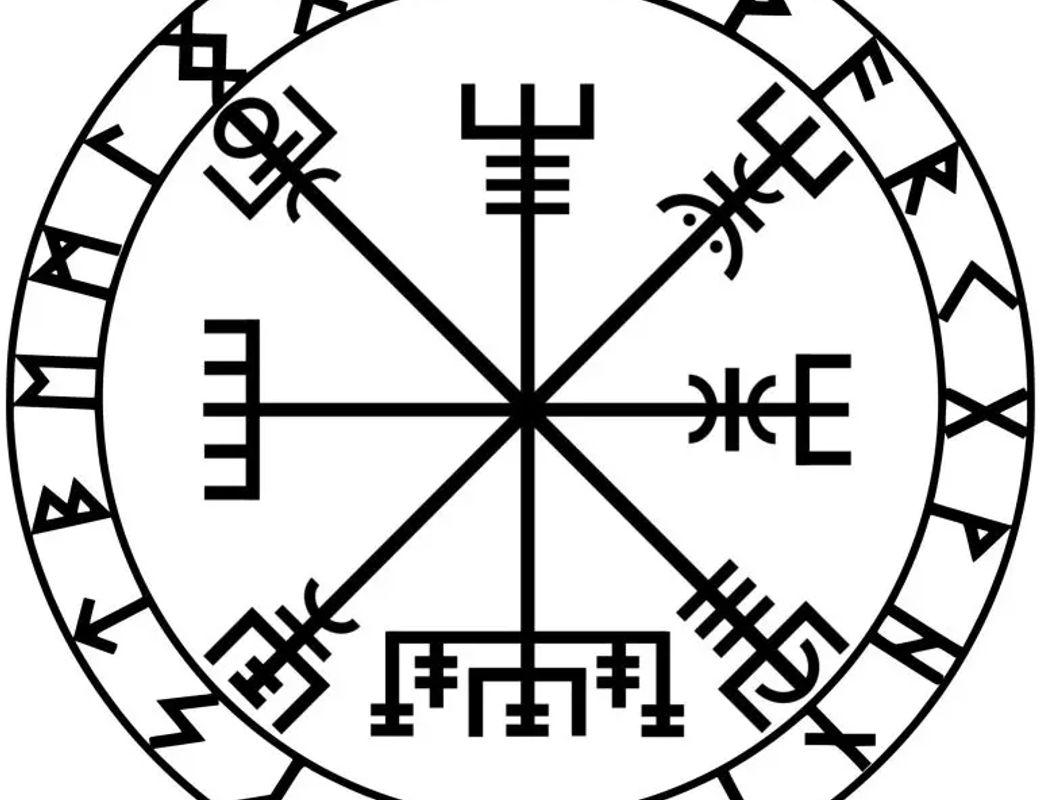
From the windswept plains of Northern Europe to the ritual circles of modern occultists, the practice of rune reading—often called runic divination—has captivated mystics and seekers for centuries. These ancient symbols, etched into stone, wood, and bone, hold deep spiritual meaning and offer a window into the minds and beliefs of the Nordic and Germanic peoples who once used them not just for writing, but for magic, protection, and prophecy.
To truly understand runes is to delve into a rich blend of mythology, culture, and spiritual insight. At the heart of this system lies a powerful origin story involving the Norse god Odin, the whose self-sacrifice brought runes into the world of men and gods alike.
⸻
Odin and the Birth of the Runes
The mythology behind runes is as profound as their meanings. According to the Norse Eddas, Odin, the Allfather and god of wisdom, willingly hung himself from the branches of Yggdrasil, the World Tree, in a sacrificial ritual that lasted nine days and nine nights. He pierced himself with his own spear, denied himself food and drink, and hovered between life and death. This self-imposed ordeal was an offering—not to another god, but to himself and to the cosmos—to gain divine knowledge.
Why did Odin endure this? Because he sought the secrets of the runes, which lay hidden in the depths of the universe, accessible only through great suffering and spiritual awakening. As he hung there, teetering between the worlds, the runes revealed themselves to him in a vision. These symbols were not just letters—they were the building blocks of fate, creation, and power. Odin then brought this knowledge back to the gods and to mankind.
This myth sets the tone for the significance of runes. They are not casual tools; they are the product of divine sacrifice and wisdom, and reading them is a sacred act of channeling insight from the unseen realms.
⸻
A Brief History of the Runes
Runes originated as alphabets used by the early Germanic tribes, especially the Norse and other Nordic peoples. The word “rune” comes from the Proto-Germanic root rūnō, meaning “secret” or “whisper.” While they served a phonetic purpose in writing, their symbolic meanings were just as—if not more—important. Runes weren’t merely letters; they were sacred sigils believed to hold magical power.
There are several different runic alphabets (or “futharks,” named after their first six letters: F, U, Þ, A, R, K):
- Elder Futhark (2nd–8th century CE): The oldest and most commonly used in divination today. It contains 24 characters.
- Younger Futhark (9th–12th century CE): Used during the Viking Age. It evolved into two main versions—long-branch and short-twig—but has only 16 characters.
- Anglo-Saxon Futhorc: An expanded version used in England, which included additional runes to reflect sounds in Old English.
While all of these were once used in both writing and magical rituals, the Elder Futhark has become the primary set for divination in modern occult practices because of its balanced structure and rich mythological associations.
⸻
Rune Names and Descriptions
List of Runes and Their Meanings
A traditional set of divination runes includes 24 characters from the Elder Futhark, plus an optional 25th blank rune—known as Odin’s Rune—added by some modern practitioners.
Here is a simplified overview of each:
- Fehu (F): Wealth, prosperity, and beginnings. This rune brings the energy of abundance, but also cautions about greed and maintaining integrity with your gains.
- Uruz (U): Strength, raw power, and primal energy. It signals vitality, endurance, and untamed life force.
- Thurisaz (Th): Challenge, protection, and reactive force. Like a thorn or giant, it can indicate defense or confrontation.
- Ansuz (A): Communication, wisdom, and divine messages. This rune is associated with speech, signs, and teachings.
- Raido (R): Movement, travel, and life’s journey. Whether physical or spiritual, it signals change and alignment.
- Kenaz (K): Light, creativity, and knowledge. It represents a torch revealing what was hidden and igniting passion.
- Gebo (G): Gift, reciprocity, and sacred exchange. It points to balanced relationships and mutual benefit.
- Wunjo (W/V): Joy, harmony, and fulfillment. When upright, it speaks to success and emotional satisfaction.
- Hagalaz (H): Disruption, chaos, and stormy transformation. A wake-up call or cosmic shake-up.
- Nauthiz (N): Necessity, restriction, and endurance through hardship. It encourages patience and overcoming trials.
- Isa (I): Ice, stillness, and introspection. A pause, often indicating a period of waiting, stagnation, or reflection.
- Jera (J/Y): Cycles, harvest, and natural timing. Reaping rewards for past effort—at the right time.
- Eihwaz (Ei): Transformation, death and rebirth. A powerful rune of initiation, transition, and personal growth.
- Perthro (P): Mystery, fate, and the unknown. Tied to divination, secrets, and feminine magic.
- Algiz (Z): Protection, divine guidance, and higher instincts. Like antlers raised for defense or invocation.
- Sowilo (S): Sun, success, and illumination. It is the rune of wholeness, clarity, and spiritual victory.
- Tiwaz (T): Justice, sacrifice, and leadership. Named after the god Tyr, it calls for courage and commitment.
- Berkano (B): Birth, fertility, and feminine energy. Associated with mothers, healing, and nurturing.
- Ehwaz (E): Partnership, trust, and loyalty. It also speaks to progress through teamwork or spiritual growth.
- Mannaz (M): Humanity, the self, and society. Reflects intelligence, cooperation, and interpersonal connection.
- Laguz (L): Water, intuition, and emotion. It calls for flow, surrender, and trusting inner tides.
- Ingwaz (Ng): Completion, gestation, and inner development. It may represent male fertility, but more often is a symbol of potential waiting to emerge.
- Dagaz (D): Breakthrough, dawn, and transformation. It signals awakening, enlightenment, and irreversible change.
- Othala (O): Ancestry, inheritance, and sacred space. This rune honors heritage, land, and legacy.
- Odin’s Rune (blank): A modern addition. It represents the unknowable, divine will, or a fate not yet meant to be understood. Some practitioners use it; others choose not to.
⸻
How to Read the Runes
Rune reading, or runecasting, can be done in several ways. The method you choose will depend on your personal style and the type of question you’re asking.
Common Methods
- Tossing the Runes: A traditional method involves reaching into a pouch and tossing several runes onto a cloth. You then interpret the ones that land face-up, noting their position and relationship to each other.
- Three-Rune Spread: One rune for the past, one for the present, and one for the future.
- Single Rune Draw: For quick yes/no questions or daily guidance.
- Nine-Rune Cast: For deep exploration, especially when seeking insight into multiple aspects of a situation.
Reversals and Face-Down Runes
Some runes have reversed meanings—when they land upside down—such as Wunjo, which may suggest sorrow or disharmony when reversed. However, not all runes can be reversed, especially those that are symmetrical in design.
Face-down runes are often read as hidden influences, unresolved factors, or unknown variables. Some readers choose to leave them unread, while others see them as clues to unconscious or spiritual dynamics at play.
⸻
Interpreting Runes
Interpretation is a blend of intuition, traditional meaning, and context. For example:
- Odin’s Rune (the blank rune): If drawn, this rune suggests the answer is beyond your control. It can indicate fate stepping in or a need to release expectations.
- Kenaz next to Isa: Might suggest a period of waiting or stillness before inspiration strikes.
- Hagalaz showing up in a “future” position: Signals an upcoming disruption that may clear the way for something new.
Ask open-ended questions like:
- “What energies surround this decision?”
- “What is the deeper lesson here?”
- “What must I know about this situation?”
Avoid overly specific yes/no questions if possible, as runes speak best through symbols and nuance.
⸻
Is Rune Reading Hard to Learn?
Learning to read runes can be a rewarding but layered experience. At first, memorizing 24 symbols and their meanings may feel daunting. But like tarot, the key lies in developing a relationship with the runes over time. Many find that after a few weeks of practice, the symbols begin to speak intuitively.
Compared to tarot:
- Runes are more minimalistic, often delivering concise messages rather than rich visual stories.
- Tarot relies on imagery and archetypes, making it more interpretive and nuanced for some.
- Runes are more symbolic and linguistic, better for direct answers or energetic patterns.
The beauty of runes is in their simplicity. Each rune packs centuries of wisdom into a single shape, making them a powerful yet accessible tool for both beginners and advanced practitioners.
⸻
Final Thoughts: The Runes as Living Wisdom
Runes are more than relics of a lost language—they are echoes of the divine, keys to personal and cosmic understanding, and allies on the spiritual path. Whether you’re drawn by their stark beauty, their mythic origins, or their quiet power to reveal the unseen, learning to read runes can awaken something ancient within you.
In the words of Odin, who earned their secrets through agony and triumph:
“Then I was fertilized and became wise;
I truly grew and thrived.
From a word to a word I was led to a word,
From a deed to another deed.”
The runes are waiting. All you have to do is listen
Responses (7)

More from the Magazine
Your Witchcraft Doesn't Need to Cost More Than Your Grocery Bill
Build a meaningful practice with ordinary objects, intentional actions, and what you already own.
The Owl - Secrets of Wisdom
The symbolism of the nocturnal bird in mythology, magic, and spiritual practices
How to Attract and Maintain Positive Energy
In Your Home and Other Spaces