June Sunlight and Solstice Magic
The Witch’s Monthly Almanac
Article · 19 min read · ·
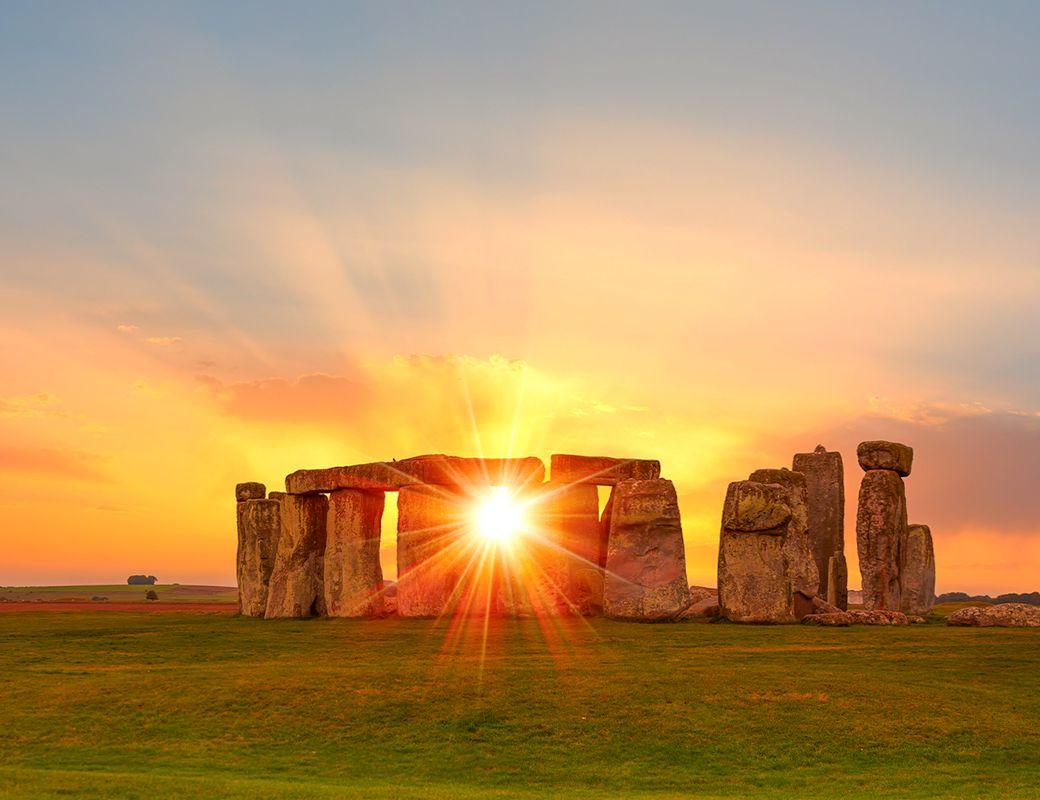
June arrives wrapped in warmth, roses, and golden light. The days grow long beneath the strengthening sun, gardens burst into full bloom, and the world itself seems alive with movement and possibility. It is a month suspended between softness and fire, where the gentle beauty of late spring slowly gives way to the radiant power of summer. Ancient cultures viewed June as a sacred threshold, a season of abundance, fertility, celebration, and light.
The month takes its name from Juno, the Roman goddess of marriage, women, and the protection of the home. Because of her blessings upon unions and family life, June became closely associated with weddings and enduring love, a tradition that still survives today as countless couples choose this luminous month to marry. In many ways, June carries the spirit of devotion itself, not only romantic love, but also devotion to beauty, growth, community, and the rhythms of the natural world.
June is also the month of roses. Their fragrance drifts through gardens, climbing walls, and quiet pathways like a spell carried on the summer breeze. For centuries, roses have symbolized love, mystery, divine feminine power, secrecy, and spiritual awakening. Their blooming marks one of the great magical signatures of early summer, transforming the landscape into something almost dreamlike.
For herbalists, witches, and folk practitioners, June signals the beginning of the sacred harvest season. Bundles of lavender, rosemary, mint, thyme, chamomile, and mugwort begin drying in kitchens and cottage windows as the year’s medicinal and magical herbs are gathered beneath the strengthening sunlight. Traditionally, herbs cut during June and around the solstice were believed to contain exceptional potency, filled with the vibrant energy of the season itself.
At the heart of the month stands the Summer Solstice, the longest day of the year and one of the great festivals of the pagan calendar. Known as Midsummer or Litha in many modern traditions, the solstice celebrates the height of the sun’s power. Bonfires once illuminated hillsides across Europe while people danced, feasted, gathered sacred plants, and honored the turning of the seasonal wheel. Even now, the solstice carries an undeniable enchantment, a reminder that light, life, and magic have reached their fullest expression.
Astrologically, June begins beneath the quicksilver energy of Gemini, inspiring curiosity, communication, creativity, and movement before gradually softening into the emotional and intuitive waters of Cancer later in the month. Together, these energies create a season of both exploration and reflection, outward celebration and inward connection.
There is something timeless about June. It lives in twilight gardens glowing beneath fireflies, in sunlit herbs hanging from wooden rafters, in warm evening storms rolling across the horizon, and in the golden stillness of the longest day of the year. It is a month of sacred sunlight, blooming beauty, and ancient midsummer magic.
June 1 to June 15: Portents, Petals, and Summer Omens
June 1: The Beginning of the Meteorological Summer
June opens the gates of the meteorological summer, the season officially marked by warmer temperatures, flourishing gardens, and longer days filled with sunlight. In folklore and magical tradition, the first day of June was often viewed as a threshold between the softer awakening of spring and the fiery fullness of summer. Nature now enters a period of abundance and visible vitality.
Traditionally, this period also signaled the beginning of the year’s great meteor showers becoming more visible in the warmer night skies. Ancient stargazers believed meteors were messages from spirits, omens from the gods, or sparks cast from celestial realms. Witches and cunning folk sometimes interpreted shooting stars as moments when the veil between worlds briefly opened, making wishes, divination, and spell work especially potent beneath the night sky.
The skies of early June invite observation and contemplation. Warm evenings spent beneath the stars become acts of quiet ritual themselves, reminders of humanity’s ancient relationship with the heavens.
June 3: The Planting of Wormwood
June 3 was traditionally regarded in parts of European folk magic as one of the final auspicious days to plant wormwood before the full strength of summer arrived. Wormwood has long carried a mysterious reputation in magical and medicinal lore. Associated with protection, psychic sight, spirit communication, and banishment, the herb was often hung over doorways, carried in satchels, or burned in ritual fires to repel harmful energies.
Folklore warned that wormwood protected homes not only from illness and misfortune, but also from goblins, troublesome spirits, wandering entities, and mischievous fae beings said to roam more freely during the summer months. In old traditions, bundles of wormwood were placed near windows or tucked beneath mattresses to prevent nightmares and spiritual disturbances.
Its bitter scent and silver-green leaves gave the plant an almost otherworldly appearance, strengthening its reputation as an herb connected to the unseen world. Even today, wormwood remains associated with lunar magic, divination, dream work, and psychic protection.
June 6: The Blooming of the Wild Roses
By early June, wild roses begin blooming in hedgerows, woodland paths, and forgotten corners of the countryside. Their appearance has long been tied to love, enchantment, and the presence of the fae. Across Celtic and European folklore, rose bushes were believed to serve as hidden doorways to the fairy realm, especially when found growing alone in isolated places.
Old superstitions warned travelers not to linger too long near blooming roses at twilight, particularly if whispering secrets or speaking carelessly. It was believed the fair folk listened from beneath tangled branches and flowering vines, eager to overhear human words. Secrets shared near wild roses might be carried away into the unseen world, never fully forgotten.
At the same time, roses were also viewed as deeply protective flowers. Petals scattered around the home were thought to invite blessings while discouraging harmful spirits. Rose water, rose oils, and dried petals were frequently incorporated into love charms, beauty rituals, and dream magic throughout the month of June.
There is something deeply liminal about wild roses in folklore. They represent beauty and danger intertwined, a reminder that enchantment often exists beside mystery.
June 8: Weather Divination Day
June 8 carries a long tradition of weather divination and sky watching. In folk belief, rain falling on this day was said to foretell thirty days of continued wet weather ahead. Farmers, herbalists, and village wise women carefully observed the skies during early June, believing nature revealed patterns long before modern forecasting existed.
The moon also plays an important role in the omens associated with this date. According to old weather lore, if clouds cover the tips or “horns” of a crescent moon, rain is approaching or a particularly rainy season lies ahead. This phenomenon became known in some traditions as a “wet moon,” interpreted as the heavens metaphorically holding water.
Such signs reflect humanity’s long relationship with celestial observation. Before scientific instruments, people relied upon the moon, stars, winds, and animal behavior to predict the shifting moods of nature. Weather divination was both practical and spiritual, blending survival with ancient superstition.
For modern practitioners, June 8 offers an opportunity to reconnect with traditional forms of observation. Watching the sky, recording cloud formations, studying the moon, and listening to rainfall can become quiet acts of mindfulness and seasonal magic.
June 9: Scotland’s Lucky Day
In Scottish folklore, June 9 was sometimes regarded as an especially fortunate day, though only when it fell upon a Thursday. Thursday itself carries strong associations with Jupiter and Thor, both connected to prosperity, strength, blessings, and protection. When the energies of the date and weekday aligned, the day was believed to become unusually auspicious for beginnings, travel, financial ventures, and important decisions.
Some traditions held that actions taken on this fortunate Thursday would carry long-lasting success throughout the remainder of the summer. Farmers planted crops, travelers departed on journeys, and couples occasionally chose the day for betrothals or agreements believed to secure good fortune.
Scottish folk beliefs often blended practical rural customs with remnants of older Celtic spirituality. Lucky days were taken seriously, particularly in communities deeply connected to seasonal rhythms and agricultural life. Even small acts, such as baking bread, starting projects, or gathering herbs, were thought to benefit from favorable cosmic timing.
June 13: Venus Enters Leo
When Venus moves into Leo, love becomes theatrical, radiant, passionate, and impossible to ignore. Venus governs beauty, affection, relationships, pleasure, art, and attraction, while Leo is ruled by the sun itself, associated with confidence, creativity, charisma, and self-expression.
This transit encourages bold romance and dramatic emotion. Feelings are expressed openly rather than hidden away. There is a desire not only to love, but to be seen and appreciated in return. Under this influence, people may feel more drawn toward glamour, celebration, artistic pursuits, luxury, and heartfelt declarations.
Magically, Venus in Leo supports confidence spells, glamour magic, self-love rituals, creative projects, and workings involving passion or attraction. Gold candles, sunflowers, citrine, rose petals, and solar imagery align beautifully with this fiery transit.
Yet Leo also reminds us that the heart requires courage. Venus in this sign asks people to embrace authenticity and vulnerability, allowing joy and creativity to shine without apology.
June 14: New Moon in Gemini
The New Moon in Gemini arrives like a whisper carried on the wind, filled with possibility, movement, and fresh beginnings. New moons have long symbolized renewal, intention setting, and unseen potential, moments when energy turns inward before beginning to grow once more.
Gemini, ruled by Mercury, governs communication, thought, language, curiosity, adaptability, and intellectual exploration. When the new moon falls within this airy sign, the mind becomes especially active and inspired. Ideas emerge rapidly, conversations carry unusual importance, and the desire for learning intensifies.
This lunation favors journaling, scripting manifestations, studying divination, beginning creative endeavors, networking, and setting intentions involving communication or education. It is a powerful moon for writers, teachers, students, speakers, and anyone seeking mental clarity or inspiration.
Spiritually, the Gemini New Moon reminds us that words themselves possess magic. Spoken affirmations, written intentions, sigils, chants, and prayers carry amplified power beneath this lunar phase. The energy is light, quick-moving, and filled with potential, encouraging flexibility rather than rigid control.
Like summer winds shifting through open windows, this moon asks us to remain curious about what possibilities may still arrive.
June 16 to June 30: Solstice Fires, Fairy Roads, and the Turning of the Sun
June 19: The Ripening of the Wild Strawberries
By the nineteenth day of June, wild strawberries begin ripening beneath the warmth of the nearing solstice sun. Tiny and brilliantly red, these berries have long carried associations with love, fertility, abundance, and the sweetness of life. In folklore, strawberries were considered sacred gifts of summer, symbols of prosperity granted by the earth at the height of its growing power.
Many traditions believed strawberries possessed protective and romantic qualities. Lovers shared them to strengthen affection, while bowls of berries placed within the home were thought to invite happiness and harmony. Because they grow close to the earth, hidden beneath leaves and vines, strawberries also became linked with woodland spirits and the hidden realms of nature.
In magical practice, strawberry leaves and fruit were sometimes added to charms involving attraction, emotional healing, or joy. Gathering wild strawberries near the solstice was considered especially auspicious, as the fruit carried the strengthening power of midsummer sunlight within it.
June 20: Preparing for the Solstice and the Festival of Litha
As the Summer Solstice approaches, June 20 becomes a sacred day of preparation. Across countless folk traditions, homes were thoroughly cleaned before Midsummer celebrations began. Floors were swept, windows opened wide, herbs hung from rafters, and lingering stagnant energy driven away to make room for blessings, vitality, and solar abundance.
This cleansing was not merely physical, but spiritual as well. Smoke cleansing with rosemary, mugwort, juniper, or lavender was often performed to purify the home before the arrival of the solstice sun. Altars were decorated with flowers, candles, oak leaves, sun symbols, ribbons, and bowls of fresh herbs gathered from the garden.
Preparations for Litha frequently included weaving flower crowns, preparing bonfire feasts, crafting protective charms, and collecting sacred water from springs or rivers before sunrise. The eve before the solstice was viewed as deeply liminal, a moment when the natural world hummed with heightened magical energy.
Many people also began decorating their homes with sun wheels, bundles of St. John’s wort, fresh roses, and golden candles to welcome the height of the solar year. Bread, honey, berries, and herbal wines were prepared for the coming festivities, while musicians and storytellers readied themselves for nights of celebration beside the midsummer fires.
June 21: The Summer Solstice, Litha, and the Beginning of Cancer Season
The Summer Solstice officially begins at 3:41 AM, the moment when the sun stands directly over the Tropic of Cancer and daylight reaches its greatest length in the Northern Hemisphere. This is the longest day and shortest night of the year, the radiant crown of the solar cycle.
Ancient peoples honored the solstice with reverence and awe. Massive stone monuments such as Stonehenge were aligned to the rising midsummer sun, while bonfires illuminated hillsides throughout Europe. Fire became the great symbol of the solstice, representing life, purification, passion, fertility, protection, and divine illumination.
Spiritually, the Summer Solstice is considered one of the most powerful times for manifestation, solar magic, healing rituals, prosperity workings, and personal transformation. Many practitioners rise before dawn to greet the sunrise, charging crystals, ritual tools, herbs, and water beneath the strengthening rays of the midsummer sun.
June 21 is also celebrated as Litha, the great Celtic and pagan festival of Midsummer. Bonfires traditionally burned throughout the night while communities gathered to dance, feast, sing, and celebrate the abundance of the earth. Couples leaped over flames for luck and fertility, while wheels wrapped in burning straw were rolled down hillsides to symbolize the sun’s journey through the heavens.
Folklore claimed that the veil between worlds grows dangerously thin during Midsummer. The fae folk were believed to wander freely beneath the solstice moon, moving through forests, meadows, and ancient fairy roads. It was said that if one stood hidden behind an elder tree during Midsummer night, they might glimpse the King of the Fairies riding past with his spectral host. The elder tree held profound magical significance because it was believed to render a person invisible to the fair folk, offering protection from enchantment or unwanted attention.
At the same sacred turning point, the sun also enters Cancer, beginning a softer and more emotional chapter of the astrological year. Ruled by the moon, Cancer governs intuition, memory, home, ancestry, emotional depth, and nurturing energy. After the fast-moving intellectual atmosphere of Gemini season, Cancer invites people inward toward reflection, family, sacred spaces, and emotional healing.
Cancer season pairs naturally with midsummer magic because both are deeply connected to cycles of growth, protection, and emotional connection. Kitchen witchcraft, hearth magic, dream work, ancestral altars, and lunar rituals become especially potent beneath this watery influence. The energy of Cancer encourages people to protect what matters most while honoring intuition and vulnerability as sacred strengths.
The solstice reminds us that even at the height of the sun’s power, the wheel continues to turn. Light reaches its fullest expression before slowly beginning its long return toward autumn, making Midsummer both a celebration of abundance and a quiet acknowledgment of life’s eternal cycles.
June 23: The Original Midsummer and St. John’s Eve
Before calendar reforms altered the dates, June 23 was widely regarded as the true beginning of Midsummer festivities. Known as St. John’s Eve in later Christian tradition, the night preserved many older pagan customs centered around fire, protection, divination, and spirit activity.
Bonfires blazed across fields and coastlines as communities gathered to celebrate the shortest night of the year. People believed the flames warded off illness, misfortune, storms, and harmful spirits for the coming year. Ashes from the sacred fires were sometimes scattered across fields to bless crops and ensure fertility.
Midsummer Eve also became famous for love divination. Young women gathered flowers and herbs beneath the moonlight, placing them beneath pillows in hopes of dreaming of future lovers. Ferns, said never to truly flower, were believed to bloom magically only on Midsummer night, revealing hidden treasure or secret wisdom to those fortunate enough to witness it.
June 24: St. John’s Day and the Gathering of Sacred Herbs
St. John’s Day has long been regarded as one of the holiest days of the year for herbal magic. Herbs gathered during this period were believed to hold exceptional healing and protective power because they absorbed the strength of the solstice sun.
Among the most sacred plants collected was St. John’s wort, its golden blossoms symbolizing sunlight itself. The herb was traditionally hung above doors and windows to ward off evil spirits, lightning, nightmares, melancholy, and harmful magic.
In old folk traditions, herbs were harvested with great ritual care. A golden sickle was used for gathering during daylight hours to honor the power of the sun, while a silver sickle was used beneath moonlight. Practitioners cut herbs with the non-dominant hand, symbolizing receptivity to nature’s gifts rather than domination over them.
After harvesting, the blossoms were lifted toward the sun or moon for blessing before being gathered into baskets. Honey was then poured onto the earth as an offering of gratitude for nature’s abundance and generosity.
These customs transformed herbal gathering into sacred communion between humanity and the living spirit of the land.
June 27: The June Bootid Meteor Shower
The June Bootid meteor shower begins appearing in the night sky near the end of the month, streaking across the heavens from the region near the constellation Gemini before continuing into July. Unlike more predictable meteor showers, the Bootids are famously unpredictable. Some years they remain faint, while in others they erupt suddenly into brilliant displays.
In magical folklore, falling stars were considered moments of celestial power, opportunities when wishes and prayers might briefly pierce the veil between worlds. Tradition warns, however, that wishes made upon meteors should remain personal and secret. Spoken aloud, they risk losing their power.
Warm June nights spent watching meteors have always carried a sense of wonder and enchantment. The heavens themselves appear alive, reminding humanity of its small but sacred place beneath the cosmos.
June 27: Binding the Fair Folk
According to certain strands of older folklore and ceremonial magic, June 27 was regarded as a dangerous yet powerful night for attempting to bind or bargain with fairy beings. Such practices were never approached lightly. Fairies in traditional folklore were not harmless winged creatures, but ancient and unpredictable spirits connected to nature, fate, and the unseen world.
Stories warned that those bold enough to attempt commanding or binding the fair folk risked terrible consequences if proper respect was not shown. Iron, rowan wood, salt, and protective circles were commonly employed for protection during such rituals.
Most folk traditions advised caution above all else. Fairies could offer blessings, inspiration, luck, or secret knowledge, but they could just as easily deceive, curse, or lead mortals astray. Midsummer was believed to amplify their presence, making the final days of June particularly active with supernatural energy.
June 29: The Full Moon in Capricorn
The Full Moon in Capricorn rises with grounding, disciplined, and deeply transformative energy. Capricorn, ruled by Saturn, governs responsibility, ambition, structure, endurance, and long-term achievement. Unlike softer emotional moons, this lunation encourages realism, patience, and practical reflection.
This moon asks what foundations are truly strong enough to endure. It is a time for evaluating goals, releasing unhealthy obligations, and recommitting to long-term aspirations with wisdom and maturity.
Traditionally, the June full moon is also known by several beautiful names. It is called the Strawberry Moon because of the ripening berries gathered during this season. It is also known as the Rose Moon, the Honey Moon, and the Dyad Moon, each name reflecting themes of fertility, sweetness, love, partnership, and midsummer abundance.
Beneath this luminous moon, emotions may feel quieter but more profound, encouraging contemplation rather than impulsive action.
June 29: Mercury Retrograde in Cancer
As Mercury turns retrograde in Cancer, communication becomes colored by memory, emotion, and nostalgia. Mercury governs thought, language, travel, technology, and information, while Cancer rules feelings, family, intuition, and the past.
During this retrograde period, unresolved emotional matters often resurface. Conversations connected to family, childhood, home life, or old relationships may return unexpectedly. People frequently become more sensitive beneath this transit, reacting emotionally rather than logically.
Retrogrades are often misunderstood. Rather than simply causing chaos, they invite reflection, reassessment, and slowing down. Mercury retrograde in Cancer asks individuals to examine emotional patterns, heal lingering wounds, reconnect with loved ones, and listen carefully to intuition.
It is a powerful period for journaling, ancestral work, dream interpretation, and emotional healing, though major decisions may benefit from extra patience and clarity.
June 30: The Sailors Return to Sea
Traditionally, the end of June marked the period when many sailors once returned fully to the sea after the solstice celebrations concluded. Midsummer festivals often interrupted travel and labor as communities gathered for sacred observances, feasting, and ritual.
The sea itself carried immense spiritual significance in maritime folklore. Sailors viewed the waters as unpredictable and alive, governed by spirits, saints, moon phases, and ancient powers beyond human control. Returning to sea after the solstice symbolized moving forward beneath the blessings of the strengthened summer sun.
Offerings were sometimes cast into the ocean before departure, including bread, flowers, wine, or coins meant to secure calm waters and safe journeys. Even after centuries, traces of these superstitions survive among coastal traditions throughout Europe and beyond.
Conclusion: Beneath the Golden Crown of Summer
June is a month suspended between sunlight and mystery, where roses bloom beside fairy paths and the longest day of the year burns bright across the heavens. It is a season of sacred herbs drying in warm kitchens, meteor showers streaking through twilight skies, bonfires blazing beneath the solstice moon, and ancient traditions whispered through generations.
Throughout the month, the world itself seems enchanted. The earth ripens with abundance while the veil between worlds grows thin beneath the power of Midsummer. Fair folk wander hidden woodland roads, herbs gather strength beneath the sun, and the skies offer omens through moonlight, storms, and falling stars.
Yet June is not only a celebration of nature’s beauty. It is also a reminder of cycles. At the very height of the sun’s power, the wheel quietly begins to turn once more. The solstice teaches that all things move in sacred rhythm, growth and rest, light and shadow, blooming and fading.
For witches, spiritual seekers, and lovers of folklore alike, June remains one of the most magical times of the year. It invites us to gather herbs beneath golden sunlight, whisper wishes beneath meteor-filled skies, dance beside midsummer fires, and honor the living spirit woven through the natural world.
In the glowing heart of June, magic does not feel distant or hidden. It feels alive in every rose, every ember, every moonlit breeze, and every ray of sunlight lingering across the longest days of the year.
Responses
No responses yet — start the conversation.
More from the Magazine

Your Witchcraft Doesn't Need to Cost More Than Your Grocery Bill
Build a meaningful practice with ordinary objects, intentional actions, and what you already own.
The Owl - Secrets of Wisdom
The symbolism of the nocturnal bird in mythology, magic, and spiritual practices
How to Attract and Maintain Positive Energy
In Your Home and Other Spaces