February Purification Magic
The Witch’s Monthly Almanac
Article · 9 min read · ·
Overview of the Month of February
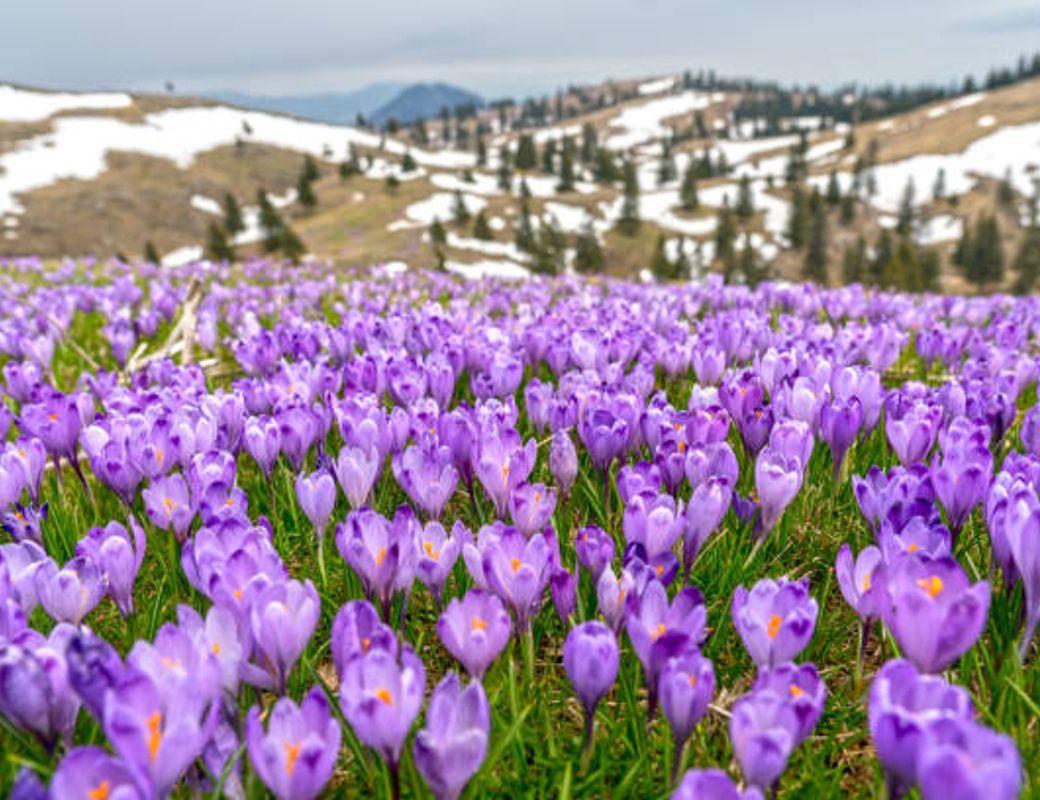
February is a month of purification, preparation, and quiet renewal—a liminal threshold where winter still lingers, yet the promise of spring begins to stir beneath the surface of the earth. The name February is derived from the Latin Februa, meaning to purify or to cleanse, and is associated with ancient Roman rites of purification and sacrificial offerings intended to cleanse both individuals and the community. During this time, purification was traditionally carried out through smoke, water, fasting, and ritual abstinence, preparing the land and the people for the fertile months ahead.
This theme of cleansing carries forward across many spiritual traditions. In the weeks leading up to February, many households historically engaged in deep cleaning—physically and spiritually—clearing away stagnation, illness, and the heaviness of winter. This purification culminates in Imbolc, celebrated on February 1st, which marks the pagan beginning of spring. Imbolc is a festival of light, milk, fire, and rebirth, honoring the subtle but undeniable return of life to the land.
As February unfolds, the natural world begins to respond. Birds emerge from winter’s quiet and begin their ritual singing, calling to one another and seeking their mates. These early songs are among the first audible signs that the Wheel of the Year has begun to turn once more. Beneath the soil, roots awaken, and above ground, the earliest flowers begin to bloom. Snowdrops and primroses appear, their nectar-rich blossoms providing vital nourishment for the first awakening insects and initiating the intricate cycle of springtime life.
The sweet violet, traditionally known as the flower of February, also comes into bloom. Associated with devotion, tenderness, and subtle desire, the violet has long been linked to sacred and sapphic love, emotional sincerity, and spiritual humility. Its presence during this month reinforces February’s connection not only to purification, but also to gentle love, renewal of the heart, and emotional healing.
Spiritually and mythologically, February marks a powerful transition in Celtic tradition. This is the time when the goddess Brigid—goddess of fire, poetry, healing, fertility, and the hearth—rises into prominence as the harsh rule of the Cailleach, the winter crone, begins to wane. Brigid’s reign brings inspiration, creative fire, purification through flame and water, and the rekindling of hope. Her presence blesses wells, homes, and sacred spaces, making February an especially potent time for cleansing rituals, rededication, and spiritual renewal.
Though winter has not yet fully released its grip, February teaches that purification does not require dramatic change—it begins quietly, through intention, preparation, and small acts of devotion. This is a month for clearing what no longer serves, tending the inner flame, and making sacred space for what is yet to grow.
February Day-by-Day Observances
February 1 – Imbolc / Snow Moon (Full Moon in Leo)
Imbolc marks the pagan beginning of spring, a sacred fire festival honoring renewal, purification, and the returning light. Traditionally dedicated to Brigid, goddess of the hearth, healing, poetry, and inspiration, this day celebrates the first stirrings of life beneath winter’s surface. Homes are cleansed, candles are lit, and intentions are set for the growing year ahead.
On this day, it is customary to craft a Brigid’s Cross from reeds, straw, or rushes and hang it outside the home or above the hearth. Folklore holds that if Brigid passes over the land and touches the cross on Imbolc night, the household will be protected from fire, hunger, illness, and malevolent forces for the remainder of the year.
Imbolc is also a traditional day of weather divination. If the day is bright and clear, it is said that winter will persist, as the Cailleach gathers more firewood. If the weather is dark, stormy, or foul, winter’s grip is believed to loosen more quickly, signaling an early spring.
Astrologically, this day carries potent symbolism. The Moon, Venus, and Saturn come into close alignment around this time, an omen traditionally associated with love, devotion, responsibility, and the patient work of creation—a reminder that what we build now must be nurtured with care and discipline.
Imbolc is also known in Celtic tradition as a serpent or snake day. In regions where snakes are native, this marks the time when they begin to stir in their burrows, emerging to seek mates. Where the serpent is sacred, this day honors fertility, earth wisdom, and the awakening life force rising from below.
This Imbolc is crowned by the Full Moon in Leo, known as the Snow Moon, and alternatively called the Cold Moon, Storm Moon, or Ice Moon. A Leo Full Moon amplifies themes of self-expression, courage, creative fire, leadership, and heart-centered magic. Combined with Imbolc’s purification energy, this lunation is ideal for releasing self-doubt, reclaiming personal power, and rededicating oneself to creative and spiritual paths.
February 2 – Groundhog Day (United States)
Groundhog Day preserves ancient weather divination traditions, echoing much older European beliefs tied to Imbolc and Candlemas. The appearance—or absence—of an animal’s shadow is interpreted as an omen regarding the length of winter. In folkloric terms, this continues the theme of watching nature closely for signs of the seasonal shift and reinforces February’s role as a month of observation, patience, and quiet anticipation.
February 4 – Snowdrops & Candlemas Bells
Around this time, snowdrops begin to bloom—among the earliest flowers to pierce winter soil. In Christian symbolism, they were believed to resemble the shrouds of the dead and were often planted in graveyards, earning associations with death, mourning, and the liminal boundary between worlds. They were sometimes called Candlemas Bells, linking them to purification, light, and sacred transition.
In pagan folklore, snowdrops carried a more cautionary meaning. Bringing them into the home before Imbolc was considered unlucky and believed to invite illness or misfortune for the rest of the year. Left outdoors, however, they were honored as signs that winter’s hold was weakening and that the earth was preparing to awaken.February 8 – The Devil’s Footprints (Devon, England)
On this date in 1855, mysterious hoof-like footprints appeared across the snow-covered countryside of Devon, England, stretching for miles over rooftops, walls, and fields—earning the event its enduring name, The Devil’s Footprints. Despite numerous theories, no definitive explanation was ever confirmed.
In folkloric and occult tradition, this event is remembered as a reminder of February’s liminal nature—a time when boundaries between worlds feel thinner, and the unknown presses closer to the surface. The story serves as a cautionary tale about wandering forces during transitional seasons and reinforces the importance of protection, purification, and vigilance during this month.
February 10 – A Day of Snow & Warning
Folklore holds February 10 as a significant weather-omen day. If snow falls during the daylight hours, it is advised not to travel after nightfall, as such journeys were believed to invite misfortune, delays, or danger. This belief reflects February’s transitional nature, when winter’s hazards can still assert themselves unexpectedly. The day calls for caution, foresight, and respect for the elements.
February 11 – An Auspicious Day for Dogs
February 11 is traditionally regarded as the most favorable day to breed dogs if one desires offspring that are gentle, intelligent, and easily trained. Folklore suggests that dogs bred under the sign of Aquarius inherit qualities of loyalty, adaptability, and heightened awareness. In rural traditions, animal husbandry was often guided by seasonal and astrological timing, reinforcing the belief that temperament is shaped by celestial influence as much as by bloodline.
February 12–14 – The Borrowed Days
These dates are known in folklore as the Borrowed Days, said to be “borrowed” from January. They are traditionally considered the coldest, harshest, and most unpredictable days of February. According to legend, these days compensate for the warmth promised later in the summer months.
Storms, biting winds, and sudden freezes are associated with this period, reinforcing February’s role as a time of endurance and purification. Symbolically, the Borrowed Days remind us that renewal often follows hardship, and that the clearing process is rarely gentle.
February 14 – Valentine’s Day & The Bird’s Wedding Day
Valentine’s Day has deep roots in seasonal lore and folk tradition, long predating its modern romantic associations. In European folklore, this date was known as the Birds’ Wedding Day, believed to be the time when birds chose their mates for the year, linking human love to the rhythms of the natural world.
Christian tradition associates the day with St. Valentine, a figure remembered for devotion and secret marriages, while medieval Europe embraced the day as one of courtly love, exchanging verses, tokens, and vows of affection.
This day is also rich in love divination. Tradition holds that the first bird seen when looking out a window foretells the nature of one’s future partner:
-
A dove signifies peace and devotion
-
A robin suggests warmth and kindness
-
A woodpecker indicates persistence and loyalty
-
A sparrow foretells simplicity and contentment
Simple love charms were commonly practiced, including plucking daisy petals while reciting “They love me, they love me not.”
Flowers carry strong symbolism on this day, particularly the rose, which has long represented love, desire, and devotion. In classical mythology, roses were sacred to Aphrodite/Venus, binding the flower to passion, beauty, and romantic longing. The red rose, in particular, symbolizes deep love, sacrifice, and the intensity of the heart’s fire, making it the enduring emblem of Valentine’s Day. Roses also came to signify secrecy and sacred trust—sub rosa, “under the rose”—adding layers of intimacy and promise to their meaning. Sweet violets remain favored for their associations with sincerity, faithfulness, and spiritual affection, while snowdrops should never be given, as they are strongly linked to death and mourning.
February 17 – Lunar New Year & New Moon in Aquarius
This day marks the Chinese Lunar New Year, ushering in the Year of the Horse. In Chinese astrology, the Horse symbolizes vitality, independence, passion, movement, and ambition. It is a year that favors progress, courage, and forward momentum.
The New Moon in Aquarius occurs at this time, amplifying themes of innovation, future vision, and collective consciousness. This lunar phase is ideal for setting intentions related to liberation from outdated patterns, embracing originality, and aligning with one’s higher ideals.
February 19 – The Sun Enters Pisces
As the Sun enters Pisces, the energetic tone shifts from intellectual air to emotional and spiritual water. Pisces season heightens intuition, dreams, compassion, and sensitivity to unseen realms. It is a favorable time for meditation, divination, artistic expression, emotional healing, and spiritual reflection, gently preparing the soul for the deeper renewal that spring will bring.
Closing Reflection: February Purification Magic
The latter half of February reveals the deeper work of purification—not merely through cleansing, but through attentiveness to signs, symbols, and cycles. Weather omens, animal lore, celestial movements, and ancient festivals all remind us that transformation unfolds in stages, often quietly and beneath the surface.
From the cautionary wisdom of snow days to the symbolic unions of birds and lovers, from the forward-looking vision of Aquarius to the intuitive waters of Pisces, February teaches balance between endurance and hope. It is a month that asks us to release what has grown heavy, honor what still sleeps, and prepare ourselves—mind, body, and spirit—for the life that will soon rise with spring.
Responses
No responses yet — start the conversation.
More from the Magazine

Your Witchcraft Doesn't Need to Cost More Than Your Grocery Bill
Build a meaningful practice with ordinary objects, intentional actions, and what you already own.
The Owl - Secrets of Wisdom
The symbolism of the nocturnal bird in mythology, magic, and spiritual practices

How to Attract and Maintain Positive Energy
In Your Home and Other Spaces