Celebrating the Celtic Festival of Litha
History and traditions of the midsummer festival
Article · 7 min read · ·
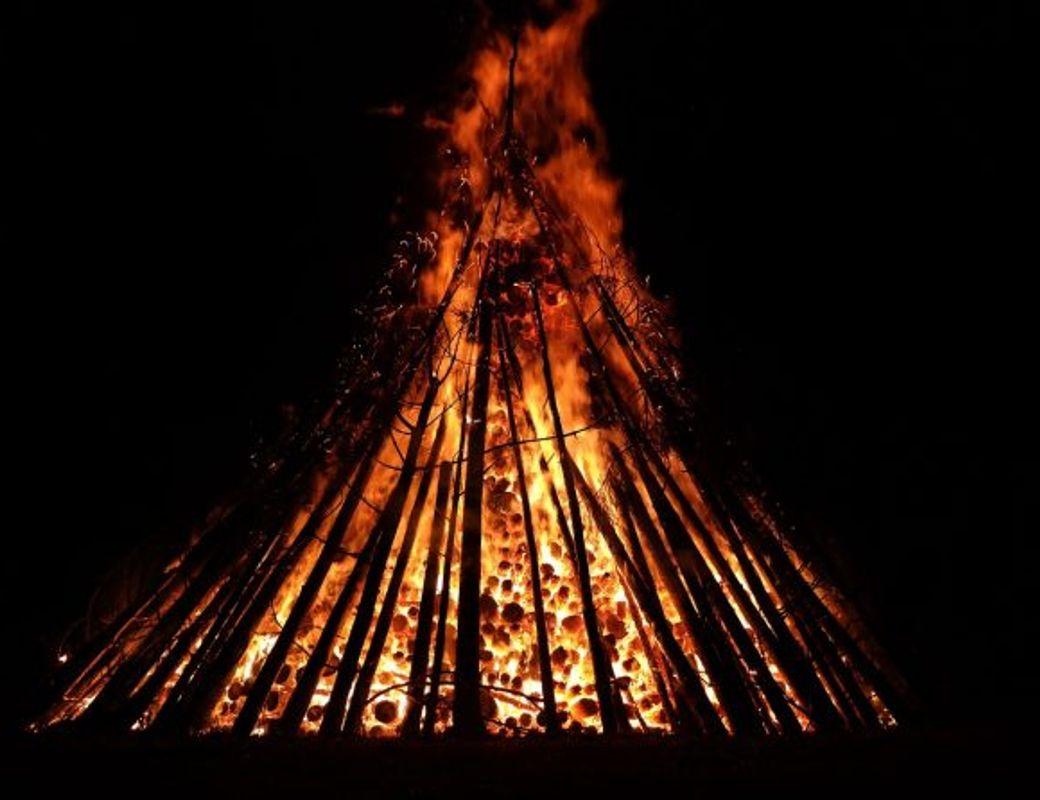
Litha: The Celtic Festival of Light
Litha, also known as Midsummer, is a powerful sabbat celebrated on the Summer Solstice, the longest day and shortest night of the year. It is one of the eight sacred sabbats on the Wheel of the Year and holds a special place in the cycle of the seasons. While not traditionally listed among the four Celtic fire festivals, it is often celebrated with fire rites similar in spirit to the great fire festivals of Imbolc, Beltane, and Samhain. A celebration of the sun at the peak of its strength, Litha honors the balance of light and dark just before the wheel turns toward the waning half of the year.
The Ancient Festival of Light
The name “Litha” is believed to come from the writings of the Venerable Bede, an Anglo-Saxon monk who referred to the months of June and July as Ærra Līða and Æftera Līða, meaning “before Litha” and “after Litha.” Though the exact origin of the term is obscure, modern Pagan and Wiccan communities have adopted “Litha” to describe this sacred time.
To the ancient Celts, this day was a high point in the solar calendar—a time of fertility, abundance, and magic. Though evidence for the exact name the Celts used is debated, some sources suggest they celebrated this solstice as “Alban Hefin”, a term used in Druidic revival traditions, which means “Light of the Shore” in Welsh. It reflects the sun’s zenith and the connection between land, sea, and sky.
Cultural Significance and Ancient Traditions
Ancient cultures across Europe marked this powerful solar moment with bonfires, sun rituals, and sacred gatherings. For the Celts, fire was a purifying, protective force. Lighting hilltop bonfires symbolized the sun’s fiery strength and invited blessings for crops, herds, and the home. People would dance, sing, and leap over the flames to receive protection or fertility blessings.
Some traditions lasted several days, especially in agrarian communities where festivals marked planting and harvest cycles. In Celtic lands, this was a time to honor sovereignty goddesses, solar deities, and nature spirits.
Offerings and Celebrations May Have Included:
-
Lighting bonfires on hills and sacred sites to honor the sun’s power and ensure protection.
-
Weaving floral crowns and garlands from St. John’s Wort, mugwort, vervain, and other herbs considered powerful during the solstice.
-
Rolling burning wheels down hills to symbolize the sun’s descent after the solstice.
-
Gathering herbs at sunrise, believed to be at their most potent on this magical day.
-
Dancing, feasting, and storytelling around sacred fires.
The Goddess Áine: Celtic Queen of the Summer Solstice
One of the most prominent deities associated with Litha in Irish mythology is Áine (pronounced “AWN-ya”), a powerful Celtic goddess of the sun, sovereignty, love, and fertility. She was deeply honored during midsummer festivals in parts of Ireland, especially in County Limerick, where rituals in her name were held at Cnoc Áine (Áine’s Hill).
Áine was known to embody the brilliance and fertility of the sun and the lush abundance of the land. She was said to walk the fields, blessing the crops and ensuring their prosperity. As a goddess of both the Otherworld and mortal realm, she bridged the mystical and earthly, guiding the balance between spirit and nature.
Her stories reflect her independent, radiant nature. In one legend, Áine is assaulted by Ailill Aulom, the king of Munster. In retaliation, Áine bites off his ear—symbolically disqualifying him from kingship, as Irish kings were required to be physically whole. This story speaks to Áine’s role as a sovereignty goddess, empowering the land and choosing its rulers.
The Battle of the Oak King and Holly King
A central myth often associated with the solstices, especially in Wiccan and modern Pagan traditions, is the battle between the Oak King and the Holly King.
-
The Oak King rules from Yule (Winter Solstice) to Litha (Summer Solstice), symbolizing growth, light, and life.
-
The Holly King rules from Litha to Yule, symbolizing retreat, rest, and the introspective darker half of the year.
At Litha, the two kings engage in a great battle, and the Holly King emerges victorious, beginning his reign as the days slowly begin to shorten. Some tellings depict this as a literal combat, while others portray it as a sacred cycle of death and rebirth, echoing the changing seasons. This myth speaks to the eternal rhythm of light and darkness, ascent and decline, and the cyclical nature of life.
Modern Interpretations and Neopagan Adaptations
In contemporary Wiccan and neopagan traditions, Litha remains a celebration of light, love, magic, and growth. Practitioners gather in groups or celebrate alone by watching the sunrise, creating sun altars, or lighting candles and bonfires in honor of the sun’s strength.
Modern Celebrations Often Include:
-
Decorating altars with sunflowers, oak leaves, golden candles, and solar symbols.
-
Creating “sun water” by placing spring water in a clear jar under the noonday sun to absorb solar energy.
-
Ritual bathing with herbs like lavender, mint, or chamomile to purify and bless the self.
-
Feasting on summer fruits, honey cakes, and herb-infused drinks.
-
Making flower crowns or herbal bundles for protection and blessing.
-
Offering thanks to the sun and deities associated with light, such as Áine, Lugh, Apollo, or Amaterasu.
How You Can Celebrate Litha
If you feel called to honor this festival, you don’t need a coven or elaborate ceremony. Here are some simple ways to connect with Litha’s energy:
-
Watch the sunrise or sunset, meditating on what you’re grateful for.
-
Light a candle in honor of the sun and speak an affirmation of joy and abundance.
-
Make sun water by filling a clear glass jar with water and leaving it in the sun for a few hours. Use it later to anoint your tools, space, or self.
-
Harvest herbs or flowers and dry them for future magical use.
-
Write intentions for the second half of the year and burn them in a fire or candle flame as an offering.
Mini Litha Ritual: Sunlight & Intention Candle Spell
🌞
You’ll Need:
-
1 yellow, gold, or white candle (a tea light or birthday candle is fine)
-
A small piece of paper and pen
-
A safe place to sit in sunlight (a windowsill, balcony, garden, or park)
✨
Steps:
-
Find Your Space: Sit comfortably in a sunny spot. Feel the warmth and light of the sun on your skin. Take a few deep breaths to center yourself.
-
Set Your Intention: On the paper, write down a word or sentence representing what you want to invite into your life—joy, love, confidence, clarity, abundance, etc.
-
Light the Candle: As you light it, say:
-
“As the sun shines bright above,
-
I call its warmth, its light, its love.
-
On this day of strength and fire,
-
I speak my wish, my soul’s desire.”
-
Hold the Paper: Visualize your intention glowing like the sun, radiating from your heart.
-
Optional Burn: If safe to do so, carefully burn the paper in a fire-safe bowl or dish, letting the smoke carry your wish to the universe. If not, fold and keep it on your altar or under your pillow.
-
Close the Ritual: Thank the sun and extinguish the candle. Say:
-
“With light in my heart, I walk the path ahead.
-
Blessed be.”
☀️ That’s it!
It’s easy, quick, and powerful—perfect for solo practitioners or busy lives. Would you like a version of this ritual designed for a group or children too?
Litha Affirmation
“As the sun reaches its peak, I welcome abundance, joy, and light into my life. I honor the fire within and trust the cycle of growth and release.”
Let the warmth of the sun fill your spirit and guide you through the turn of the wheel. Blessed Litha. 🌞
Let me know if you’d like this formatted for Substack, Instagram carousel, or blog layout!
Responses (5)
More from the Magazine
Your Witchcraft Doesn't Need to Cost More Than Your Grocery Bill
Build a meaningful practice with ordinary objects, intentional actions, and what you already own.
The Owl - Secrets of Wisdom
The symbolism of the nocturnal bird in mythology, magic, and spiritual practices
How to Attract and Maintain Positive Energy
In Your Home and Other Spaces