🌊 Aphrodite: the goddess born from desire who transformed
✨ Born from the wound
Article · 2 min read · ·
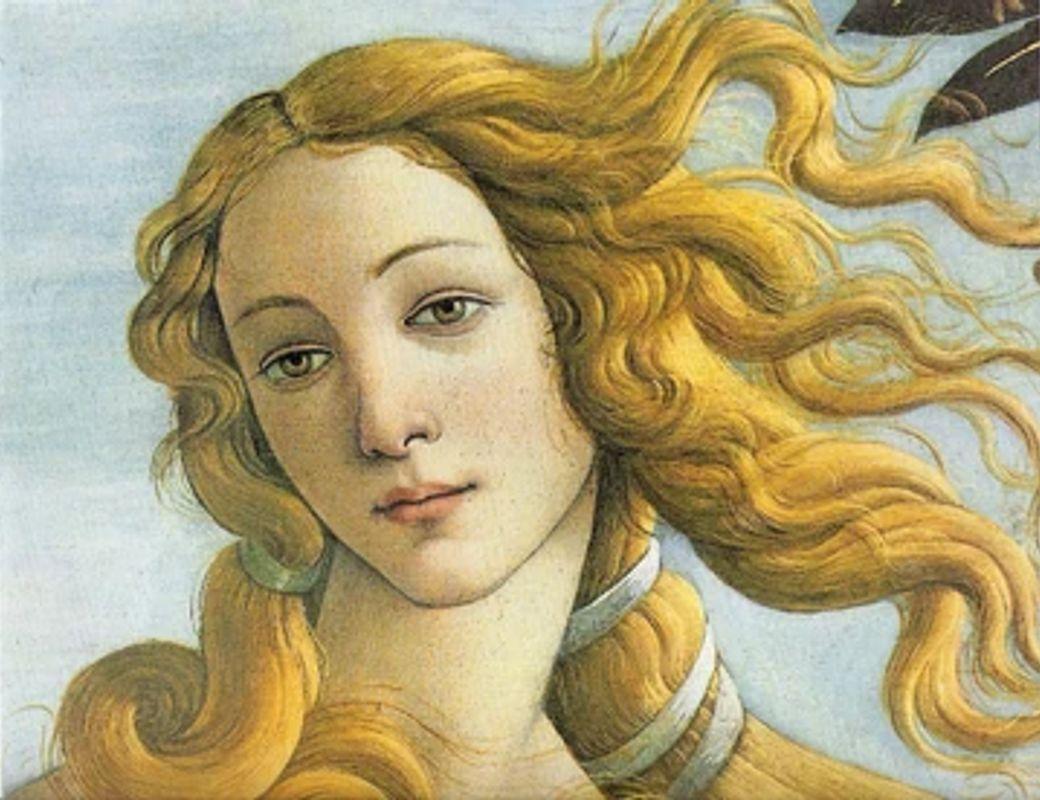
Before the Olympian gods and the order of the world, Aphrodite emerged from the sea. According to Hesiod, she was born from the foam created when Uranus's genitals fell into the ocean after being wounded by Cronus. Aphrodite was not born as a child: she emerged as a fully-formed adult, naked and complete, embodying the transformation of chaos and wound into beauty and desire.
Source: Hesiod, Theogony; World History Encyclopedia (Aphrodite).
🌗 Two origins, one force
Another tradition, recounted by Homer, claims that Aphrodite is the daughter of Zeus and Dione, which integrates her into the Olympian pantheon. This duality gave rise to two symbolic aspects: Aphrodite Urania (spiritual love) and Aphrodite Pandemos (physical love). They are not opposites, but different expressions of the same vital force.
Source: Homer, Iliad; Plato, Symposium; Theoi Greek Mythology.
🔥 The love that cannot be contained
Zeus married her to Hephaestus to contain her power, but desire obeys no pacts. Aphrodite loved Ares, god of war, showing that love is also risk and contradiction. From this union were born intense forces like Eros, Phobos, and Deimos, symbols of how love can generate pleasure, fear, and chaos all at once.
Source: Homer, Odyssey; Apollodorus, Library; Theoi Greek Mythology.
🍎 The promise that ignited Troy
In the Judgment of Paris, Aphrodite promised the love of Helen in exchange for being recognized as the most beautiful. That promise unleashed the Trojan War. The myth doesn't accuse love of creating wars, but of revealing tensions that already existed. Aphrodite didn't fight: she altered destiny through desire.
Source: Homer, Iliad; Cicero, De Natura Deorum; World History Encyclopedia.
🌺 To love is also to lose
Aphrodite loved the mortal Adonis. When he died, the goddess wept, and from his blood flowers were born. The myth explains the cycles of nature, but it also reveals something essential: Aphrodite knows grief and transforms loss into new life.
Source: Ovid, Metamorphoses; Apollodorus; Theoi Greek Mythology.
🏛️ A goddess alive in Greek culture
Aphrodite was worshipped at festivals like the Aphrodisia, especially in Corinth and Cyprus. Her cult was tied to the body, fertility, and pleasure as sacred forces. Poets like Sappho wrote to her as an intimate ally, and tragedians like Euripides showed the consequences of denying desire.
Source: Pausanias, Description of Greece; Sappho (fragments); Euripides, Hippolytus.
🖤 Aphrodite today
Today, Aphrodite is reclaimed as a symbol of self-love, conscious sensuality, and feminine power. She appears in modern spirituality, art, and feminism as a reminder that inhabiting the body and desire is also an act of autonomy.
Source: Jean Shinoda Bolen, Goddesses in Everywoman; contemporary studies in comparative mythology.
Aphrodite didn't come to teach comfortable love.
She came to show that to love is a force that transforms, unsettles, and reveals.
That's why she remains alive: because desire still moves the world.
Source: Synthesis from classical sources and historical studies cited.
Responses
No responses yet — start the conversation.
More from the Magazine

Your Witchcraft Doesn't Need to Cost More Than Your Grocery Bill
Build a meaningful practice with ordinary objects, intentional actions, and what you already own.

The Owl - Secrets of Wisdom
The symbolism of the nocturnal bird in mythology, magic, and spiritual practices

How to Attract and Maintain Positive Energy
In Your Home and Other Spaces