The Autumn Equinox
Honoring the Turning of the Seasons and the Gifts of the Earth
Article · 14 min read · ·
Introduction
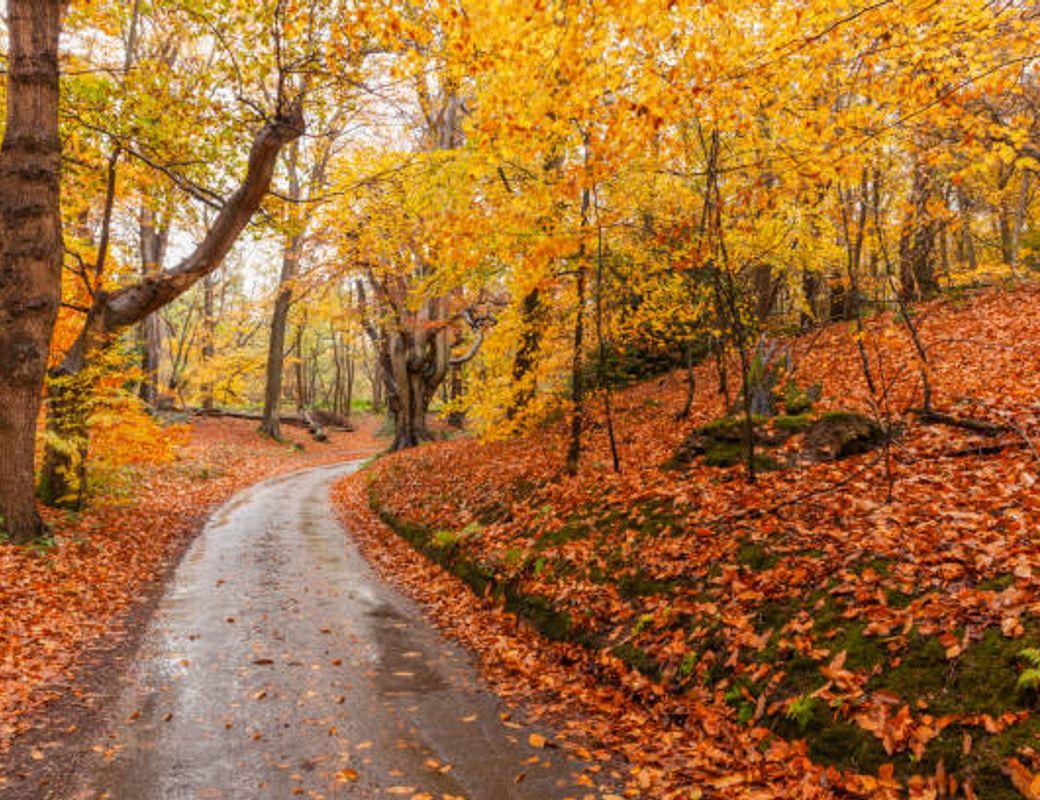
The autumn equinox is a profound turning point in the year, marking the shift from summer’s abundance to the quiet preparation of winter. Occurring annually around September 22–23 in the Northern Hemisphere, the autumn equinox is the moment when the Sun crosses the celestial equator, bringing nearly equal hours of daylight and darkness across the globe.
It is one of two equinoxes each year, but the autumn equinox holds special meaning as the gateway into fall. It represents a time of harvest, gratitude, balance, and reflection. Ancient civilizations, agrarian societies, and spiritual traditions have long honored this moment as both a practical marker for agriculture and a sacred time of thanksgiving and transition.
Definition of the Autumn Equinox
The word equinox comes from the Latin aequus (equal) and nox (night), reflecting the nearly equal balance of day and night that occurs during this astronomical event. The autumn equinox specifically marks the beginning of fall in the Northern Hemisphere and the beginning of spring in the Southern Hemisphere.
For those in the Northern Hemisphere, the autumn equinox carries particular weight because:
-
It signals the end of summer’s light and warmth and the start of the waning year.
-
Days begin to grow shorter while nights lengthen, reminding us of the natural cycle of decline, rest, and renewal.
-
It traditionally aligns with the final harvests of the year, when people gathered crops, stored food, and prepared for the scarcity of winter.
Thus, the autumn equinox is both a seasonal milestone and a spiritual symbol of balance and preparation.
Meaning and Symbolism of the Autumn Equinox
The autumn equinox is often understood as a time of duality and transition:
-
Balance: The equal length of day and night reflects harmony between light and darkness, reminding us to seek equilibrium in our own lives.
-
Harvest: It is a time to reap what has been sown, both literally in the fields and metaphorically in our personal growth, efforts, and intentions.
-
Gratitude: Ancient and modern celebrations alike emphasize giving thanks for the earth’s abundance.
-
Preparation: As darkness slowly overtakes the light, the equinox invites reflection, letting go, and preparing spiritually, emotionally, and practically for the winter ahead.
For many, this is also a time of spiritual reflection, a moment to honor cycles of life, death, and rebirth that mirror the agricultural seasons of planting, harvest, and rest.
Ancient Societies and the Autumn Equinox
The autumn equinox has long been a sacred turning point in the calendar of human civilization. Across the world, ancient peoples observed this moment when light and darkness briefly stood in perfect balance, weaving it into their myths, rituals, and agricultural cycles. The equinox symbolized both gratitude for the harvest and an acknowledgment of the coming descent into winter’s darkness. From Mesopotamia to the Americas, cultures created stories and ceremonies that reflected the eternal rhythm of death and rebirth, plenty and scarcity, light and shadow.
Mesopotamia and Babylon: The Akitu and the Myth of Inanna and Dumuzi
In ancient Mesopotamia, the equinox was closely tied to the cycles of fertility and divine order. The Babylonians marked this time with Akitu, one of the oldest known festivals, which was celebrated not only in spring but also in autumn. The autumn Akitu centered on the harvest, affirming humanity’s dependence on the gods to ensure agricultural abundance. Temples hosted processions, hymns, and offerings of grain and livestock, while priests performed ritual reenactments of mythological stories to renew the bond between heaven and earth.
One of the most significant myths associated with this season was that of Inanna (Ishtar), goddess of love, fertility, and war, and her consort Dumuzi (Tammuz), the shepherd god. When Inanna descended into the Underworld, the world was left barren, and the gods decreed that she could only return if another life took her place. Dumuzi was chosen, condemned to spend half the year below while his sister Geshtinanna shared the other half. This story of seasonal death and rebirth mirrored the equinox itself: the balance of light and dark before the fading of life into winter’s decline. Ritual lamentations for Dumuzi, offerings of food and beer, and feasts honoring both gods and ancestors marked the autumn season, reminding participants of the eternal balance between fertility and decay.
Egypt: Osiris, Isis, and the Balance of the Scales
In ancient Egypt, the equinox echoed through myths of Osiris and Isis, embodying the themes of death, resurrection, and fertility. Osiris, slain and dismembered by his brother Set, was reassembled and resurrected by Isis, becoming ruler of the Underworld. This cycle of death and renewal aligned with the rhythms of the Nile and the agricultural year, as Egyptians harvested crops and prepared for the leaner months ahead.
The equinox also resonated with the concept of Ma’at, the divine balance of order and justice, symbolized by the weighing of the heart against the feather of truth. Just as light and dark were brought into equilibrium, the soul of every Egyptian faced judgment, affirming that cosmic order extended from the heavens down into human life. Rituals during this season included offerings to Osiris and Isis, prayers for abundant harvests, and ceremonies reinforcing harmony between divine cycles and earthly survival.
Greece: Persephone, Demeter, and the Eleusinian Mysteries
For the ancient Greeks, the equinox was embodied in the myth of Persephone and Demeter. Persephone, abducted by Hades, spent part of each year in the Underworld, during which Demeter, goddess of agriculture, mourned and withheld fertility from the land. Her return marked the renewal of life and growth, while her descent symbolized the dying season. The equinox, sitting at the threshold of her journey back to the Underworld, was a moment of transition from plenty to scarcity.
This myth was at the heart of the Eleusinian Mysteries, the most sacred of Greek religious rites, celebrated each autumn near Athens. These initiatory rituals, shrouded in secrecy, promised participants deeper knowledge of life, death, and rebirth. Scholars believe initiates drank a sacred brew, possibly with hallucinogenic properties, that allowed them to glimpse the mysteries of Persephone’s descent and return. The Mysteries connected the cycles of the earth with the destiny of the human soul, turning the equinox into both a cosmic and personal threshold of transformation.
Rome: Ceres, Pomona, and the Cornucopia
The Romans, inheriting much from the Greeks, also marked the equinox with festivals that celebrated the harvest and divine abundance. Ceres, goddess of grain, was honored during the Cerealia, while equinox rituals emphasized thanksgiving for gathered crops and prayers for winter survival. Another seasonal festival was dedicated to Pomona, goddess of fruits and orchards, who embodied the ripeness of autumn and the careful stewardship of the land.
The equinox also saw the symbolic use of the cornucopia, or “horn of plenty,” which originated in Roman myth and represented overflowing abundance. Filled with fruits, nuts, and grains, it was a reminder of the earth’s generosity and the need to store wisely for the winter. Romans marked this balance point with feasts, sacrifices, and public games, celebrating both divine favor and human resilience.
The Celts: Mabon and the Sacred Balance
Among the ancient Celts, the autumn equinox was celebrated as Mabon, a festival of harvest, balance, and thanksgiving. Named in modern tradition after a Welsh deity associated with youth and fertility, Mabon marked the second harvest of the year, following Lughnasadh in early August. It was a time to give thanks for the abundance of the earth while preparing for the dark half of the year.
Communal feasts were central, with offerings of grains, fruits, vegetables, and sometimes roasted meats shared in honor of the gods and ancestors. Bonfires were lit to symbolize the sun’s waning strength, while rituals emphasized balance—light and dark, life and death, past and future. Mabon was not only about physical sustenance but also about spiritual reflection and shadow work, as people turned inward to prepare for the introspection of winter.
China: The Mid-Autumn Festival
In China, the equinox was celebrated through the Mid-Autumn Festival, one of the most enduring and widely cherished holidays. Rooted in ancient agricultural rites, the festival honored the moon at its brightest and fullest, symbolizing unity, harmony, and balance. Families gathered to share mooncakes, offer sacrifices of fruit and incense to the moon goddess Chang’e, and admire the beauty of the night sky.
The equinox embodied the Confucian and Daoist ideals of balance between yin and yang, heaven and earth, order and change. Rituals emphasized gratitude for the harvest, family unity, and the cyclical return of abundance after decline. Even today, the Mid-Autumn Festival remains a cultural heir to these ancient equinox traditions.
The Norse: Harvest, Sacrifice, and the Coming Winter
In the Norse world, the equinox marked a time of both celebration and preparation. Known in some sources as Haustblót (Autumn Sacrifice), this festival honored gods like Freyr, associated with fertility and prosperity, and offered thanks for the harvest. Ritual sacrifices of animals, mead, and grain were made to ensure protection and survival during the long, harsh northern winter.
The equinox also symbolized the balance of order and chaos, light and dark, themes deeply rooted in Norse cosmology. Feasting, storytelling, and offerings to the ancestors were integral, affirming community bonds as the sun’s strength waned. It was a time of both gratitude and solemnity, marking the precarious threshold between plenty and scarcity.
Mesoamerica: The Cosmic Alignment
In Mesoamerica, the equinox held extraordinary significance, woven into the architecture and cosmology of civilizations such as the Maya and Aztec. At Chichén Itzá, the great pyramid of El Castillo was built so that on the equinox, the setting sun cast a serpent-shaped shadow along its staircase, symbolizing the descent of the feathered serpent god Kukulkán (Quetzalcoatl). This cosmic drama linked the heavens, the earth, and the underworld in a living display of divine balance.
For both the Maya and Aztec, the equinox was a time for rituals of renewal and offerings to agricultural deities, ensuring fertility and the turning of the seasons. Ceremonies included dances, feasts, and sacrifices that echoed their broader cosmological view: that human life, agriculture, and the cosmos were all bound by cycles of death and regeneration.
The Autumn Equinox in Medieval and Renaissance Europe
During the Medieval period, Christian Europe largely reframed earlier pagan harvest celebrations through the lens of the Church calendar. Festivals once tied to the equinox, such as the Celtic Mabon or Roman rites of Ceres, were absorbed into observances like Michaelmas (September 29), the Feast of St. Michael the Archangel. Michaelmas marked the turning of the seasons, the settling of debts, the hiring of workers for the coming agricultural year, and the gathering of the last harvests. It was both a spiritual celebration of divine order and a practical anchor in the farming cycle. Feasting was common, with geese, apples, and bread symbolizing the abundance of the land.
In Renaissance Europe, interest in classical antiquity revived awareness of older Greco-Roman equinox traditions. Scholars rediscovered texts about Ceres, Persephone, and the Eleusinian Mysteries, re-linking agriculture, myth, and cosmology. Renaissance humanists also studied astronomy, deepening understanding of the equinox as a celestial event. Festivals retained their agrarian focus — fairs, markets, and harvest feasts — but they also carried artistic and symbolic weight. The cornucopia, which had its roots in the Roman cult of Ceres, appeared frequently in Renaissance art as a representation of autumn’s abundance and divine providence.
This period also marks the blending of Christian liturgy, folk custom, and classical revival. While the equinox was no longer worshiped as a divine moment in itself, it continued to serve as a seasonal hinge for ritual, reflection, and celebration — ensuring its survival through layers of cultural transformation.
The Enlightenment and Modern Revival
With the rise of the Enlightenment in the 17th and 18th centuries, the equinox shifted from a primarily religious and mythic symbol to a subject of scientific and astronomical inquiry. Thinkers like Isaac Newton and other natural philosophers studied the movement of the heavens with increasing precision, explaining the equinox in terms of Earth’s tilt and orbit rather than divine cycles. This rational, scientific framing didn’t erase older traditions, but it did reorient the cultural conversation from myth to measurement. The equinox became a marker of astronomical knowledge, navigation, and calendar reform, tying human activity to the exact balance of celestial mechanics.
By the 19th and 20th centuries, however, interest in spirituality, folklore, and seasonal ritual reawakened. The Romantic movement encouraged a return to nature, and antiquarians began documenting surviving folk customs tied to harvest and seasonal change. In the modern era, neo-pagan and Wiccan traditions reclaimed the equinox as a spiritual festival, most notably through the observance of Mabon. First named in the 1970s by Wiccan author Aidan Kelly, Mabon draws on Celtic mythology and emphasizes balance, thanksgiving, and preparation for the coming dark half of the year. Rituals often include altars decorated with apples, corn, grapes, and leaves; offerings of wine or cider; and moments of gratitude for the harvest.
Today, the autumn equinox holds a dual identity. Scientifically, it represents a precise astronomical event recognized globally. Spiritually and culturally, it serves as a celebration of balance, harvest, and the eternal cycle of death and rebirth — echoing the stories of Inanna, Isis and Osiris, Persephone and Demeter, and countless others. In the modern world, festivals, gatherings, and personal rituals on the equinox continue to bridge the gap between ancient tradition and contemporary practice, reminding us of humanity’s enduring relationship with the turning of the seasons.
Ritual for the Autumn Equinox: “Balance and Harvest”
Purpose: To honor the balance of light and dark, give gratitude for your personal and material harvests, and set intentions for the coming season.
Items You’ll Need
-
A candle (white, gold, or orange are ideal)
-
A small bowl of water (represents reflection and emotion)
-
A small bowl of salt or earth (represents grounding and stability)
-
Seasonal items from nature: leaves, acorns, pinecones, apples, or any autumn fruits/vegetables
-
Paper and pen
-
Optional: incense, music, or a bell
Preparation
-
Find a quiet space indoors or outdoors where you won’t be disturbed.
-
Arrange your items on a small table, altar, or even a tray. Place the candle at the center. Bowls of water and salt/earth can be on either side. Scatter your seasonal items around the center.
-
Take a few deep breaths and consciously slow down. Visualize the balance of day and night, and feel yourself connecting with the rhythm of the season.
The Ritual Steps
1. Light the Candle
-
As you light your candle, say aloud or silently:
-
“I honor the balance of light and dark,
-
The harvest of my efforts, and the turning of the season.”
2. Ground Yourself
-
Dip your fingers into the water, then the salt or earth, and touch your forehead or heart. This symbolizes grounding your intentions in both reflection and stability.
-
Say: “I am rooted in the earth, aware of my emotions, and ready to release what no longer serves me.”
3. Gratitude Offering
-
Take one seasonal item (a leaf, acorn, apple, or other natural object) and hold it in your hands. Reflect on something you are grateful for from the past season — a personal achievement, a lesson learned, or the people in your life.
-
Place the item on your altar or tray as a symbolic offering of thanks. Repeat with other items as desired.
4. Writing Intentions
-
On your paper, write down one or two intentions for the coming months. Focus on balance, growth, or what you want to “harvest” in your life.
-
Fold the paper and place it beneath your candle or seasonal items
5. Optional Invocation or Meditation
-
Speak to the energies of the season:
-
“Goddess of the harvest, spirits of the season, balance of light and dark, guide me through the coming months with clarity, abundance, and peace.”
-
Sit in meditation for a few moments, visualizing the sun and moon in perfect balance. Feel gratitude and harmony flowing through you.
6. Closing the Ritual
-
Blow out the candle (or allow it to burn safely for a short time) and thank the elements, deities, or spirits you called upon.
-
Scatter or return the natural items to the earth outdoors if possible, or keep them on your altar as a reminder of your intentions.
-
Keep the intention paper somewhere safe to revisit throughout the season.
Tips:
-
This ritual can be done alone or with family/friends.
-
You can add a small snack or meal of seasonal foods as a “feast” afterward.
-
Play soft music, chant, or use a bell to mark transitions between steps if you like.
Responses (2)
More from the Magazine
SCORPIO SEASON
THE DAY VENUS MEETS THE SUN AT THE HEART OF THE UNDERWORLD
¿A QUÉ SABE TU OTOÑO?
Hay estaciones que se viven con los ojos, pero el otoño está hecho para saborearlo con el alma.
1 Week of prAna | Vol. 4: 🗺️ Scorpio Stellium Mission
— The Reality Scanner, the luxury of silence, information detox, and the fertile void