FULL MOON IN GEMINI
THE BEAVER MOON MEETS URANUS
Article · 3 min read · ·
November 24, 2026 | 14:53 UTC | Supermoon in Gemini at 2°20' | Moon conjunct retrograde Uranus (3°44') | Sun opposite the Moon at 2°20' Sagittarius
In the United States, November’s Full Moon is known as the Beaver Moon because beavers in the Northern Hemisphere reinforce their dams this month before winter. There’s a curious coincidence in Portuguese: the word for “beaver,” castor, is also the name of one of the two brightest stars in the constellation Gemini, the sign the Moon is in this year. In the Southern Hemisphere, the name comes from a different season, since November is spring.
At 14:53 UTC, the Moon is about 360,750 km from Earth, close enough to count as one of 2026’s supermoons. It’s the second of three, and the third, on December 24, will be even closer. The Moon is at 2°20' Gemini, opposite the Sun at 2°20' Sagittarius, and less than a degree and a half from Uranus, which is retrograde at 3°44' Gemini.
Uranus at Opposition
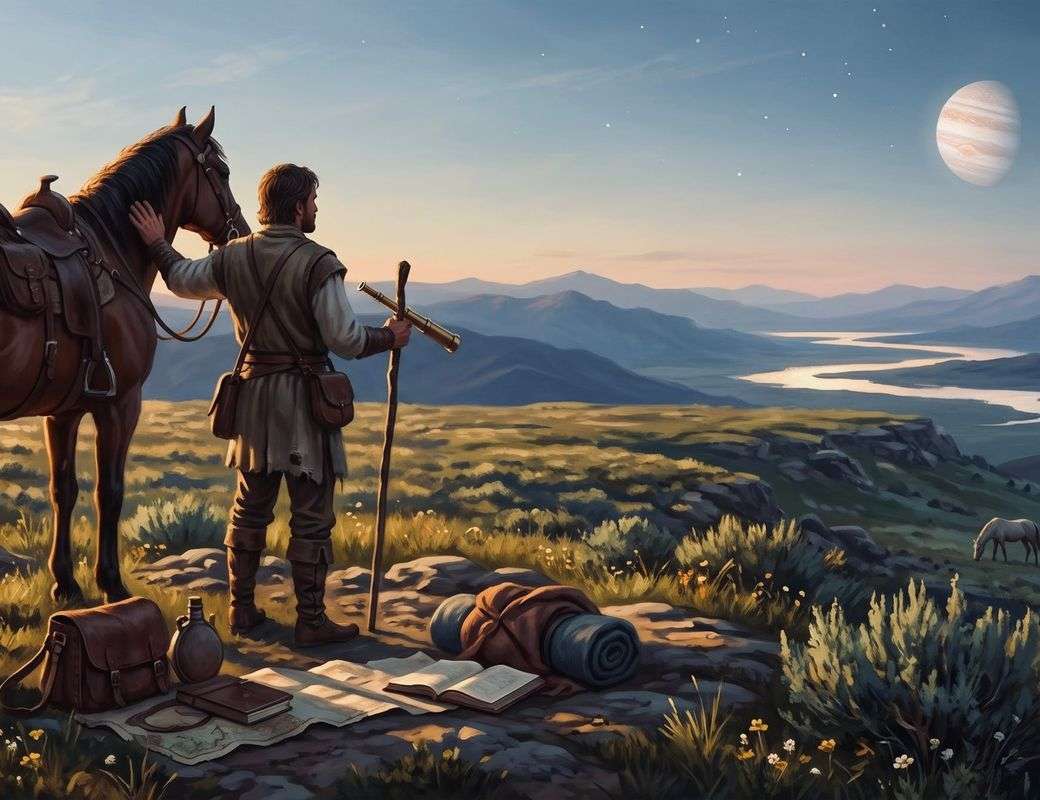
The next day, November 25, at 22:41 UTC, the Sun forms an exact opposition to Uranus. Astronomically, this is the point in the year when Uranus is best placed for observation: it rises as the Sun sets and stays in the sky all night, visible through binoculars or a telescope.
In the constellations, this part of the sky lies in Taurus, near the Pleiades. Gemini is part of the tropical zodiac, which doesn’t line up with the constellations.
Gemini, Sagittarius, and What Might Come Up
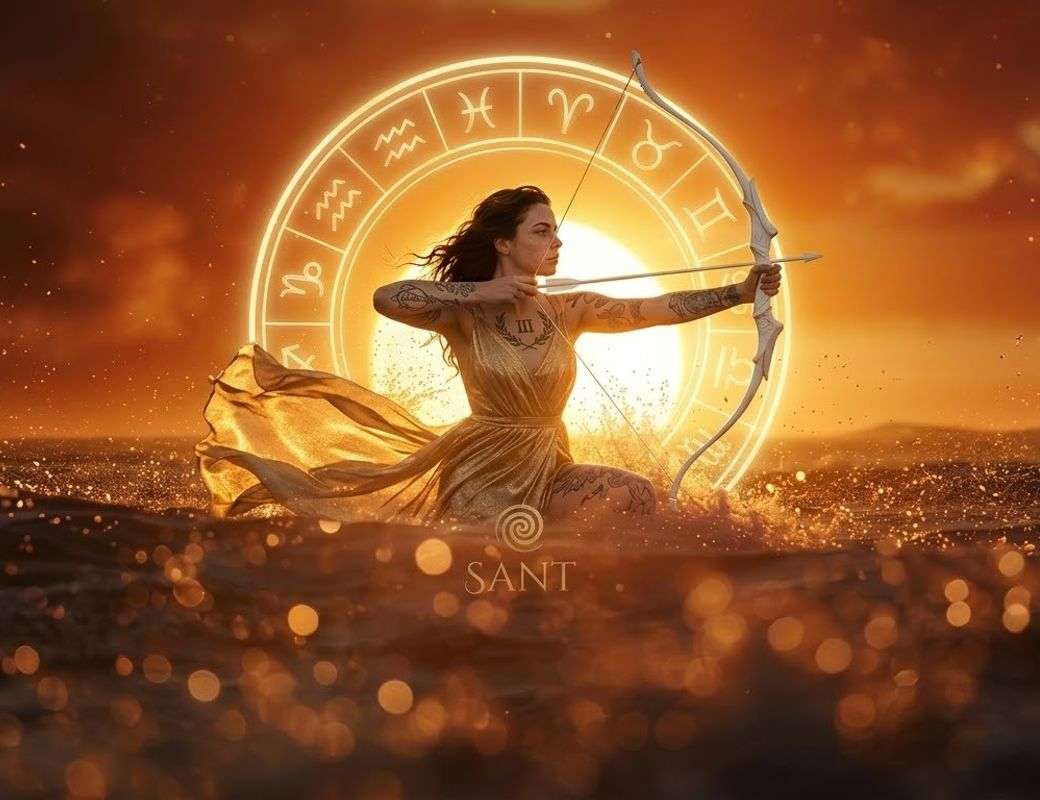
In astrology, the Gemini–Sagittarius axis brings together information and meaning. Gemini gathers information, conversations, and news. Sagittarius looks for the bigger picture that puts them in context. A Full Moon is often seen as the moment when something that has been taking shape since the November 9 New Moon comes into view.
With Uranus beside the Moon, the symbolism often points to surprises: news, a change of mind, or a plan that changes at the last minute. For some people, it may coincide with something like that. For others, nothing special will happen—and that’s part of the picture, too.
What’s Changed Since the New Moon
Since November 9, Mercury and Venus have resumed direct motion, Mars met Jupiter in Leo (November 16), and the Sun entered Sagittarius (November 22). The Full Moon can be a chance to check in: does the intention you set at the New Moon, if you set one, still feel right?
The Esoteric Meaning: Gimel
In the Golden Dawn system, the Moon corresponds to the Hebrew letter Gimel, meaning “camel,” and Major Arcana II, The High Priestess. Gimel’s path is the longest on the Tree of Life: it connects Kether, the Crown, to Tiferet, Beauty. The camel is the animal associated with crossing the desert.
Symbolically, the Full Moon can be seen as a point of passage on a long journey. The cycle of about 29 and a half days, which began at the New Moon, now reaches its brightest point before beginning to wane.
How to Work Symbolically with This Full Moon
Welcome the surprise without reacting right away. If news or an idea comes out of nowhere, write it down before responding. Waiting overnight often makes what seemed urgent clearer.
Revisit your November 9 intention. Keep it, adjust it, or let it go.
Take care of your routine. Uranus is often associated with restlessness. Regular sleep and meal times, along with some screen-free time before bed, help keep you grounded.
Listen to another point of view. Talk with someone who sees the same situation differently, just to listen. Gemini likes questions, while Sagittarius likes perspective.
Look up at the sky. If the weather allows, watch the Moon rise. Near the horizon, it looks larger because of an effect of perception.
Reflection
Many changes we notice at a Full Moon were already taking shape beforehand. The lunation shines a light on what was already underway. One question that can help: what was already changing before I noticed?
What conversation, idea, or plan has changed shape in recent weeks without you putting a name to it?
When something comes as a surprise, it’s worth asking what was already changing before it came to light.
Responses
No responses yet — start the conversation.