Seasonal Celebrations
Article · 2 min read
Throughout history, humans have marked the passage of time through the celebration of seasons. These seasonal celebrations have roots in various cultures and traditions, serving not only as a way to honor the natural world but also to create a sense of community and belonging.
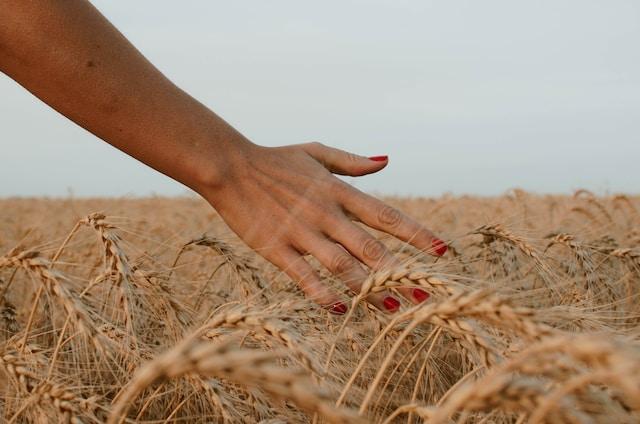
In agrarian societies, seasonal celebrations were closely tied to the cycles of planting and harvest. They provided a much needed break from labor and an opportunity to feast and give thanks for the year's bounty. Events like the Spring Equinox, the Summer Solstice, the Autumnal Equinox, and the Winter Solstice have been observed in different forms across cultures, from the Celtic traditions of Beltane and Samhain to the Chinese Moon Festival and beyond.
Modern life may have moved many of us away from the fields and into offices, yet the need for communal celebration remains. For example, Christmas and Thanksgiving, though predominantly considered religious and historical celebrations, carry hints of seasonal festivities in their focus on togetherness and thankfulness. There's also a renewed interest in older, more traditional forms of celebration, as evidenced by the growing popularity of festivals like Mabon and Ostara in contemporary Pagan communities.
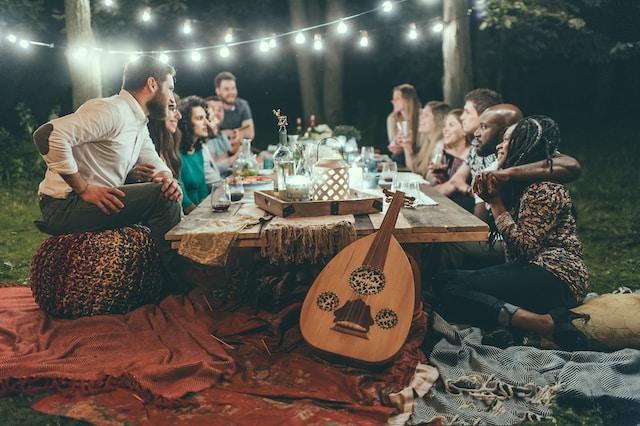
While the methods of celebration may have evolved, the core themes—gratitude, renewal, community, and a deep respect for the natural world—remain consistent. Seasonal celebrations continue to offer a window into the values and beliefs of cultures past and present, acting as a connective thread in the tapestry of human experience.
So whether you're throwing rice at the Spring Equinox, lighting a bonfire for the Summer Solstice, gathering apples at the Autumnal Equinox, or sharing stories around the fireplace during the Winter Solstice, remember that these traditions are a part of a long-standing global heritage. They remind us of our intrinsic connection to the Earth and to each other.
What's the importance of seasonal celebrations in your culture? Do you see a resurgence of interest in traditional celebrations of the seasons?
Comments