Modern Paganism's Rise
Article · 2 min read

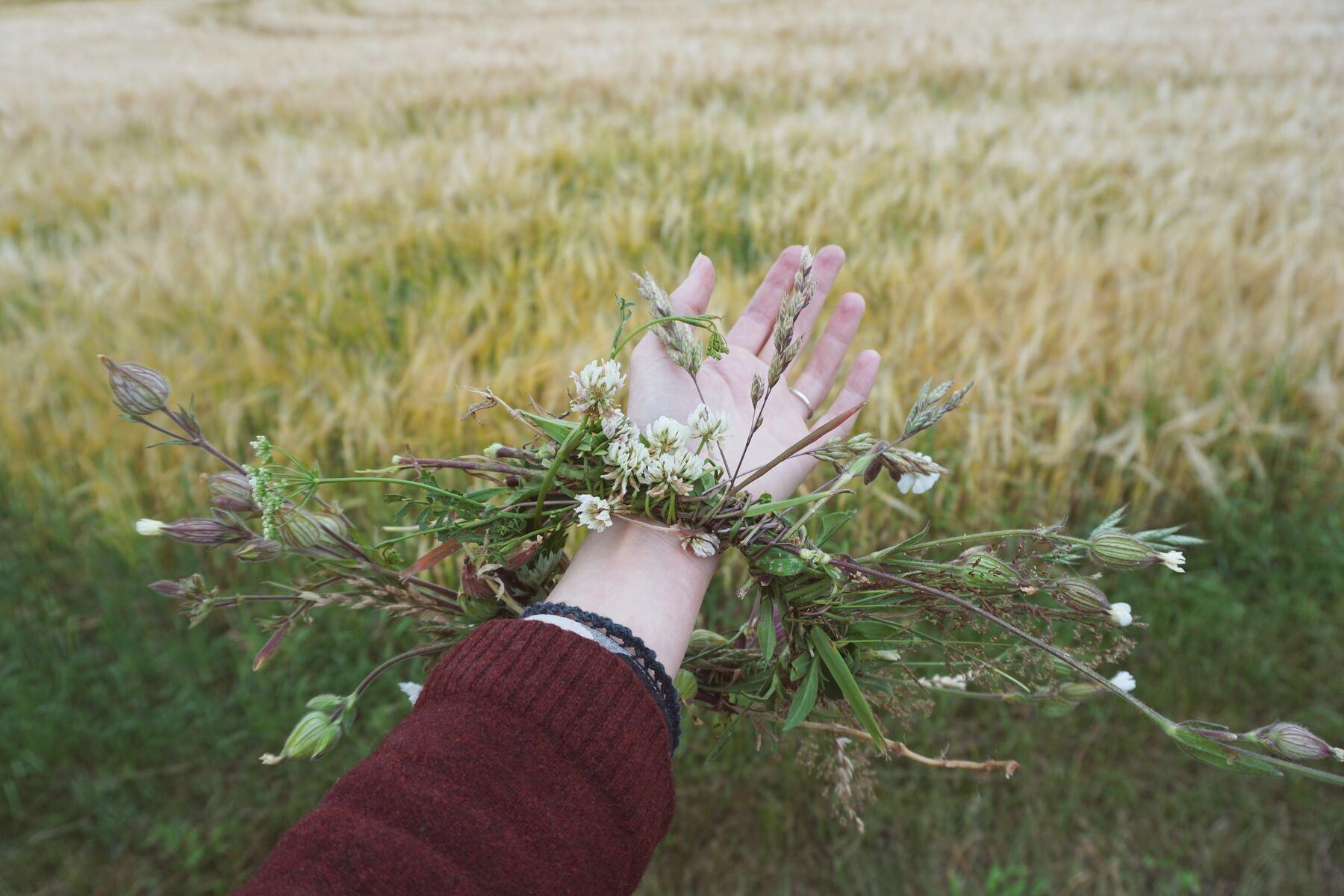
In an age dominated by organized religions and secular thought, the rise of modern Paganism stands as a fascinating counterpoint. Paganism, often defined as a collection of spiritual practices that honor the natural world and often polytheistic deities, has found a new life in modern times. With a focus on Earth-centered spirituality, individualism, and a rich tapestry of gods and goddesses, modern Paganism appeals to those looking for more flexible, eclectic spiritual experiences.
The roots of modern paganism
The term «Paganism» originates from the Latin «paganus,» initially used to describe rural, rustic individuals. Over time, the term evolved to identify those who held polytheistic beliefs in contrast to the monotheistic doctrines. Modern Paganism draws inspiration from these pre-Christian spiritual traditions, often incorporating elements of ancient Celtic, Norse, or Greco-Roman practices.
Wicca: The Forefront of Modern Paganism
Perhaps the most well-known modern Pagan movement, Wicca emerged in the early-to-mid 20th century. Gerald Gardner, often referred to as the «father of Wicca,» played a pivotal role in popularizing the movement. Wiccans typically honor a dualistic divine structure, worshipping both a god and a goddess. Sabbats, or seasonal festivals like Samhain and Beltane, are central to Wiccan practice.
Druidry: An Earth-Centric Path
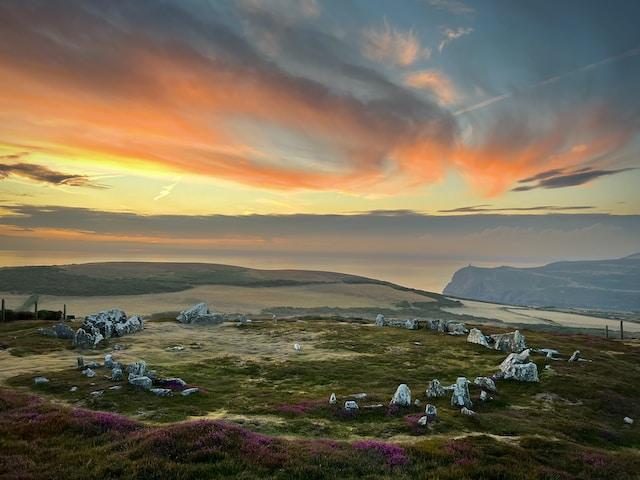
Drawing inspiration from the ancient Celtic Druids, modern Druidry places a strong emphasis on the reverence for nature. Practitioners often gather in groves and stone circles, drawing parallels to the sacred sites of their ancient counterparts. Druidry, like Wicca, celebrates the cycles of nature but often incorporates more of a focus on bardic arts like storytelling, music, and poetry.
Heathenry and Asatru: Norse Revival
Heathenry and Asatru are revivalist movements that draw from ancient Norse mythology and traditions. These practices honor the pantheon of Norse gods like Odin, Thor, and Freyja and have a strong community focus, often gathering in «kindreds» to perform rituals and blóts (sacrificial offerings).
Solitary Practitioners: The Eclectic Path
Modern Paganism also has room for solitary practitioners who blend various traditions to suit individual preferences. These eclectic Pagans may combine Wiccan spellwork with Druidic nature reverence and Norse gods, creating a personalized spiritual practice.
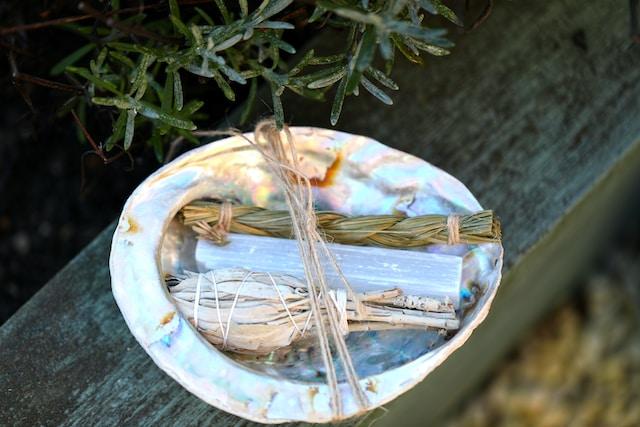
Modern Paganism is a vibrant and growing community of faiths that offer a unique blend of the old and the new. In an increasingly complex world, the primal, nature-focused practices of Pagan traditions offer spiritual sustenance to a diverse and expanding following. Whether in covens, groves, or solitary practice, modern Pagans are forging a new spiritual path that pays homage to ancient wisdom while adapting to contemporary needs.
Is modern Paganism empowering for you? And what else would you like to know about modern paganism?
Comments