Psychology and Tarot
Article · 2 min read
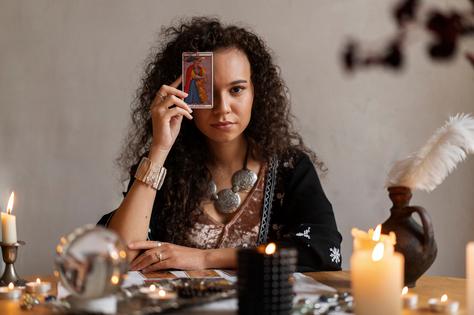
Tarot offers a unique perspective on the human psyche and the exploration of the unconscious. This journey into the world of psychology and Tarot begins with a nod to the renowned Swiss psychologist, Carl Gustav Jung, who acknowledged the profound connection between these two realms.
Jung's Encounter with Tarot
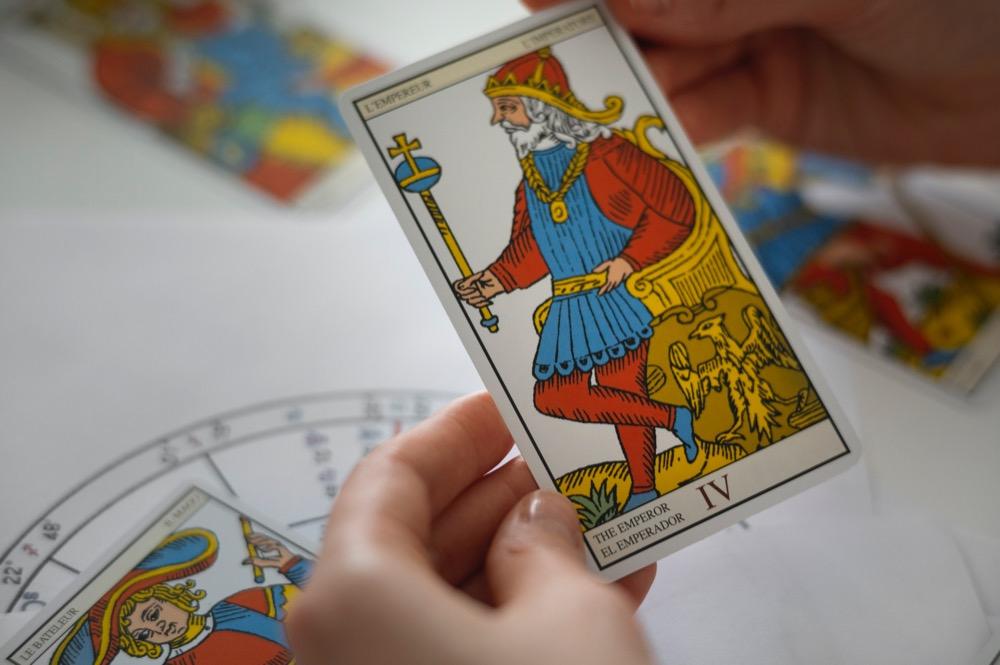
Carl Jung's encounters with Tarot are notable, as he frequently mentioned Tarot cards in his letters and lectures. To Jung, these enigmatic cards served as a bridge to the collective unconscious—a realm of ancestral experiences woven into the fabric of humanity. The Tarot's images and symbols, such as the Hanged Man, the Tower, and the Sun, held the keys to archetypal ideas that resonated with the human psyche. These symbols evoked connections with primordial qualities deeply embedded in our primitive minds, representing figures like the wise father, the nurturing mother, and the formidable shadow. These archetypes are prevalent not only in Tarot but also in folklore, mythology, literature, and art, where they often manifest as characters battling apparent villains, symbolic of inner struggles and personal growth.
Tarot as a Tool for Self-Exploration
Jung's insights paved the way for a deeper understanding of Tarot as a psychological tool for self-exploration. The Tarot's ambiguous and symbolic imagery aligns with the principles of projective testing used in psychology. While Tarot does not function exactly like traditional psychological tests, it shares a common thread—it unveils hidden aspects of the psyche, allowing individuals to explore their inner worlds in a novel way.
The Therapeutic Potential of Tarot Cards
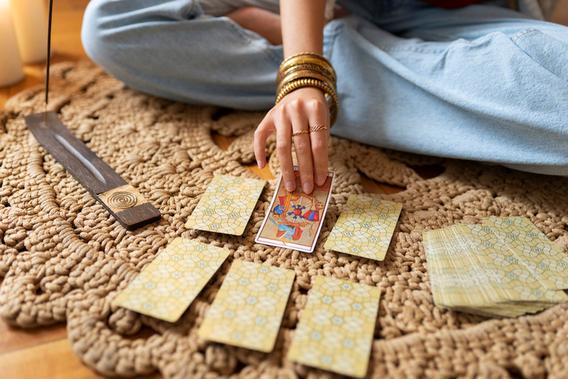
Here are four ways in which Tarot cards can play a therapeutic role in psychology:
-
Offering New Perspectives: Tarot has a unique ability to shed light on stalemate situations by revealing possibilities that might be obscured. It breaks through our blind spots, offering fresh insights when we are stuck.
-
Harnessing the Power of Metaphor: Metaphors are powerful tools in psychology, as they make complex experiences more tangible. Tarot cards are rich in metaphors, allowing individuals to grasp their circumstances and emotions from fresh angles.
-
Facilitating Expression: Many struggle to articulate their inner experiences, either due to overwhelming emotions or the fear of judgment. Tarot cards provide a non-verbal medium for individuals to express and explore their inner turmoil, making it more accessible.
-
Universality and Neutrality: The symbols and themes within Tarot cards are universal, transcending cultural, religious, and philosophical boundaries. This neutrality allows individuals to interpret the cards through their unique lenses, aligning with their personal worldviews and beliefs.
In Conclusion
The fusion of psychology and Tarot unravels a fascinating tapestry of self-discovery and therapeutic potential. Just as Jung delved into the depths of the human psyche, Tarot invites individuals to embark on their inner journeys. It offers a mirror to the unconscious, a pathway to self-reflection, and a tool for personal growth. While not a substitute for professional psychological guidance, Tarot can complement traditional therapeutic approaches, providing a holistic perspective on the complex landscape of the human mind.
Comments