Learning The Rider-Waite Tarot
Article · 3 min read
The Rider-Waite Tarot is often considered to be one of the most accessible and easy-to-understand tarot decks. This makes it a great choice for beginners or those who are just starting to explore the world of tarot.
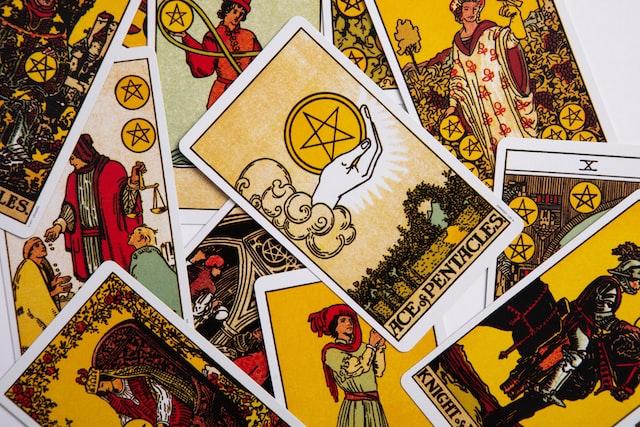
The deck was first published in 1910. It is one of the most widely used and recognizable tarot decks, featuring 78 cards with symbolic illustrations that are used for divination, self-reflection, and spiritual guidance. The deck was created by artist Pamela Colman Smith and occultist Arthur Edward Waite, and it is known for its influential imagery and use of elemental symbolism.
People like this deck for a variety of reasons. And the main of it, of course, it’s it symbolism, which can provide a deep and meaningful reading for those who use it. Also, The Rider-Waite Tarot has had a significant influence on the development of tarot as a tool for divination and self-reflection. As such, many people are drawn to it because of its historical and cultural significance.
The visual symbolism
The visual symbolism of The Rider-Waite Tarot is an important aspect of the deck's meaning and interpretation.
Here are some examples of the visual symbolism used in the deck:
-
Colors: The colors used in the cards can have significant meaning. For example, the color red often represents passion, while blue can represent calmness or spirituality.
-
Numerology: The numbers on the cards can be significant, with each number having a specific meaning. For example, the number three is regularly associated with creativity and growth.
-
Figures: The figures in the cards can convey a wide range of emotions and ideas. For example, The Fool is frequently depicted as carefree and adventurous, while The Magician is shown as powerful and in control.
-
Animals: Many of the cards feature animals, such as the lion on The Strength card or the dog on The Fool. These animals can represent different qualities or traits, such as strength or loyalty.
-
Objects: The objects in the cards can also have significant meaning. For example, The High Priestess is typically shown holding a book, which can represent knowledge or wisdom.
-
Positioning: The positioning of figures and objects in the cards can also convey important information. For example, a figure facing left may represent the past, while a figure facing right may represent the future.
Overall, the visual symbolism of The Rider-Waite Tarot is meant to be evocative and rich in meaning, allowing the reader to draw upon a wide range of concepts and ideas to gain insight and understanding.

How to work with the deck?
Working with The Rider-Waite Tarot involves learning the meanings of the cards, understanding how to interpret them, and developing a personal connection with the deck.
Here are some steps to help you get started:
-
Learn the meanings: The first step is to familiarize yourself with the meanings of the cards. You can study the meaning of the cards directly in the app – in Astrology → Tarot section.
-
Practice reading: Start practicing with the cards by doing readings for yourself and others. It's essential to approach the cards with an open mind and to allow your intuition to guide you.
-
Develop a personal connection: Spend time with the cards, meditating on the images and meanings. This can help you develop a personal connection with the deck and deepen your understanding of the cards.
-
Use spreads: There are many spreads that you can use with The Rider-Waite Tarot, ranging from simple one-card readings to more complex spreads. Experiment with different spreads to see what works best for you.
-
Reflect on your readings: After doing a reading, take some time to reflect on what the cards have revealed. This can help you gain a deeper understanding of yourself and the situation you are in.
Remember that working with The Rider-Waite Tarot is a personal journey, and there is no right or wrong way to use the deck. The most important thing is to approach the cards with an open mind and a willingness to learn and grow.
Comments